Search

Kizárt szavak

Tiltott szavak

  • cialis
  • viagra
  • php
  • sql
  • html
  • https
  • http
  • chr
  • script
  • sex
  • porn
  • sexmassage

Alternatív kifejezések

  • =

61. CseroSajt

Last modification: 2025. November. 26. 11:15

Smoked parenyica, spiced gomolya, sweet whey cream — if you love authentic flavors, you simply must try CseroSajt!

CseroSajt

Találati relevancia adatok

megtalálta: szöveg (1)  | összesen: 1 pont
Tárolt adatok:
cím: CseroSajt
lead: Smoked parenyica, spiced gomolya, sweet whey cream — if you love authentic flavors, you simply must try CseroSajt!
tartalom: + 1 Three cows, two hands, and a story rewritten every morning In a former press house on the Rezi vineyards, it's no longer wine aging, but cheese. Under the hands of Róbert Cserép, smoked parenyica, spiced gomolya cheese, and sweet whey cream are crafted daily. At dawn, while others are still sleeping, Robi is already in the cheese workshop: pasteurizing, curdling, stirring, shaping, smoking, packaging. CseroSajt's story isn’t about an inherited craft passed down through generations — it’s about a bold change, a conscious decision, and a lot of relearning. You can taste the cheeses right on the farm, surrounded by peacefully grazing cows and the rolling hills of Rezi vineyards. From IT Specialist to Cheesemaker Robi used to work in IT, but eventually grew tired of screens and enclosed spaces. Drawn by the tranquility of a nature-based lifestyle and the desire to create with his hands, he turned to cheesemaking. “Every morning, before I start, I stand in front of the workshop. The cows graze quietly, the mist slowly lifts, and on colder days, you can even see their breath. That’s when I know I’m in the right place.” A lifelong resident of Rezi, it was only natural for Robi to start his cheesemaking venture here. He began with just two liters of milk, making cheese as an experiment for his family. Positive feedback quickly showed him that others also appreciated his handcrafted, small-batch cheeses. What started as a passion project has now grown into a business — Robi even has help today. After numerous courses, trials, and failures, he transformed the old press house into a compliant, yet still artisanal, cheese workshop. Its essence, however, remains unchanged: handmade, close to nature, and close to people. Cheese you’ll remember CseroSajt offers fresh plain and spiced gomolya cheeses, along with hand-stretched parenyicas in various flavors. Robi also makes a creamy, sweet whey spread that’s denser and richer than yogurt, offering a unique taste experience. All cheeses are made from gently pasteurized milk, preserving their natural nutritional value. Robi carefully selects his rennet and bacterial cultures, using only natural, additive-free salt. Flavors are thoughtfully chosen: red onion, ham, garlic, wild garlic, sun-dried tomatoes, dried cranberries, chili — all-natural, often homegrown. Parenyica is hand-stretched, shaped, filled, and smoked with beechwood, creating its signature mildly salty, smoky flavor, which has become a hallmark of CseroSajt.  No preservatives, no additives — just honest craftsmanship. No two cheeses are alike At CseroSajt, you’ll never taste two identical cheeses. Variations are part of the charm, born from artisanal methods and nature-friendly animal husbandry. Though Robi follows his trusted recipes, factors like weather and the grass composition the cows graze on can subtly influence the texture and flavor of the cheese. As Robi says: “Cheese is as good as the milk. The milk is as good as the animal. And the animal is as well as it’s cared for.” Currently, three cows graze on Rezi hill: two Magyartarka and one Kárpáti Borzderes, named Rezeda, Pipacs, and Jázmin. We encourage you to taste CseroSajt products and, if possible, visit the farm to see the cheesemaking process up close — and meet the cows too.   Product highlights Parenyica – Hand-stretched, beechwood smoked Did you know parenyica originally comes from Slovak shepherds in the Tatra Mountains? From there, it conquered the world — and today, it’s made right here on Rezi hill. CseroSajt parenyica is crafted from fresh milk, gently pasteurized, then hand-stretched and rolled into shape using traditional methods. The base version is mildly salty, with a firm yet elastic texture, and smoked with beechwood, which imparts a distinctive yet smooth flavor. No preservatives or additives are used — only natural, mineral-rich salt. You can also enjoy parenyica in various flavors: red onion, ham, garlic, wild garlic, sun-dried tomatoes, dried cranberries, and chili. Where to find CseroSajt: 8373 Rezi, Kiscomai Road, Parcel No. 2622 Google Maps More information & Contact: Website Facebook Phone: +36 30 424 7424

Imagine a tropical sea where the dolomitic peaks of the Keszthely Hills now rise. The landscapes we consider timeless are, in fact, fleeting guests on Earth’s ever-changing stage. How does a shallow tropical sea become Hungarian highlands? Why does dolomite crack? And how does this still influence local farming today? Travel back millions of years into a story written in stone.

The Surface: Only Seemingly Permanent

Mountains, plains, islands, seas, rivers, and lakes may appear permanent within a human lifetime — but from Earth’s perspective, they are only temporary scenes. The rocks that form our planet’s surface are constantly in motion. Like the shattered shell of a boiled egg, tectonic plates drift endlessly atop the semi-fluid mantle beneath them.

Some crash together or sink beneath one another to create towering mountain ranges, while others subside, forming deep trenches or basins that may fill with water. That’s how the dolomite and limestone now forming the Keszthely Hills were once deposited — in the shallow waters of an ancient tropical sea, thousands of kilometers from their present location and long since gone.

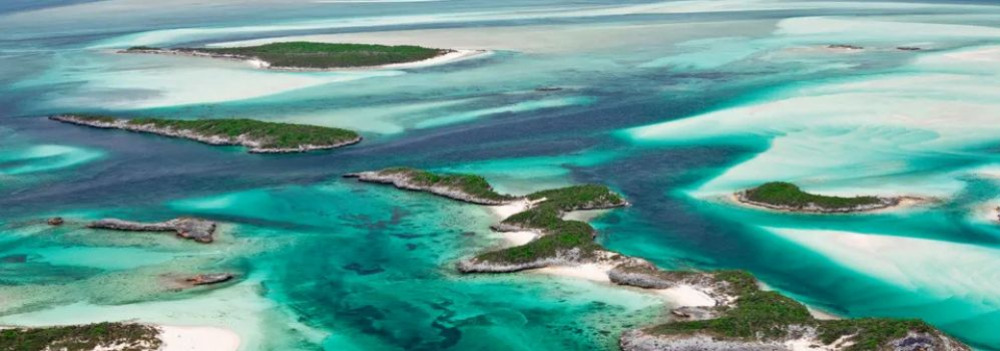
The scene would have resembled the crystal-clear shallows of today’s Bahamian paradise.

Volcanoes in the North, a Tropical Sea to the South

While the northern block of the Keszthely Hills is made of relatively young (a few million years old) volcanic rock, the southern section — including Rezi and Cserszegtomaj — is dominated by much older dolomite, formed in those ancient tropical seas. Alongside widespread formations of so-called Main Dolomite, small patches of Rezi Dolomite can also be found — dating back over 200 million years.

The Keszthely Plateau is dissected by a north–south valley system and crisscrossed by micro-tectonic fault lines. Due to the shallow topsoil and varied terrain, more than 70% of the area is forested. Its karst surface experiences year-round water scarcity and has unique ecological features.

The plateau is divided by intermontane basins and bordered by deep tectonic fractures (such as the Hévíz and Ederics faults), making the area seismically sensitive.

Geology and Today’s Land Use

Soils formed on the debris of weathered dolomite provide the natural foundation for land use in the region. Several of our local producers cultivate land along the western edge of the Keszthely Plateau, where farming is defined by the proximity of a highland landscape — a plateau formed of horsts rising 350–440 meters, framed by tectonic fault lines.

[galeria]
title: CseroSajt
description:
címkék:
fókusz kulcsszó:
szinoníma címkék:

62. Dédi nyomában Biogarden

Last modification: 2025. November. 26. 09:43

Homemade delicacies made from sun-ripened, chemical-free vegetables — straight from the pantry.

Találati relevancia adatok

megtalálta: szöveg (1)  | összesen: 1 pont
Tárolt adatok:
cím: Dédi nyomában Biogarden
lead: Homemade delicacies made from sun-ripened, chemical-free vegetables — straight from the pantry.
tartalom: + 1 A pantry experience from Zala Drying herbs on the terrace, ripe tomatoes in the greenhouse, the scent of fresh jam in the kitchen — Dédi nyomában Biogarden started as a self-sufficiency project, a lifestyle choice rooted in a close connection to nature. It’s a small homestead where everything is made from what the garden yields, just a little more than you would preserve for yourself. And what will you find on the pantry shelves? Vegetable spreads, pickled vegetables, mixed salads, jams, and syrups for sure. Inspired by tradition Szabina’s family comes from the Bakony region. After living in Pilis, she moved to Zala County in 2022, choosing a new path with gardening at its heart — cultivating 4,000 m² of land. Initially experimenting with bio-intensive vegetable farming, she soon realized her true calling was not large-scale production, but crafting small batches of homestead delicacies with care and joy.The greenhouse, crop rotation, chickens, runner ducks, and composting all reflect her mindful approach to farming. Bio-intensive, chemical-free farming Every section of Szabina’s garden serves a purpose, the result of thoughtful planning. Fixed garden beds and a greenhouse are the core, where she practices regular crop rotation, enriches the soil with compost and mulch, and grows most plants from her own collected seeds, adapted to their environment. She uses well water for irrigation. For pest and disease management, she relies on natural methods: companion planting, insect netting, and biological solutions. Ducks and chickens happily assist by controlling snails and pests — no chemicals involved. Open the pantry & explore Szabina’s products include syrups, jams, dried herbs, pickles, and vegetable spreads — all made in small quantities, available seasonally and in varied selection. The charm of Dédi nyomában Biogarden lies in its simplicity: only as much is produced as the garden and nature provide — and only what Szabina herself enjoys making. While the farm’s name evokes old times, Szabina incorporates modern techniques too. She uses a canning machine to preserve syrups and pickles, ensuring shelf life and efficiency. Jams are made with sugar and gelling agents, while syrups and pickles are preserved without chemical additives, using the canning method. Herbs like lemon balm, mint, lavender, rose, and violet are handpicked, dried, and crushed. Vegetable spreads, pestos, and tomato sauces are always processed fresh — and they tend to sell out quickly!   Product highlights Vegetable spread Dédi nyomában Biogarden’s vegetable spreads are always made from whatever the garden currently yields — zucchini, tomatoes, peppers, or eggplant. What’s guaranteed in every jar is the essence of sun-ripened vegetables. Szabina grows her vegetables chemical-free, hand-harvests, chops, steams, or oven-roasts them, seasons to taste, and blends into a creamy, spreadable texture. Flavors change with the seasons and what’s available in the pantry: wild garlic, garlic, fresh herbs, or a mildly spicy kick. Each batch is unique and delicious. The spreads contain no preservatives or additives and are often produced in very limited quantities — sometimes just a few jars. Where to buy Online Store More information & Contact: Facebook

About 10,000 years ago, rapid climate warming triggered a cascade of natural responses: torrential floods, landslides, and intense rock weathering. The landscape we walk on today was not shaped over mere centuries, but by the dramatic forces of climate and water, working together. Did you know that the Zala Valley floor is made up of sediments deposited by a kind of "river of time"? Discover how the Earth’s surface became one of the most sensitive indicators of climate change.

Climate Change: Not Just a Modern Phenomenon

We often associate climate change with contemporary issues, but Earth’s climate has shifted many times throughout its history — sometimes quite rapidly. Within large-scale climatic cycles, alternating periods of warming and cooling have long been part of the planet’s natural rhythm.

When Climate Changes, Everything Reacts

A change in climate sets off a chain reaction of environmental processes. It’s not just animals and plants that respond — so does the landscape itself.

Around 10,000 years ago, as the climate warmed significantly, rainfall became more intense.

More rain meant more erosion: stormwater began washing away sediment from hills and valleys into riverbeds. The rivers, now carrying more water and more sediment, flooded more often and spread these materials across the landscape.

Shaping the Terrain

This had a major impact on topography: the land surface became more fragmented and dynamic. Warming temperatures also sped up chemical and physical weathering, breaking down bedrock and helping fertile soil layers to develop.
 In short, natural geological processes that had long been underway suddenly accelerated — and reshaped the surface of the land.

Young Sediments at the Base of the Slopes

Today, in many areas of the region, the lower slopes and valley edges are coated with sediment — debris washed down from higher ground, largely within the last 10,000–20,000 years. In the Zala Valley, for instance, these deposits have spread so far that they now reach the center of the valley floor.

The original bedrock source of these sediments varies: in Zala, it’s typically Pannonian sand (Somló Formation), while in the Keszthely Hills, marine-origin carbonates dominate — mostly dolomite, with some limestone. These sediments now appear as fine gravel, pebbles, or coarse sand, quietly recording the environmental changes of the recent past.

[galeria]
title: Dédi nyomában Biogarden
description: Homemade delicacies made from sun-ripened, chemical-free vegetables — straight from the pantry.
címkék:
fókusz kulcsszó:
szinoníma címkék:

63. Emese Cheese Workshop

Last modification: 2025. November. 26. 09:45

High-quality, artisanal goat milk products straight from sunny Cserszegtomaj — available in both savory and sweet varieties. Find your favorite!

Találati relevancia adatok

megtalálta: szöveg (1)  | összesen: 1 pont
Tárolt adatok:
cím: Emese Cheese Workshop
lead: High-quality, artisanal goat milk products straight from sunny Cserszegtomaj — available in both savory and sweet varieties. Find your favorite!
tartalom: + 1 Where happy goats give you cheese, yogurt, and kefir At her small-batch workshop in Cserszegtomaj, Emese Tusz handcrafts cheeses and dairy products without additives, using milk from goats raised on her family farm. What began as a solution to her son’s dietary needs has grown into a beloved craft, allowing many others to enjoy high-quality dairy products again. If you’re looking for clean, pure, and lactose-sensitive-friendly delights — start your tasting journey here. A former German teacher, Emese started experimenting with goat’s milk when her son was diagnosed with dairy protein and lactose intolerance. Her home experiments quickly turned into a passion, then a profession. She completed a two-year dairy processing course in Csermajor and established her own workshop in Cserszegtomaj. Today, her son — who has grown up around goats — also takes part in the daily farm work. For sensitive stomachs and gourmet palates At Emese’s market stall, you’ll find fresh goat cheeses flavored with herbs, aged Jersey cow cheeses, yogurt, kefir, and occasionally butter and cottage cheese — all made with milk from her own farm. Her goat herd currently numbers around 80, with about three-quarters producing milk. All products are made with pasteurized milk, natural rennet, and selected cultures, ensuring a clean, mild flavor with no strong "goaty" taste. Emese cares for her goats with expertise and attention, knowing that healthy, clean animals are key to quality cheese. She uses no additives, flavor enhancers, or preservatives. Each product is made by hand — from shaping the cheese to seasoning it. Emese adapts her recipes daily, responding to the natural variations in milk: “Every day, the milk behaves differently. Its taste, texture, everything changes — you can’t force it into a formula, you have to follow its lead.” Fresh cheeses are often seasoned with smoked paprika or herbs. The yogurt is thick yet silky, while the kefir is light but full-flavored. Aged cheeses offer a deeper, more complex taste profile. Emese also keeps a Jersey cow, whose A2 beta-casein-rich milk broadens her product range — perfect for sensitive customers. Her aged cheeses and limited-edition yogurts often come from this milk, crafted with separate recipes to suit its unique character. Seasonal production Goats naturally begin producing milk after spring births, with milking season typically lasting through autumn. As a result, fresh goat milk products — like cheese, yogurt, and kefir — are only available during certain times of the year. In winter, when the goats rest, production pauses. Only at the market — Always personal You can find Emese’s products exclusively at the Hévíz Farmers’ Market. For her, meeting customers is part of the experience. She loves to talk about her cheeses, her goats, and how everything is made — often sharing pairing tips as well. “If it’s good enough for my son, it’s good enough for anyone.” This simple philosophy sums up what makes Emese’s products so special: they are healthy, natural, delicious — and crafted with honesty, heart, and care.   Product highlights Goat cheeses in a variety of flavors Fresh cheeses, creamy spreads, yogurt, and kefir — all made from milk sourced from Emese’s own goats, crafted with over a decade of experience. Every product is made with pasteurized goat’s milk, natural rennet, and carefully selected cultures. Fresh cheeses are prepared just before market days to guarantee freshness. In addition to plain, natural cheeses, you’ll find exciting flavors: garlic, chili, red onion, fenugreek, chives, and even a dessert cheese with walnuts and cranberries. Emese emphasizes quality and gluten-free safety, using Lukullusz ingredients to ensure her cheeses are safe for gluten-sensitive customers. No additives, no colorings, no preservatives. Smoked varieties are cold-smoked over beechwood, preserving their soft texture and natural aromas. Goat cheese pairs perfectly with a slice of sourdough bread, tossed into a fresh salad, or served alongside crisp apples. Where to buy Hévíz Farmers’ Market More information & Contact: Phone: +36 30 709 3640

The Life-Giving Winds of the Ice Age: How Loess Shaped the Land

Did you know that Transdanubia’s rich, golden soils are actually a gift from the winds of the Ice Age? Loess isn’t just a dry geological term — it’s an ancient natural recipe that gave rise to some of the most fertile soils in the Carpathian Basin. Where vineyards grow today and birds nest in loess cliffs, strong winds once carried yellow dust across the landscape — for thousands of years. Learn how this unique sediment shaped the land and why loess is still essential for sustainable farming today.

What Is Loess and How Did It Form?

The term loess comes from the German word lose, meaning "loose." Loess is a fine-grained, yellowish sediment that was deposited during the Pleistocene epoch (2.58–0.01 million years ago), particularly during glacial periods. It formed in periglacial environments south of the great Scandinavian ice sheet — cold, dry landscapes with little or no vegetation.

The dust was carried by strong Ice Age winds from floodplains and barren steppes, and slowly accumulated over tens of thousands of years. Eventually, calcium carbonate cemented these layers into loess, which developed characteristic vertical fissures.

It’s important to note that the Pleistocene wasn't a single “Ice Age,” but a period that included alternating cold and warm phases — some even warmer than today.

Loess and the Landscape

Loess gave the Carpathian Basin — especially Transdanubia — its distinct terrain.

Steep loess cliffs (sometimes up to 10 meters high), caves that provide nesting sites for bee-eaters and sand martins, centuries-old sunken roads carved into hillsides, and exposed root systems are all part of the landscape’s geological legacy.

Together, they define the unique character of this region — shaped by time, wind, and stone.

Fertility and Water Retention

Loess-rich areas have produced some of the most fertile soils in the region. Many local producers farm on land that sits atop loess. This creates an excellent foundation for agriculture — not just because of the high humus content, but also because loess has outstanding water-holding capacity. Its vertical pores allow moisture to penetrate deeply and remain in the soil, even during dry periods.

A Modern Echo — Dust from the Sahara

Interestingly, the fine Saharan dust that now reaches Central Europe more frequently can be seen as a modern counterpart to loess-forming material. It’s a reminder that the powerful natural forces that shaped the land long ago are still at work today — just on a different scale.

[galeria]
title: Emese Cheese Workshop
description: High-quality, artisanal goat milk products straight from sunny Cserszegtomaj — available in both savory and sweet varieties. Find your favorite!
címkék:
fókusz kulcsszó:
szinoníma címkék:

64. KakasBonbon

Last modification: 2025. November. 26. 10:01

If you’ve never loved chocolate before, KakasBonbon is the place that will change your mind. Just follow the weathercock.

Találati relevancia adatok

megtalálta: szöveg (1)  | összesen: 1 pont
Tárolt adatok:
cím: KakasBonbon
lead: If you’ve never loved chocolate before, KakasBonbon is the place that will change your mind. Just follow the weathercock.
tartalom: + 1 A treat for all your senses You might not expect a magical chocolate experience among the rolling hills of Zala near Lake Balaton — but it’s true! At KakasBonbon in Felsőpáhok, every bonbon transports you to distant lands while celebrating local flavors. The chocolate shell gently cracks, the filling melts in your mouth. Everything you need for an unforgettable tasting. The story of the weathercock & chocolate The story of KakasBonbon began over 15 years ago when János Szabó and Andrea Tésenyi left their old lives behind and found a new calling in chocolate-making. The iconic weathercock originally perched atop a farmhouse in Máriagyűd, now serves as their symbol and guide in the world of chocolate. The family’s journey took them from Máriagyűd to Sopron, and finally to Felsőpáhok — much to the delight of locals and visitors alike. Today, their workshop and “bonbon apothecary” welcome chocolate lovers from near and far. A special gift for pairing flavors Andrea is the creative force behind the chocolates. Beyond mastering the craft, she possesses a refined sense for pairing flavors and designing memorable forms. For her, making bonbons is less a job and more a form of meditation. Prunes, pumpkin seed & apple, yuzu — and more KakasBonbon offers over 70 flavors, though not all are available year-round. The selection changes with the seasons, ensuring every bonbon is fresh and its aromas at their peak. In harvest season, grape flavors take the spotlight. Winter brings rich cocoa creations, while summer features citrus and berries. Andrea also crafts milk and dark chocolate bars, hot chocolate bombs, and festive shapes for special occasions. All chocolates share the same pure foundation: select single-origin cacao beans, cream (or a lactose-free alternative), and natural fruit or spice essences. The cacao is sourced from diverse regions — Italy, France, Spain, Vietnam, South America — while the fillings highlight local ingredients. Their recipes are clean and simple, as are their elegant decorations. Visit the weathercock in Felsőpáhok! At their Felsőpáhok home, you’ll find a shop, workshop, terrace, and cellar — a perfect setting to taste their creations and meet the makers. You can also join Bor & Bonbon events, where chocolates are paired with carefully selected wines, creating either a delightful evening or an extraordinary journey of flavors.   Product highlights Hazelnut KakasBonbon Chocolate Bar This artisan chocolate bar features roasted hazelnuts from Cserszegtomaji Finomságok — carefully selected and small-batch roasted for an authentic, rich flavor. Andrea hand-tempers single-origin chocolate and pours it into molds with practiced precision. Thanks to its high cacao content, this bar is not only delicious but also beneficial for your health, rich in flavonoids and antioxidants. In this chocolate bar, two worlds meet in perfect harmony: locally grown hazelnuts from the Zala hills and premium cacao beans sourced from thousands of kilometers away. Where to buy 8395 Felsőpáhok, Dózsa Street 3 Google Maps More Information & Contact: Instagram: @kakasbonbon66 Facebook Website Phone: +36 70 608 2013

Imagine a vast body of water — over 1,000 meters deep and more than 400 times the size of Lake Balaton — once rippling across this land. The story of the Pannonian Lake is not just a fascinating chapter of geological history, but a legacy that continues to shape the region: it left behind mineral resources, fertile soils, and even inspired legends. Discover how an ancient lake transformed Transdanubia — and why its impact is still felt today.

An Inland Sea for Millions of Years

At its greatest extent, the Pannonian Lake covered an enormous area, far surpassing the size of today’s Balaton. For millions of years (approximately 12 to 8.5 million years ago), it dominated the region. As surrounding mountain ranges gradually rose, the lake became cut off from the world’s oceans. Its water slowly turned fresh, and its basin began to fill with sediments. Because of its isolation, the lake developed a unique ecosystem with many endemic species.

The Lake Didn’t Appear Overnight

The Pannonian Lake didn’t simply “appear” in the Carpathian Basin. Its formation was the result of millions of years of tectonic activity and shifting climate. It emerged as an independent, enclosed body of water — no longer connected to the open seas.

Deep Waters, Varied Shores

In some areas, the lake reached depths of over 1,000 meters. Elsewhere, shallower zones supported lagoons, river deltas, and small, isolated lakes. During high water periods, rocky shorelines formed along the mountain fringes — traces of which can still be found today in the Keszthely Hills and the Mecsek Mountains.

The Lake’s Retreat — and Sediment Legacy

Despite its size, the lake was eventually filled in by immense volumes of sediment, carried mainly by rivers flowing from the Alps and the Carpathians. Over the course of 6.5 million years, it gradually disappeared from the landscape.

What did it leave behind?

Its sediments — composed mostly of sand, clay, and fine silt — became the so-called “Pannonian formations,” which today hold key mineral resources (such as petroleum) and aquifers. These formations define much of the surface geology of Transdanubia, including the Zala Hills.

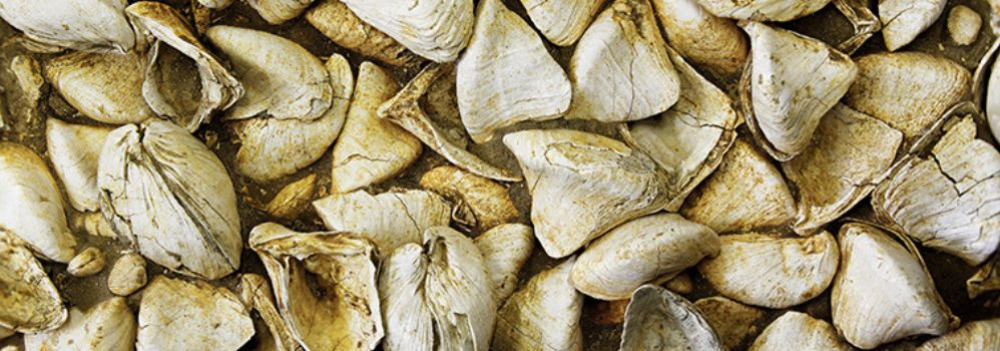
Fertile soils later formed on the laminated silty and clay-rich deposits of the Somló Formation. Even the legendary “Tihany goat’s hoof” fossils — actually worn shell fragments of the Congeria ungulacaprae mollusk — can still be found embedded in these ancient layers.

The Final Lakes and a Gradual Goodbye

Because most of the sediment entered from the northwest, north, and northeast, the lake slowly retreated toward the south and southeast — as if it were “withdrawing” from what is now Hungary.

Small remnant lakes persisted for much longer in areas of present-day Slavonia (Croatia) and northern Serbia, but due to their different scale, character, and fauna, they are not considered true successors of the ancient Pannonian Lake.
[galeria]
title: KakasBonbon
description: If you’ve never loved chocolate before, KakasBonbon is the place that will change your mind. Just follow the weathercock.
címkék:
fókusz kulcsszó:
szinoníma címkék:

65. Kakukkfű Lodge

Last modification: 2025. November. 26. 10:28

At Kakukkfű Lodge you can taste jams, vinegars, syrups and get back to nature through the adventure programs.

Találati relevancia adatok

megtalálta: szöveg (1)  | összesen: 1 pont
Tárolt adatok:
cím: Kakukkfű Lodge
lead: At Kakukkfű Lodge you can taste jams, vinegars, syrups and get back to nature through the adventure programs.
tartalom: + 1 Kakukkfű Porta – The Mecca of Medicinal Herbs Magdolna Pohl Wágenhofer – mother of three, phytotherapist and naturopath – passes on her healing knowledge and experience, wrapped into bottles and unforgettable moments, to all those who wish to reconnect with nature. Connecting with nature and using medicinal herbs is a way of life for her, shaped since childhood. She has been surrounded by the world of herbs from an early age and later complemented her practical knowledge with professional training. In the early 2000s, she turned her focus more seriously toward herbs – consciously relearning everything she had instinctively absorbed as a child. She completed several courses, earning qualifications as a phytotherapist and naturopath. Two Locations, One Mission Kakukkfű Porta operates in two locations. The production site is in Karmacs, where herbs and fruits are grown in the garden, and processing also takes place here. The showroom and point of sale, however, are located in Gyenesdiás, at the Festetics Herbarium and Watermill. It is open during visiting hours, or you can take part in various workshops and programmes. At the Herbarium, you can enjoy a refreshing lemonade or a warming herbal tea, explore the demonstration herb garden and, of course, purchase products from Kakukkfű Porta. From Nature to the Jar The product selection includes herbal syrups, jams, vinegars and teas. All products are made from home-grown or wild-harvested ingredients, following the seasons, using traditional methods without additives or preservatives. Syrups: More than 13 types of herbal syrups are produced, including lavender, thyme, lemon balm and ribwort plantain – prepared by cold infusion to gently preserve active ingredients. Among the special flavours, rosehip and elderflower versions stand out. Jams & preserves: A wide variety of fruits are used, often combined with herbs. All jams are prepared traditionally, with little sugar and slow cooking to retain flavours and active compounds. Teas: The range includes therapeutic blends as well as single-herb teas, from home remedy use to daily wellbeing. Vinegars: The herb vinegars are made from apples using traditional methods, with apples sourced from the farm itself. Experience Programmes & Herb Tourism Kakukkfű Porta is also an idyllic experience venue. If you are interested in the world of herbs, you can take part in tastings, garden tours, children's activities and syrup & jam-making workshops. You can also learn about the history of the Diás Watermill and walk along the short educational trail starting from the St. John’s Spring. Product Information Treasure of Autumn Jam “Treasure of Autumn” is a warming delicacy created from the harmony of three autumn fruits – apple, pear and quince. The jam is slowly cooked using traditional methods and flavoured only with a little sugar and spices (cinnamon, cloves), preserving the characteristic taste of the fruits. Prepared free from additives, preservatives and flavour enhancers – just like in grandma’s kitchen. The jam is not only delicious but also acts as a healing preserve: warming and soothing, perfect for autumn and winter mornings on toast or even spooned into pastries. Apple Cider Vinegar Kakukkfű Porta’s apple cider vinegar is traditionally matured, made exclusively from selected apples using natural fermentation. It contains no preservatives or artificial additives – only pure, living ingredients. Apple cider vinegar is well-known for its health benefits: it aids digestion, suppresses appetite, lowers blood sugar, reduces inflammation and has a mild antiseptic effect. Recommended for daily use: one spoon dissolved in lukewarm water on an empty stomach, or added to salads.   Kakukkfű Porta can be found at: Gyenesdiás, Festetics Herbarium and Watermill Google Maps Further information and contact: Facebook Website Phone: +36 20 348 6368

About 10,000 years ago, rapid climate warming triggered a cascade of natural responses: torrential floods, landslides, and intense rock weathering. The landscape we walk on today was not shaped over mere centuries, but by the dramatic forces of climate and water, working together. Did you know that the Zala Valley floor is made up of sediments deposited by a kind of "river of time"? Discover how the Earth’s surface became one of the most sensitive indicators of climate change.

Climate Change: Not Just a Modern Phenomenon

We often associate climate change with contemporary issues, but Earth’s climate has shifted many times throughout its history — sometimes quite rapidly. Within large-scale climatic cycles, alternating periods of warming and cooling have long been part of the planet’s natural rhythm.

When Climate Changes, Everything Reacts

A change in climate sets off a chain reaction of environmental processes. It’s not just animals and plants that respond — so does the landscape itself.

Around 10,000 years ago, as the climate warmed significantly, rainfall became more intense.

More rain meant more erosion: stormwater began washing away sediment from hills and valleys into riverbeds. The rivers, now carrying more water and more sediment, flooded more often and spread these materials across the landscape.

Shaping the Terrain

This had a major impact on topography: the land surface became more fragmented and dynamic. Warming temperatures also sped up chemical and physical weathering, breaking down bedrock and helping fertile soil layers to develop.
 In short, natural geological processes that had long been underway suddenly accelerated — and reshaped the surface of the land.

Young Sediments at the Base of the Slopes

Today, in many areas of the region, the lower slopes and valley edges are coated with sediment — debris washed down from higher ground, largely within the last 10,000–20,000 years. In the Zala Valley, for instance, these deposits have spread so far that they now reach the center of the valley floor.

The original bedrock source of these sediments varies: in Zala, it’s typically Pannonian sand (Somló Formation), while in the Keszthely Hills, marine-origin carbonates dominate — mostly dolomite, with some limestone. These sediments now appear as fine gravel, pebbles, or coarse sand, quietly recording the environmental changes of the recent past.

[galeria]
title: Kakukkfű Lodge
description: At Kakukkfű Lodge you can taste jams, vinegars, syrups and get back to nature through the adventure programs.
címkék:
fókusz kulcsszó:
szinoníma címkék:

66. MézÉdes Műhely

Last modification: 2025. November. 26. 10:36

Crumbly, fragrant, and spiced — MézÉdes Műhely’s honey gingerbread cookies bring back childhood memories, grandma’s kitchen, and the festive spirit with every bite.

Találati relevancia adatok

megtalálta: szöveg (1)  | összesen: 1 pont
Tárolt adatok:
cím: MézÉdes Műhely
lead: Crumbly, fragrant, and spiced — MézÉdes Műhely’s honey gingerbread cookies bring back childhood memories, grandma’s kitchen, and the festive spirit with every bite.
tartalom: + 1 The sweetest form of love: a perfectly baked pastry Have you ever tasted a honey gingerbread cookie that melts in your mouth? MézÉdes Műhely’s signature product has gained nationwide recognition thanks to its perfect texture and secret spice blend. Come and discover the delightful treats crafted in the fragrant kitchen of MézÉdes Műhely! When two passions meet Adorjánné Baráth Mónika and her daughter, Adorján Bori, once ran a family restaurant. Over time, Bori found herself more and more drawn to dessert-making. Inspired by guests’ feedback and her own love of baking, she completed pastry school, combining professional expertise with artisan methods. Mónika, however, mastered homestyle baking at home, delighting her family daily with sweet “tészták” — as pastries are affectionately called in Zala. Their first large-scale order came from a hotel in Hévíz for edible Christmas gifts. Instead of gingerbread, they revived an old family recipe: honey gingerbread cookies. During the pandemic, as the restaurant industry paused, the growing success of their gingerbread led them to a new path. The family closed their restaurant and founded MézÉdes Műhely — not as a traditional pastry shop, but as a creative workshop where they could bake without compromises, at their own rhythm. Modern cakes & traditional pastries Today, everyone has their own specialty at MézÉdes Műhely. Bori is the master of modern cakes, tarts, macarons, and custom orders, while her mother Mónika focuses on traditional pastries — layered honey cakes, cream slices, flódni, and zserbó. Many recipes are cherished family heirlooms, passed down from great-grandmothers, aunts, and grandmothers, now adapted to their own taste. Each dessert includes a personal twist — making it homely, unique, and unmistakably MézÉdes. Honey gingerbread cookies that spark sweet memories MézÉdes Műhely’s honey gingerbread cookies are a nostalgic journey, evoking the warmth of grandma’s kitchen and the comforting aroma of Christmas spices. Coated in a white sugar glaze, these cookies delight not just with their appearance, but with their taste and texture. Each bite melts gently in your mouth. The secret lies in their custom-made spice blend of eight aromatic spices. The honey, sourced from a local beekeeper in Gyenesdiás, ensures an authentic, rich flavor. Mónika and Bori enjoy experimenting with new flavors. A recent innovation is their wholegrain version, made with spelt and wheat flour. One of their summer favorites is lavender-flavored gingerbread, made with lavender grown, harvested, and dried from their own garden. Not a pastry shop — A family atelier MézÉdes Műhely is not a conventional pastry shop. Their sweets are made to order and sold at the Hévíz Farmers’ Market. Personal interactions — whether through market tastings or scheduled visits — are an essential part of their philosophy.   Product highlights Honey gingerbread cookies MézÉdes Műhely’s flagship product, the honey gingerbread cookie, comes in a variety of flavors. The dough is dense yet soft, melting instantly in the mouth — no need to wait days for it to soften. The perfect texture is achieved using a traditional recipe: flour, sugar, margarine, eggs, sour cream, baking soda, and a secret spice blend of eight ingredients. Each cookie is hand-rolled, placed individually on baking trays, and, after baking, dipped by hand into sugar glaze. They are then carefully lined up to dry — every piece crafted with care. Flavors include both classic and unique variations: plain, plum-rum, cranberry, candied orange, ginger (without glaze), cocoa with chocolate chips, and seasonal lavender. The lavender used in summer varieties blooms every June in the workshop’s garden.   Where to buy: Hévíz Farmers’ Market 8380 Hévíz, Egregyi Vineyard 38 Google Maps More information & Contact: Facebook Phone: +36 30 658 6739

Imagine a vast body of water — over 1,000 meters deep and more than 400 times the size of Lake Balaton — once rippling across this land. The story of the Pannonian Lake is not just a fascinating chapter of geological history, but a legacy that continues to shape the region: it left behind mineral resources, fertile soils, and even inspired legends. Discover how an ancient lake transformed Transdanubia — and why its impact is still felt today.

An Inland Sea for Millions of Years

At its greatest extent, the Pannonian Lake covered an enormous area, far surpassing the size of today’s Balaton. For millions of years (approximately 12 to 8.5 million years ago), it dominated the region. As surrounding mountain ranges gradually rose, the lake became cut off from the world’s oceans. Its water slowly turned fresh, and its basin began to fill with sediments. Because of its isolation, the lake developed a unique ecosystem with many endemic species.

The Lake Didn’t Appear Overnight

The Pannonian Lake didn’t simply “appear” in the Carpathian Basin. Its formation was the result of millions of years of tectonic activity and shifting climate. It emerged as an independent, enclosed body of water — no longer connected to the open seas.

Deep Waters, Varied Shores

In some areas, the lake reached depths of over 1,000 meters. Elsewhere, shallower zones supported lagoons, river deltas, and small, isolated lakes. During high water periods, rocky shorelines formed along the mountain fringes — traces of which can still be found today in the Keszthely Hills and the Mecsek Mountains.

The Lake’s Retreat — and Sediment Legacy

Despite its size, the lake was eventually filled in by immense volumes of sediment, carried mainly by rivers flowing from the Alps and the Carpathians. Over the course of 6.5 million years, it gradually disappeared from the landscape.

What did it leave behind?

Its sediments — composed mostly of sand, clay, and fine silt — became the so-called “Pannonian formations,” which today hold key mineral resources (such as petroleum) and aquifers. These formations define much of the surface geology of Transdanubia, including the Zala Hills.

Fertile soils later formed on the laminated silty and clay-rich deposits of the Somló Formation. Even the legendary “Tihany goat’s hoof” fossils — actually worn shell fragments of the Congeria ungulacaprae mollusk — can still be found embedded in these ancient layers.

The Final Lakes and a Gradual Goodbye

Because most of the sediment entered from the northwest, north, and northeast, the lake slowly retreated toward the south and southeast — as if it were “withdrawing” from what is now Hungary.

Small remnant lakes persisted for much longer in areas of present-day Slavonia (Croatia) and northern Serbia, but due to their different scale, character, and fauna, they are not considered true successors of the ancient Pannonian Lake.

[galeria]
title: MézÉdes Műhely
description: Crumbly, fragrant, and spiced — MézÉdes Műhely’s honey gingerbread cookies bring back childhood memories, grandma’s kitchen, and the festive spirit with every bite.
címkék:
fókusz kulcsszó:
szinoníma címkék:

67. Osgyán Mustard

Last modification: 2025. November. 26. 10:38

Bold flavors, daring spices — mustard like you’ve never tasted before.

Találati relevancia adatok

megtalálta: szöveg (1)  | összesen: 1 pont
Tárolt adatok:
cím: Osgyán Mustard
lead: Bold flavors, daring spices — mustard like you’ve never tasted before.
tartalom: + 1 A symphony of flavors in every jar Handcrafted mustard, grown in Hungary In Hungary, only a handful of producers make mustard from locally grown seeds. Osgyán Mustard is special because its key ingredient — mustard seed — comes from Hungarian soil. But it’s not just about the origin. Osgyán László’s small-batch mustards offer more than twenty unique flavor combinations, blending bold creativity with the soul of Hungarian cuisine. If you love trying new, exciting flavors, these small jars of golden goodness are made for you. A new beginning — One mustard at a time László began his mustard journey after leaving a career in pharmaceutical development. Seeking to break free from routine, he turned a long-time passion into his life’s work. Inspired by French, English, German, and Transylvanian mustards, he studied recipes from Roman times to Jamie Oliver, mixing tradition with his own creative twist. This fusion became the signature taste of Osgyán Mustard. Every mustard is unique Each variety has its own carefully developed recipe and process. Whether spicy or mild, every mustard starts with the same three ingredients: mustard seeds, vinegar, and 100% grape juice. László grinds the mustard seeds fresh for every batch. Flavors are added during cooking, not after, ensuring rich, integrated aromas. Precise temperature control is key: spicy mustards are handled differently than milder ones to perfect the balance of heat and flavor. Local ingredients, honest taste Osgyán Mustard contains no preservatives, artificial colors, or flavor enhancers. Natural ingredients are non-negotiable. László sources pears, onions, horseradish, and pumpkins from local Zala County farmers whenever possible. Some specialty ingredients, like anchovies, are imported but chosen with strict quality standards. Part of the mustard seed supply comes from László’s own fields in Szolnok, Eastern Hungary — the perfect environment for growing mustard. He uses a traditional Hungarian yellow mustard variety for an authentic taste.   Product highlights Osgyán Mustard – Over 20 flavors to explore The collection now includes more than twenty flavors, with some staples available year-round and others appearing seasonally. Best-sellers include caramelized onion, parmesan, chili, whiskey, and fig mustards. Autumn brings pumpkin mustard, while Christmas features festive blends like ginger-cardamom or star anise. You’ll also find gluten-free, lactose-free, and sugar-free options — with clear, transparent labeling. While László grows his own mustard seeds in Szolnok, other ingredients like pears and onions are sourced locally. The 100% grape juice, a key element of his recipes, comes from Dobosi Winery in Szentantalfa. Osgyán Mustard isn’t just a condiment — it’s a culinary experience. Enjoy it on meats, cheeses, or simply on fresh bread. Where to buy Hévíz Farmers’ Market More information & Contact: Website Phone: +36 30 912 5541

About 10,000 years ago, rapid climate warming triggered a cascade of natural responses: torrential floods, landslides, and intense rock weathering. The landscape we walk on today was not shaped over mere centuries, but by the dramatic forces of climate and water, working together. Did you know that the Zala Valley floor is made up of sediments deposited by a kind of "river of time"? Discover how the Earth’s surface became one of the most sensitive indicators of climate change.

Climate Change: Not Just a Modern Phenomenon

We often associate climate change with contemporary issues, but Earth’s climate has shifted many times throughout its history — sometimes quite rapidly. Within large-scale climatic cycles, alternating periods of warming and cooling have long been part of the planet’s natural rhythm.

When Climate Changes, Everything Reacts

A change in climate sets off a chain reaction of environmental processes. It’s not just animals and plants that respond — so does the landscape itself.

Around 10,000 years ago, as the climate warmed significantly, rainfall became more intense.

More rain meant more erosion: stormwater began washing away sediment from hills and valleys into riverbeds. The rivers, now carrying more water and more sediment, flooded more often and spread these materials across the landscape.

Shaping the Terrain

This had a major impact on topography: the land surface became more fragmented and dynamic. Warming temperatures also sped up chemical and physical weathering, breaking down bedrock and helping fertile soil layers to develop.
 In short, natural geological processes that had long been underway suddenly accelerated — and reshaped the surface of the land.

Young Sediments at the Base of the Slopes

Today, in many areas of the region, the lower slopes and valley edges are coated with sediment — debris washed down from higher ground, largely within the last 10,000–20,000 years. In the Zala Valley, for instance, these deposits have spread so far that they now reach the center of the valley floor.

The original bedrock source of these sediments varies: in Zala, it’s typically Pannonian sand (Somló Formation), while in the Keszthely Hills, marine-origin carbonates dominate — mostly dolomite, with some limestone. These sediments now appear as fine gravel, pebbles, or coarse sand, quietly recording the environmental changes of the recent past.

[galeria]
title: Osgyán Mustard
description: Bold flavors, daring spices — mustard like you’ve never tasted before.
címkék:
fókusz kulcsszó:
szinoníma címkék:

68. Skapér Apiary

Last modification: 2025. November. 26. 11:11

Over fifty years of beekeeping expertise, apitherapy knowledge, and pure Hungarian honey from Zalaszentgrót — at Skapér Apiary, every drop matters.

Találati relevancia adatok

megtalálta: szöveg (1)  | összesen: 1 pont
Tárolt adatok:
cím: Skapér Apiary
lead: Over fifty years of beekeeping expertise, apitherapy knowledge, and pure Hungarian honey from Zalaszentgrót — at Skapér Apiary, every drop matters.
tartalom: + 1 Honey, just as the bees made it Did you know honey never really spoils? Its unique properties — high sugar content, low moisture, acidic environment, and natural antibacterial compounds — keep it preserved for years. Honey is one of nature’s true treasures, and producing it is a privilege that requires dedication to the bees. Skapér Apiary, a family business in Zalaszentgrót, has been nurtured for generations. Today, it’s run by Zoltán Skapér, who brings over five decades of hands-on experience. For him, beekeeping is not a hobby but a way of life — a combination of work, responsibility, routine, and passion. A second-generation beekeeper Zoltán received his first hive as a child. Although he spent years in leadership roles in other industries, bees remained a constant presence in his life — first as a hobby, then a side activity, and eventually his main profession. Following his father’s early passing, Zoltán took full responsibility for the family apiary and carved out his own path. Today, he not only produces honey but has also completed apitherapy training, operates one of Hungary’s first apitherapy houses, and mentors young beekeepers. Bee-friendly beekeeping, naturally Skapér Apiary produces classic varieties like acacia, linden, rapeseed, sunflower, goldenrod, and wildflower honey. But what sets them apart is not just the taste — it’s the approach. Zoltán practices mindful, nature-friendly, and bee-conscious beekeeping. He rejects chemical treatments entirely, using only natural substances like oxalic acid. The wax in his hives is regularly replaced to prevent residue build-up, and its origin is always known, often recycled from his own operation. Before extracting, he measures the honey’s moisture content with a digital refractometer, ensuring optimal ripeness. After extraction, the honey is left to settle for at least four weeks, allowing wax particles and air bubbles to naturally separate. It is then gently filtered through a 200-micron mesh, without additives, heat treatment, or anti-foaming agents. Once bottled, the honey is left to rest a little longer, resulting in a clear, smooth, silky texture. Apitherapy – Healing with bees Beyond honey production, Skapér Apiary offers visitors a unique wellness experience. Their apitherapy house is one of the first in Hungary, allowing guests to experience the therapeutic power of bees. During a session, visitors relax on a special bed under which thousands of bees are working. The vibrations, warmth, hive air, and essential oils naturally support the body — helping with stress relief, respiratory issues, and sleep improvement. Visitors can also book guided tours to learn about beekeeping, honey production, and see the hives up close in small groups.    Product Highlights Acacia honey One of Skapér Apiary’s signature products, this acacia honey is sourced from local forests growing on Zalaszentgrót’s clay-rich soils. This unique environment gives the honey its distinct flavor and color — ranging from pale yellow to a light green hue, depending on soil composition. Its taste is delicately sweet, with soft vanilla notes and a lingering floral finish. Perfect for sweetening tea, lemonade, or coffee, spreading on toast, mixing into oatmeal, or as a baking ingredient. Plus, its natural antibacterial properties make it a healthful choice. Where to buy 8790 Zalaszentgrót, Szabadság Street 86 Google Maps More information & Contact: Facebook Phone: +36 30 655 7701 Apitherapy sessions by appointment

Did you know the Zala River once flowed into the Drava and only later “found” Lake Balaton?
 The history of western Hungary’s water systems is not just a fascinating geological puzzle — it reads like an epic of Earth history: riverbeds shift, rivers “consume” one another, and even Lake Balaton doesn’t enter the scene until the final chapter. Discover how nature reshaped this landscape stroke by stroke — and how the Zala became Balaton’s most vital source of water.

The Quaternary Period and the Power of Landscape Formation

What sets the Quaternary Period (2.58 million years ago to the present) apart from earlier geological epochs is that the surface-shaping processes of this time — and the landforms they produced — continue to define our geographic environment today.

Pleistocene Changes: Riverbed Migrations and Terraces

One of the most pivotal surface processes during the Pleistocene (2.58 to 0.01 million years ago) was the migration of riverbeds and the formation of terraces and alluvial fans. These changes were closely tied to the slow retreat of the Pannonian Lake, which once filled much of the Carpathian Basin (see also: The Legacy of the Ancient Pannonian Lake).

The Ancient Danube Moves West

The early Danube initially flowed westward across what is now western Hungary, draining into the retreating Pannonian Lake. This westward course likely remained until the early Pleistocene.

A River’s Great Turning Point

The most dramatic hydrological change in the Carpathian Basin occurred between the Pliocene and Pleistocene: the formation of the Danube’s Visegrád Gorge (today’s Danube Bend), which diverted the river toward the center of the country and what is now the Pest Plain.

This shift profoundly affected all its former western tributaries — including the Zala.

The Story of the Zala: Migration and Capture

The river system of Central Transdanubia evolved in surprising ways, and the Zala’s journey is one of its most remarkable chapters. The Rába River already flowed northeastward toward the Little Hungarian Plain. The ancient Marcal, running northward, flowed into the Rába — and into it, in turn, flowed the ancient Zala.

But nature redrew the map — using the Zala as its brush. A now-vanished river flowing from north to south (its remnants visible today between Zalaszentgrót and Zalavár) cut into the landscape through a process called headward erosion — where rivers erode backward into the terrain, much like a hot knife slicing through butter. Eventually, it cut into the ancient Zala’s valley and “captured” the river, diverting it into its own course.

A New Path — and the Birth of Lake Balaton

From then on, the Zala made a sharp turn south at Türje and — with no Lake Balaton yet in existence — initially emptied into the Drava. Later, as the depression that would one day become Lake Balaton deepened, the Zala was gradually drawn toward it.

Lake Balaton, as a continuous body of water, is only about 5,000 years old — but for millions of years before, the Zala had already been on a winding journey that ultimately made it Balaton’s primary source of water, and the most life-giving river in the region today.

[galeria]
title: Skapér Apiary
description: Over fifty years of beekeeping expertise, apitherapy knowledge, and pure Hungarian honey from Zalaszentgrót — at Skapér Apiary, every drop matters.
címkék:
fókusz kulcsszó:
szinoníma címkék:

69. Tüskevár Kert

Last modification: 2025. November. 26. 11:13

Berry cultivation and processing are rare crafts — which makes them even more special. At Tüskevár Kert, you’ll get to taste unique creations like rosehip and Cornelian cherry preserves.

Találati relevancia adatok

megtalálta: szöveg (1)  | összesen: 1 pont
Tárolt adatok:
cím: Tüskevár Kert
lead: Berry cultivation and processing are rare crafts — which makes them even more special. At Tüskevár Kert, you’ll get to taste unique creations like rosehip and Cornelian cherry preserves.
tartalom: + 1 Berries in a jar Between Lake Balaton and the Kis-Balaton, near Sármellék, lies a small orchard where black chokeberries, rosehips, and Cornelian cherries have found a home. At Tüskevár Kert, every fruit is hand-harvested and processed without chemicals or artificial additives. If you’ve never tried rosehip or Cornelian cherry jam, now is the perfect time. "I love the fresh air and being close to nature." Though Gergely Tihanyi trained as an IT specialist, it soon became clear that his heart belonged outdoors, working with the land. Family vineyards, childhood gardening memories, and inherited farmland all led him to establish his own orchard over ten years ago. What began as a hobby chokeberry plantation has now grown into a two-hectare farm, managed together with his father — and turned into a full-time passion. Reviving forgotten treasures of the Carpathian Basin Tüskevár Kert focuses on cultivating and processing berries, especially traditional Carpathian Basin varieties that are often overlooked or forgotten. Gergő intentionally chose resilient, health-promoting plants: “We don’t just grow these for sale — this is what we eat and share with our family and friends.” The garden features rosehips, Cornelian cherries, black chokeberries, blackcurrants, blackberries, and blue grapes. Their uniqueness lies not only in the selection of fruits but also in the mindful, hands-on approach to growing and processing. All fruits are picked by hand and processed fresh. They produce 100% pure juices by pressing, and sugar-free or lightly sweetened jams by gentle cooking — always using methods that preserve the fruits' natural qualities. Even leftover fruit skins are repurposed into dried snacks, powders, or herbal tea blends. The products are free from additives and usually sugar-free as well. Each fruit is processed according to its unique properties: Rosehips and Cornelian cherries, for instance, are ideal for jams thanks to their dense flesh and need no additional thickening agents. Their naturally tart flavors can be enjoyed in sugar-free or sweetened versions. Alongside family recipes, Gergő is constantly experimenting with new flavors and techniques, while staying true to the principles of artisanal production. Product highlights Rosehip and cornelian cherry jams Tüskevár Kert’s signature jams — rosehip and Cornelian cherry — stand out not only for their distinctive flavors but also for their exceptional nutritional value. These are not cultivated, sweetened varieties but wild fruits, processed with patience and skill. Rosehips are harvested at full ripeness, then heat-treated and pressed to remove the seeds, leaving only the rich, silky pulp. The result is a dark orange jam with a balanced sweet-tart flavor, naturally high in vitamin C and antioxidants. No added pectin or gelling agents are needed — the fruit’s own texture does the job. Cornelian cherry jam is a true rarity. Few producers work with this wild fruit, which takes years to yield harvests. Its flavor is unmistakable: tart, with subtle plum-like notes and a naturally low sugar content. Produced in small batches from their own harvest, these jams contain no additives or preservatives. Where to buy Hévíz Farmers’ Market Liliomkert Market, Káptalantóti More information & Contact: Facebook  

The Life-Giving Winds of the Ice Age: How Loess Shaped the Land

Did you know that Transdanubia’s rich, golden soils are actually a gift from the winds of the Ice Age? Loess isn’t just a dry geological term — it’s an ancient natural recipe that gave rise to some of the most fertile soils in the Carpathian Basin. Where vineyards grow today and birds nest in loess cliffs, strong winds once carried yellow dust across the landscape — for thousands of years. Learn how this unique sediment shaped the land and why loess is still essential for sustainable farming today.

What Is Loess and How Did It Form?

The term loess comes from the German word lose, meaning "loose." Loess is a fine-grained, yellowish sediment that was deposited during the Pleistocene epoch (2.58–0.01 million years ago), particularly during glacial periods. It formed in periglacial environments south of the great Scandinavian ice sheet — cold, dry landscapes with little or no vegetation.

The dust was carried by strong Ice Age winds from floodplains and barren steppes, and slowly accumulated over tens of thousands of years. Eventually, calcium carbonate cemented these layers into loess, which developed characteristic vertical fissures.

It’s important to note that the Pleistocene wasn't a single “Ice Age,” but a period that included alternating cold and warm phases — some even warmer than today.

Loess and the Landscape

Loess gave the Carpathian Basin — especially Transdanubia — its distinct terrain.

Steep loess cliffs (sometimes up to 10 meters high), caves that provide nesting sites for bee-eaters and sand martins, centuries-old sunken roads carved into hillsides, and exposed root systems are all part of the landscape’s geological legacy.

Together, they define the unique character of this region — shaped by time, wind, and stone.

Fertility and Water Retention

Loess-rich areas have produced some of the most fertile soils in the region. Many local producers farm on land that sits atop loess. This creates an excellent foundation for agriculture — not just because of the high humus content, but also because loess has outstanding water-holding capacity. Its vertical pores allow moisture to penetrate deeply and remain in the soil, even during dry periods.

A Modern Echo — Dust from the Sahara

Interestingly, the fine Saharan dust that now reaches Central Europe more frequently can be seen as a modern counterpart to loess-forming material. It’s a reminder that the powerful natural forces that shaped the land long ago are still at work today — just on a different scale.

[galeria]
title: Tüskevár Kert
description: Berry cultivation and processing are rare crafts — which makes them even more special. At Tüskevár Kert, you’ll get to taste unique creations like rosehip and Cornelian cherry preserves.
címkék:
fókusz kulcsszó:
szinoníma címkék:

70. Zsankó family farm

Last modification: 2025. November. 26. 11:14

Ham and sausage need time — and at Zsankó Family Farm, they are given just that. You won’t find these flavors anywhere else.

Találati relevancia adatok

megtalálta: szöveg (1)  | összesen: 1 pont
Tárolt adatok:
cím: Zsankó family farm
lead: Ham and sausage need time — and at Zsankó Family Farm, they are given just that. You won’t find these flavors anywhere else.
tartalom: + 1 Ham, sausage, pork cracklings, and authentic countryside hospitality Zsankó Family Farm is not just about products — it’s about preserving a heritage of respect for traditional flavors and homemade recipes. Officially founded in 2018, its roots stretch back much further. Memories of pig slaughters and the comforting aroma of home still guide Norbert, the heart and soul of the farm, in his everyday work. Here, you’ll taste products that revive childhood memories: smoked Mangalica and Duroc ham, sausages, pork cracklings — just to name the bestsellers. A visit to the Zsankó farm gives you the chance to see how these rural delicacies are made. From family heritage to personal mission Located in Zalaszentlászló, the farm is built on the former home of Norbert’s in-laws — now the heart of this artisan venture. For Norbert, there was no question he wanted to continue what his grandparents started: making high-quality, additive-free, real food. The house, built by his father-in-law’s own hands, now houses a modern small-scale processing facility. As a child, Norbert often took part in traditional pig slaughters. Little did he know these memories would one day shape the foundation of “Grandma’s Flavors” Family Farm. Simple ingredients, timeless flavors The farm currently raises 60–70 pigs of three breeds: native Mangalica, American Duroc, and crossbreeds — ensuring a perfect balance of fatty and lean products to suit every taste. The pigs roam freely, and most of their feed is grown on the family’s own land, so they know exactly what goes into their animals — and ultimately, onto their customers’ plates. Their range includes smoked ham, sausage, pork cracklings, and lard. Seasonally, Norbert also produces blood sausage, grill sausages, pork neck, liver pâté, and pork jelly — all made the traditional Zala way, without artificial additives or colorants. Norbert takes pride in sticking to recipes passed down through generations: only salt, pepper, garlic, and paprika. Nothing more. Smoking is done using beech wood and, occasionally, fruitwood, following the old cold-smoking methods. A brand that’s a way of life “Grandma’s Flavors” is more than just a name — it’s a way of life, promoting a return to authentic tastes. Norbert’s philosophy is simple: he only sells what he would gladly serve his own family. Purchases are made directly at the farm, next to the processing facility, giving customers the chance to experience the products and hear the stories firsthand. For Norbert, the greatest reward is when an elderly grandmother says with tears in her eyes, “This tastes just like it used to.” He couldn’t ask for more. Farm tours & traditional tasting experience Curious to see how a small rural operation works? Want to learn how Zsankó products are made? Norbert will gladly show you around, introduce you to the pigs, and even give you a peek inside the smokehouse. As an extra treat, you can also book a countryside table experience, where you’ll enjoy “Grandma’s flavors” right in their Zalaszentlászló courtyard. Just call ahead to arrange a visit.     Product highlights Smoked ham Zsankó Norbert’s smoked ham is in no rush — and that’s exactly what makes it so special. Premium pork rests in a brine of salt, garlic, and pepper for 4–6 weeks. This is followed by slow cold-smoking using beech wood only. The result: a deep, yet elegant smoky flavor in every bite. The meat is firm, not spongy or watery, perfectly sliceable, and naturally salted. Completely free of additives or flavor enhancers — just as tradition demands. Homemade Zala-style sausage This sausage is not just “homemade” — it’s made the same way grandmothers used to prepare it. The recipe hasn’t changed for generations: fresh, high-quality meat, just the right amount of fat, seasoned with salt, pepper, garlic, and premium paprika. Nothing else. The seasoned meat is stuffed into natural casings and slowly smoked over beech wood for several days. This method gives the sausage its rich red color, full but balanced flavor, and slightly firm texture. Whether it’s breakfast, dinner, a charcuterie board, or a wine pairing — this sausage never goes unnoticed.   Where to find Zsankó “Grandma’s Flavors” Family Farm: 8788 Zalaszentlászló, Rákóczi Ferenc Street 13 Google Maps More information & Contact: Facebook Phone: +36 20 234 2013

About 10,000 years ago, rapid climate warming triggered a cascade of natural responses: torrential floods, landslides, and intense rock weathering. The landscape we walk on today was not shaped over mere centuries, but by the dramatic forces of climate and water, working together. Did you know that the Zala Valley floor is made up of sediments deposited by a kind of "river of time"? Discover how the Earth’s surface became one of the most sensitive indicators of climate change.

Climate Change: Not Just a Modern Phenomenon

We often associate climate change with contemporary issues, but Earth’s climate has shifted many times throughout its history — sometimes quite rapidly. Within large-scale climatic cycles, alternating periods of warming and cooling have long been part of the planet’s natural rhythm.

When Climate Changes, Everything Reacts

A change in climate sets off a chain reaction of environmental processes. It’s not just animals and plants that respond — so does the landscape itself.

Around 10,000 years ago, as the climate warmed significantly, rainfall became more intense.

More rain meant more erosion: stormwater began washing away sediment from hills and valleys into riverbeds. The rivers, now carrying more water and more sediment, flooded more often and spread these materials across the landscape.

Shaping the Terrain

This had a major impact on topography: the land surface became more fragmented and dynamic. Warming temperatures also sped up chemical and physical weathering, breaking down bedrock and helping fertile soil layers to develop.
 In short, natural geological processes that had long been underway suddenly accelerated — and reshaped the surface of the land.

Young Sediments at the Base of the Slopes

Today, in many areas of the region, the lower slopes and valley edges are coated with sediment — debris washed down from higher ground, largely within the last 10,000–20,000 years. In the Zala Valley, for instance, these deposits have spread so far that they now reach the center of the valley floor.

The original bedrock source of these sediments varies: in Zala, it’s typically Pannonian sand (Somló Formation), while in the Keszthely Hills, marine-origin carbonates dominate — mostly dolomite, with some limestone. These sediments now appear as fine gravel, pebbles, or coarse sand, quietly recording the environmental changes of the recent past.

[galeria]
title: Zsankó family farm
description: Ham and sausage need time — and at Zsankó Family Farm, they are given just that. You won’t find these flavors anywhere else.
címkék:
fókusz kulcsszó:
szinoníma címkék:

71. Riesling Country - Czimondor Winery

Last modification: 2025. November. 26. 11:00

Találati relevancia adatok

megtalálta: szöveg (1)  | összesen: 1 pont
Tárolt adatok:
cím: Riesling Country - Czimondor Winery
lead:
tartalom: + 1 Where wine is more than just Olaszrizling A Hidden Gem of the Balaton Uplands Just ten minutes from Keszthely, Rezi’s vineyard hills mark the meeting point of the Balaton Uplands and Zala County. Locals fondly call it "the land of Rizling" — a name that reflects both tradition and character. Olaszrizling has long been the defining grape of the area, but here it takes on a unique personality, thanks to the region’s exceptional microclimate: South-facing slopes ideal for viticulture, higher rainfall from the nearby Alps, and the balancing effects of Lake Balaton and the Zala Hills. These natural factors create cooler nights, longer ripening periods, and wines known for their elegant acidity and rich aromas. But what truly sets Rezi apart is scale. This is not industrial winemaking. Here, small, family-run wineries produce limited batches of handcrafted wines. The winemakers personally tend to their vines, ferment, and bottle their wines with care — each with their own time-honored techniques. Alongside classics like Olaszrizling, Pinot Gris, and Kékfrankos, more and more winemakers are experimenting with rare Hungarian varieties such as Nektár, Zengő, and Rozália. Three wineries from “the land of Rizling” Whether you visit individually or as part of a wine tour, these three wineries offer authentic, personal tasting experiences. Advance booking is required. Czimondor Winery – In harmony with nature For István Czimondor, winemaking is in his blood. His family has tended vineyards on Rezi Hill for generations, passing down not only land but also a deep respect for nature and tradition. His lineup features staples like Olaszrizling, along with Muscat, Pinot Gris, Rozália, and Kékfrankos. Some wines are tank-aged, others rest in oak. István produces only as much as he can personally oversee, ensuring each bottle reflects the quality of small-batch craftsmanship. While the selection varies by vintage, his core varieties are reliably available.In every bottle, you’ll taste the essence of Rezi. Contact: Facebook  

Imagine a vast body of water — over 1,000 meters deep and more than 400 times the size of Lake Balaton — once rippling across this land. The story of the Pannonian Lake is not just a fascinating chapter of geological history, but a legacy that continues to shape the region: it left behind mineral resources, fertile soils, and even inspired legends. Discover how an ancient lake transformed Transdanubia — and why its impact is still felt today.

An Inland Sea for Millions of Years

At its greatest extent, the Pannonian Lake covered an enormous area, far surpassing the size of today’s Balaton. For millions of years (approximately 12 to 8.5 million years ago), it dominated the region. As surrounding mountain ranges gradually rose, the lake became cut off from the world’s oceans. Its water slowly turned fresh, and its basin began to fill with sediments. Because of its isolation, the lake developed a unique ecosystem with many endemic species.

The Lake Didn’t Appear Overnight

The Pannonian Lake didn’t simply “appear” in the Carpathian Basin. Its formation was the result of millions of years of tectonic activity and shifting climate. It emerged as an independent, enclosed body of water — no longer connected to the open seas.

Deep Waters, Varied Shores

In some areas, the lake reached depths of over 1,000 meters. Elsewhere, shallower zones supported lagoons, river deltas, and small, isolated lakes. During high water periods, rocky shorelines formed along the mountain fringes — traces of which can still be found today in the Keszthely Hills and the Mecsek Mountains.

The Lake’s Retreat — and Sediment Legacy

Despite its size, the lake was eventually filled in by immense volumes of sediment, carried mainly by rivers flowing from the Alps and the Carpathians. Over the course of 6.5 million years, it gradually disappeared from the landscape.

What did it leave behind?

Its sediments — composed mostly of sand, clay, and fine silt — became the so-called “Pannonian formations,” which today hold key mineral resources (such as petroleum) and aquifers. These formations define much of the surface geology of Transdanubia, including the Zala Hills.

Fertile soils later formed on the laminated silty and clay-rich deposits of the Somló Formation. Even the legendary “Tihany goat’s hoof” fossils — actually worn shell fragments of the Congeria ungulacaprae mollusk — can still be found embedded in these ancient layers.

The Final Lakes and a Gradual Goodbye

Because most of the sediment entered from the northwest, north, and northeast, the lake slowly retreated toward the south and southeast — as if it were “withdrawing” from what is now Hungary.

Small remnant lakes persisted for much longer in areas of present-day Slavonia (Croatia) and northern Serbia, but due to their different scale, character, and fauna, they are not considered true successors of the ancient Pannonian Lake.

[galeria]
title: Riesling Country - Czimondor Winery
description:
címkék:
fókusz kulcsszó:
szinoníma címkék:

72. The land of Rizling

Last modification: 2025. November. 26. 13:39

In “the land of Rizling”, anything can happen — but one thing is certain: an unforgettable wine tasting experience awaits in this hidden corner of the Keszthely Hills.

Találati relevancia adatok

megtalálta: szöveg (1)  | összesen: 1 pont
Tárolt adatok:
cím: The land of Rizling
lead: In “the land of Rizling”, anything can happen — but one thing is certain: an unforgettable wine tasting experience awaits in this hidden corner of the Keszthely Hills.
tartalom: + 1 Where wine is more than just Olaszrizling A Hidden Gem of the Balaton Uplands Just ten minutes from Keszthely, Rezi’s vineyard hills mark the meeting point of the Balaton Uplands and Zala County. Locals fondly call it "the land of Rizling" — a name that reflects both tradition and character. Olaszrizling has long been the defining grape of the area, but here it takes on a unique personality, thanks to the region’s exceptional microclimate: South-facing slopes ideal for viticulture, higher rainfall from the nearby Alps, and the balancing effects of Lake Balaton and the Zala Hills. These natural factors create cooler nights, longer ripening periods, and wines known for their elegant acidity and rich aromas. But what truly sets Rezi apart is scale. This is not industrial winemaking. Here, small, family-run wineries produce limited batches of handcrafted wines. The winemakers personally tend to their vines, ferment, and bottle their wines with care — each with their own time-honored techniques. Alongside classics like Olaszrizling, Pinot Gris, and Kékfrankos, more and more winemakers are experimenting with rare Hungarian varieties such as Nektár, Zengő, and Rozália. Three wineries from “the land of Rizling” Whether you visit individually or as part of a wine tour, these three wineries offer authentic, personal tasting experiences. Advance booking is required. Bakos Winery – From concert halls to vineyard rows At Bakos Winery, every glass comes with a story. Rezső Bakos, a former concert pianist, traveled the world before returning to Rezi to blend his love for wine, music, and hospitality. Encouraged by his grandfather, he made his first wine at age nine. Today, he treats winemaking as a full sensory experience: hosting tastings where he plays music, shares stories, cooks, and pours his wines. His vineyards span multiple Rezi sites, both inherited and newly planted, all cultivated with organic methods — no herbicides, no systemic pesticides, and all vineyard work done by hand. Wines like Olaszrizling, Irsai Olivér, Cabernet Sauvignon, and Kékfrankos are aged in a mix of oak barrels and stainless steel, combining modern technology with traditional methods. In 2025, Bakos Winery’s 2024 vintage Rezi Rizling Barnabás was once again awarded the title "Wine of the land of Riesling." Contact: Website | Facebook  

Imagine a vast body of water — over 1,000 meters deep and more than 400 times the size of Lake Balaton — once rippling across this land. The story of the Pannonian Lake is not just a fascinating chapter of geological history, but a legacy that continues to shape the region: it left behind mineral resources, fertile soils, and even inspired legends. Discover how an ancient lake transformed Transdanubia — and why its impact is still felt today.

An Inland Sea for Millions of Years

At its greatest extent, the Pannonian Lake covered an enormous area, far surpassing the size of today’s Balaton. For millions of years (approximately 12 to 8.5 million years ago), it dominated the region. As surrounding mountain ranges gradually rose, the lake became cut off from the world’s oceans. Its water slowly turned fresh, and its basin began to fill with sediments. Because of its isolation, the lake developed a unique ecosystem with many endemic species.

The Lake Didn’t Appear Overnight

The Pannonian Lake didn’t simply “appear” in the Carpathian Basin. Its formation was the result of millions of years of tectonic activity and shifting climate. It emerged as an independent, enclosed body of water — no longer connected to the open seas.

Deep Waters, Varied Shores

In some areas, the lake reached depths of over 1,000 meters. Elsewhere, shallower zones supported lagoons, river deltas, and small, isolated lakes. During high water periods, rocky shorelines formed along the mountain fringes — traces of which can still be found today in the Keszthely Hills and the Mecsek Mountains.

The Lake’s Retreat — and Sediment Legacy

Despite its size, the lake was eventually filled in by immense volumes of sediment, carried mainly by rivers flowing from the Alps and the Carpathians. Over the course of 6.5 million years, it gradually disappeared from the landscape.

What did it leave behind?

Its sediments — composed mostly of sand, clay, and fine silt — became the so-called “Pannonian formations,” which today hold key mineral resources (such as petroleum) and aquifers. These formations define much of the surface geology of Transdanubia, including the Zala Hills.

Fertile soils later formed on the laminated silty and clay-rich deposits of the Somló Formation. Even the legendary “Tihany goat’s hoof” fossils — actually worn shell fragments of the Congeria ungulacaprae mollusk — can still be found embedded in these ancient layers.

The Final Lakes and a Gradual Goodbye

Because most of the sediment entered from the northwest, north, and northeast, the lake slowly retreated toward the south and southeast — as if it were “withdrawing” from what is now Hungary.

Small remnant lakes persisted for much longer in areas of present-day Slavonia (Croatia) and northern Serbia, but due to their different scale, character, and fauna, they are not considered true successors of the ancient Pannonian Lake.

Czimondor Winery – In harmony with nature For István Czimondor, winemaking is in his blood. His family has tended vineyards on Rezi Hill for generations, passing down not only land but also a deep respect for nature and tradition. His lineup features staples like Olaszrizling, along with Muscat, Pinot Gris, Rozália, and Kékfrankos. Some wines are tank-aged, others rest in oak. István produces only as much as he can personally oversee, ensuring each bottle reflects the quality of small-batch craftsmanship. While the selection varies by vintage, his core varieties are reliably available.In every bottle, you’ll taste the essence of Rezi. Contact: Facebook Takács Zsolt's Winery – Stepping into the 18th century The Takács family has been making wine on these lands since the 1700s, even supplying the noble Festetics family. Today, Zsolt Takács represents the eighth generation, carrying forward this legacy with passion and pride. On his one-hectare estate, cultivation is done by hand with the help of family and friends. Beyond his role as a winemaker, Zsolt is a gifted storyteller, sharing the rich history of Rezi’s wine culture. The winery’s flagship is Nektár, a unique Hungarian variety with Hungarikum status, available in both dry and semi-sweet versions. The lineup also includes Zengő, Tramini, Chardonnay, and Kékfrankos — each crafted with modern tools but traditional, natural methods, highlighting Rezi’s unique terroir. Contact: Website | Facebook

Imagine a tropical sea where the dolomitic peaks of the Keszthely Hills now rise. The landscapes we consider timeless are, in fact, fleeting guests on Earth’s ever-changing stage. How does a shallow tropical sea become Hungarian highlands? Why does dolomite crack? And how does this still influence local farming today? Travel back millions of years into a story written in stone.

The Surface: Only Seemingly Permanent

Mountains, plains, islands, seas, rivers, and lakes may appear permanent within a human lifetime — but from Earth’s perspective, they are only temporary scenes. The rocks that form our planet’s surface are constantly in motion. Like the shattered shell of a boiled egg, tectonic plates drift endlessly atop the semi-fluid mantle beneath them.

Some crash together or sink beneath one another to create towering mountain ranges, while others subside, forming deep trenches or basins that may fill with water. That’s how the dolomite and limestone now forming the Keszthely Hills were once deposited — in the shallow waters of an ancient tropical sea, thousands of kilometers from their present location and long since gone.

The scene would have resembled the crystal-clear shallows of today’s Bahamian paradise.

Volcanoes in the North, a Tropical Sea to the South

While the northern block of the Keszthely Hills is made of relatively young (a few million years old) volcanic rock, the southern section — including Rezi and Cserszegtomaj — is dominated by much older dolomite, formed in those ancient tropical seas. Alongside widespread formations of so-called Main Dolomite, small patches of Rezi Dolomite can also be found — dating back over 200 million years.

The Keszthely Plateau is dissected by a north–south valley system and crisscrossed by micro-tectonic fault lines. Due to the shallow topsoil and varied terrain, more than 70% of the area is forested. Its karst surface experiences year-round water scarcity and has unique ecological features.

The plateau is divided by intermontane basins and bordered by deep tectonic fractures (such as the Hévíz and Ederics faults), making the area seismically sensitive.

Geology and Today’s Land Use

Soils formed on the debris of weathered dolomite provide the natural foundation for land use in the region. Several of our local producers cultivate land along the western edge of the Keszthely Plateau, where farming is defined by the proximity of a highland landscape — a plateau formed of horsts rising 350–440 meters, framed by tectonic fault lines.

[galeria]
title: The land of Rizling
description: In “the land of Rizling”, anything can happen — but one thing is certain: an unforgettable wine tasting experience awaits in this hidden corner of the Keszthely Hills.
címkék:
fókusz kulcsszó:
szinoníma címkék:

73. Riesling Country - Takács Zsolt's Winery

Last modification: 2025. November. 26. 11:07

Találati relevancia adatok

megtalálta: szöveg (1)  | összesen: 1 pont
Tárolt adatok:
cím: Riesling Country - Takács Zsolt's Winery
lead:
tartalom: + 1 Where wine is more than just Olaszrizling A Hidden Gem of the Balaton Uplands Just ten minutes from Keszthely, Rezi’s vineyard hills mark the meeting point of the Balaton Uplands and Zala County. Locals fondly call it "the land of Rizling" — a name that reflects both tradition and character. Olaszrizling has long been the defining grape of the area, but here it takes on a unique personality, thanks to the region’s exceptional microclimate: South-facing slopes ideal for viticulture, higher rainfall from the nearby Alps, and the balancing effects of Lake Balaton and the Zala Hills. These natural factors create cooler nights, longer ripening periods, and wines known for their elegant acidity and rich aromas. But what truly sets Rezi apart is scale. This is not industrial winemaking. Here, small, family-run wineries produce limited batches of handcrafted wines. The winemakers personally tend to their vines, ferment, and bottle their wines with care — each with their own time-honored techniques. Alongside classics like Olaszrizling, Pinot Gris, and Kékfrankos, more and more winemakers are experimenting with rare Hungarian varieties such as Nektár, Zengő, and Rozália. Three wineries from “the land of Rizling” Whether you visit individually or as part of a wine tour, these three wineries offer authentic, personal tasting experiences. Advance booking is required. Takács Zsolt's Winery – Stepping into the 18th century The Takács family has been making wine on these lands since the 1700s, even supplying the noble Festetics family. Today, Zsolt Takács represents the eighth generation, carrying forward this legacy with passion and pride. On his one-hectare estate, cultivation is done by hand with the help of family and friends. Beyond his role as a winemaker, Zsolt is a gifted storyteller, sharing the rich history of Rezi’s wine culture. The winery’s flagship is Nektár, a unique Hungarian variety with Hungarikum status, available in both dry and semi-sweet versions. The lineup also includes Zengő, Tramini, Chardonnay, and Kékfrankos — each crafted with modern tools but traditional, natural methods, highlighting Rezi’s unique terroir. Contact: Website | Facebook

Imagine a tropical sea where the dolomitic peaks of the Keszthely Hills now rise. The landscapes we consider timeless are, in fact, fleeting guests on Earth’s ever-changing stage. How does a shallow tropical sea become Hungarian highlands? Why does dolomite crack? And how does this still influence local farming today? Travel back millions of years into a story written in stone.

The Surface: Only Seemingly Permanent

Mountains, plains, islands, seas, rivers, and lakes may appear permanent within a human lifetime — but from Earth’s perspective, they are only temporary scenes. The rocks that form our planet’s surface are constantly in motion. Like the shattered shell of a boiled egg, tectonic plates drift endlessly atop the semi-fluid mantle beneath them.

Some crash together or sink beneath one another to create towering mountain ranges, while others subside, forming deep trenches or basins that may fill with water. That’s how the dolomite and limestone now forming the Keszthely Hills were once deposited — in the shallow waters of an ancient tropical sea, thousands of kilometers from their present location and long since gone.

The scene would have resembled the crystal-clear shallows of today’s Bahamian paradise.

Volcanoes in the North, a Tropical Sea to the South

While the northern block of the Keszthely Hills is made of relatively young (a few million years old) volcanic rock, the southern section — including Rezi and Cserszegtomaj — is dominated by much older dolomite, formed in those ancient tropical seas. Alongside widespread formations of so-called Main Dolomite, small patches of Rezi Dolomite can also be found — dating back over 200 million years.

The Keszthely Plateau is dissected by a north–south valley system and crisscrossed by micro-tectonic fault lines. Due to the shallow topsoil and varied terrain, more than 70% of the area is forested. Its karst surface experiences year-round water scarcity and has unique ecological features.

The plateau is divided by intermontane basins and bordered by deep tectonic fractures (such as the Hévíz and Ederics faults), making the area seismically sensitive.

Geology and Today’s Land Use

Soils formed on the debris of weathered dolomite provide the natural foundation for land use in the region. Several of our local producers cultivate land along the western edge of the Keszthely Plateau, where farming is defined by the proximity of a highland landscape — a plateau formed of horsts rising 350–440 meters, framed by tectonic fault lines.

[galeria]
title: Riesling Country - Takács Zsolt's Winery
description:
címkék:
fókusz kulcsszó:
szinoníma címkék:

74. Picnic Hévíz

Last modification: 2025. November. 26. 13:40

Találati relevancia adatok

megtalálta: szöveg (1)  | összesen: 1 pont
Tárolt adatok:
cím: Picnic Hévíz
lead:
tartalom: + 1 Local Product Content Development Element Implemented within the Framework of the CROSSDEST SIHU00138 Project As part of the project, the Hévíz tourism organization collects products from local producers in the region and "tells the story" of each producer and product involved in the program – for example, their connection to geological features, links to local agricultural traditions, and the specific characteristics of raw material use. As a member of the Bakony–Balaton UNESCO Global Geopark, the project simultaneously presents activities rooted in the local cultural landscape, the people and communities who carry forward its values, and the relationship between products, nature, and geological heritage. Within the framework of the Hévíz Picnic program, the project uniquely showcases the distinctiveness of the "Hévíz story" through products and producers grounded in geological and natural values.   Geological aspects As we introduce the dedicated producers of this region, we invite you to reflect on the fundamental natural forces and processes that have made human society possible — and, in turn, have made the work of these producers possible as well. Alongside climate and the evolving web of life, one such force is the vast, ever-changing mass of rock beneath our feet. The environment in which these passionate local producers grow their healthy and flavorful goods has emerged from what we often refer to as the "inanimate world" — a realm that, on a different timescale, is remarkably dynamic. The fertile soil that nurtures our plants — and ultimately feeds animals and humans alike — exists thanks to geological formations that originated, in some cases, hundreds of millions of years ago under conditions dramatically different from those of today. Some were formed in warm, tropical seas reminiscent of the Caribbean, others under the icy winds of a climate more typical of Siberia. We invite you on a journey that spans millions of years — through vanished landscapes whose legacy still shapes the land we call home. This country may be small, but it holds remarkable geological diversity. Even neighboring villages can differ significantly in their natural features. Geology, however, sees things differently. From a geological perspective, the land beneath our feet is shaped by recurring "mosaics" of rock — recognizable patterns of a finite set of rock types. That’s why we’ve grouped the geological environments of the producers into distinct categories. Much of this region lies within the Bakony–Balaton UNESCO Global Geopark, a landscape of extraordinary geological variety by international standards. To learn more about the geopark, visit: geopark.hu Wikipedia – Bakony–Balaton UNESCO Global Geopark

Did you know the Zala River once flowed into the Drava and only later “found” Lake Balaton?
 The history of western Hungary’s water systems is not just a fascinating geological puzzle — it reads like an epic of Earth history: riverbeds shift, rivers “consume” one another, and even Lake Balaton doesn’t enter the scene until the final chapter. Discover how nature reshaped this landscape stroke by stroke — and how the Zala became Balaton’s most vital source of water.

The Quaternary Period and the Power of Landscape Formation

What sets the Quaternary Period (2.58 million years ago to the present) apart from earlier geological epochs is that the surface-shaping processes of this time — and the landforms they produced — continue to define our geographic environment today.

Pleistocene Changes: Riverbed Migrations and Terraces

One of the most pivotal surface processes during the Pleistocene (2.58 to 0.01 million years ago) was the migration of riverbeds and the formation of terraces and alluvial fans. These changes were closely tied to the slow retreat of the Pannonian Lake, which once filled much of the Carpathian Basin (see also: The Legacy of the Ancient Pannonian Lake).

The Ancient Danube Moves West

The early Danube initially flowed westward across what is now western Hungary, draining into the retreating Pannonian Lake. This westward course likely remained until the early Pleistocene.

A River’s Great Turning Point

The most dramatic hydrological change in the Carpathian Basin occurred between the Pliocene and Pleistocene: the formation of the Danube’s Visegrád Gorge (today’s Danube Bend), which diverted the river toward the center of the country and what is now the Pest Plain.

This shift profoundly affected all its former western tributaries — including the Zala.

The Story of the Zala: Migration and Capture

The river system of Central Transdanubia evolved in surprising ways, and the Zala’s journey is one of its most remarkable chapters. The Rába River already flowed northeastward toward the Little Hungarian Plain. The ancient Marcal, running northward, flowed into the Rába — and into it, in turn, flowed the ancient Zala.

But nature redrew the map — using the Zala as its brush. A now-vanished river flowing from north to south (its remnants visible today between Zalaszentgrót and Zalavár) cut into the landscape through a process called headward erosion — where rivers erode backward into the terrain, much like a hot knife slicing through butter. Eventually, it cut into the ancient Zala’s valley and “captured” the river, diverting it into its own course.

A New Path — and the Birth of Lake Balaton

From then on, the Zala made a sharp turn south at Türje and — with no Lake Balaton yet in existence — initially emptied into the Drava. Later, as the depression that would one day become Lake Balaton deepened, the Zala was gradually drawn toward it.

Lake Balaton, as a continuous body of water, is only about 5,000 years old — but for millions of years before, the Zala had already been on a winding journey that ultimately made it Balaton’s primary source of water, and the most life-giving river in the region today.

The Life-Giving Winds of the Ice Age: How Loess Shaped the Land

Did you know that Transdanubia’s rich, golden soils are actually a gift from the winds of the Ice Age? Loess isn’t just a dry geological term — it’s an ancient natural recipe that gave rise to some of the most fertile soils in the Carpathian Basin. Where vineyards grow today and birds nest in loess cliffs, strong winds once carried yellow dust across the landscape — for thousands of years. Learn how this unique sediment shaped the land and why loess is still essential for sustainable farming today.

What Is Loess and How Did It Form?

The term loess comes from the German word lose, meaning "loose." Loess is a fine-grained, yellowish sediment that was deposited during the Pleistocene epoch (2.58–0.01 million years ago), particularly during glacial periods. It formed in periglacial environments south of the great Scandinavian ice sheet — cold, dry landscapes with little or no vegetation.

The dust was carried by strong Ice Age winds from floodplains and barren steppes, and slowly accumulated over tens of thousands of years. Eventually, calcium carbonate cemented these layers into loess, which developed characteristic vertical fissures.

It’s important to note that the Pleistocene wasn't a single “Ice Age,” but a period that included alternating cold and warm phases — some even warmer than today.

Loess and the Landscape

Loess gave the Carpathian Basin — especially Transdanubia — its distinct terrain.

Steep loess cliffs (sometimes up to 10 meters high), caves that provide nesting sites for bee-eaters and sand martins, centuries-old sunken roads carved into hillsides, and exposed root systems are all part of the landscape’s geological legacy.

Together, they define the unique character of this region — shaped by time, wind, and stone.

Fertility and Water Retention

Loess-rich areas have produced some of the most fertile soils in the region. Many local producers farm on land that sits atop loess. This creates an excellent foundation for agriculture — not just because of the high humus content, but also because loess has outstanding water-holding capacity. Its vertical pores allow moisture to penetrate deeply and remain in the soil, even during dry periods.

A Modern Echo — Dust from the Sahara

Interestingly, the fine Saharan dust that now reaches Central Europe more frequently can be seen as a modern counterpart to loess-forming material. It’s a reminder that the powerful natural forces that shaped the land long ago are still at work today — just on a different scale.

Imagine a vast body of water — over 1,000 meters deep and more than 400 times the size of Lake Balaton — once rippling across this land. The story of the Pannonian Lake is not just a fascinating chapter of geological history, but a legacy that continues to shape the region: it left behind mineral resources, fertile soils, and even inspired legends. Discover how an ancient lake transformed Transdanubia — and why its impact is still felt today.

An Inland Sea for Millions of Years

At its greatest extent, the Pannonian Lake covered an enormous area, far surpassing the size of today’s Balaton. For millions of years (approximately 12 to 8.5 million years ago), it dominated the region. As surrounding mountain ranges gradually rose, the lake became cut off from the world’s oceans. Its water slowly turned fresh, and its basin began to fill with sediments. Because of its isolation, the lake developed a unique ecosystem with many endemic species.

The Lake Didn’t Appear Overnight

The Pannonian Lake didn’t simply “appear” in the Carpathian Basin. Its formation was the result of millions of years of tectonic activity and shifting climate. It emerged as an independent, enclosed body of water — no longer connected to the open seas.

Deep Waters, Varied Shores

In some areas, the lake reached depths of over 1,000 meters. Elsewhere, shallower zones supported lagoons, river deltas, and small, isolated lakes. During high water periods, rocky shorelines formed along the mountain fringes — traces of which can still be found today in the Keszthely Hills and the Mecsek Mountains.

The Lake’s Retreat — and Sediment Legacy

Despite its size, the lake was eventually filled in by immense volumes of sediment, carried mainly by rivers flowing from the Alps and the Carpathians. Over the course of 6.5 million years, it gradually disappeared from the landscape.

What did it leave behind?

Its sediments — composed mostly of sand, clay, and fine silt — became the so-called “Pannonian formations,” which today hold key mineral resources (such as petroleum) and aquifers. These formations define much of the surface geology of Transdanubia, including the Zala Hills.

Fertile soils later formed on the laminated silty and clay-rich deposits of the Somló Formation. Even the legendary “Tihany goat’s hoof” fossils — actually worn shell fragments of the Congeria ungulacaprae mollusk — can still be found embedded in these ancient layers.

The Final Lakes and a Gradual Goodbye

Because most of the sediment entered from the northwest, north, and northeast, the lake slowly retreated toward the south and southeast — as if it were “withdrawing” from what is now Hungary.

Small remnant lakes persisted for much longer in areas of present-day Slavonia (Croatia) and northern Serbia, but due to their different scale, character, and fauna, they are not considered true successors of the ancient Pannonian Lake.

About 10,000 years ago, rapid climate warming triggered a cascade of natural responses: torrential floods, landslides, and intense rock weathering. The landscape we walk on today was not shaped over mere centuries, but by the dramatic forces of climate and water, working together. Did you know that the Zala Valley floor is made up of sediments deposited by a kind of "river of time"? Discover how the Earth’s surface became one of the most sensitive indicators of climate change.

Climate Change: Not Just a Modern Phenomenon

We often associate climate change with contemporary issues, but Earth’s climate has shifted many times throughout its history — sometimes quite rapidly. Within large-scale climatic cycles, alternating periods of warming and cooling have long been part of the planet’s natural rhythm.

When Climate Changes, Everything Reacts

A change in climate sets off a chain reaction of environmental processes. It’s not just animals and plants that respond — so does the landscape itself.

Around 10,000 years ago, as the climate warmed significantly, rainfall became more intense.

More rain meant more erosion: stormwater began washing away sediment from hills and valleys into riverbeds. The rivers, now carrying more water and more sediment, flooded more often and spread these materials across the landscape.

Shaping the Terrain

This had a major impact on topography: the land surface became more fragmented and dynamic. Warming temperatures also sped up chemical and physical weathering, breaking down bedrock and helping fertile soil layers to develop.
 In short, natural geological processes that had long been underway suddenly accelerated — and reshaped the surface of the land.

Young Sediments at the Base of the Slopes

Today, in many areas of the region, the lower slopes and valley edges are coated with sediment — debris washed down from higher ground, largely within the last 10,000–20,000 years. In the Zala Valley, for instance, these deposits have spread so far that they now reach the center of the valley floor.

The original bedrock source of these sediments varies: in Zala, it’s typically Pannonian sand (Somló Formation), while in the Keszthely Hills, marine-origin carbonates dominate — mostly dolomite, with some limestone. These sediments now appear as fine gravel, pebbles, or coarse sand, quietly recording the environmental changes of the recent past.

Imagine a tropical sea where the dolomitic peaks of the Keszthely Hills now rise. The landscapes we consider timeless are, in fact, fleeting guests on Earth’s ever-changing stage. How does a shallow tropical sea become Hungarian highlands? Why does dolomite crack? And how does this still influence local farming today? Travel back millions of years into a story written in stone.

The Surface: Only Seemingly Permanent

Mountains, plains, islands, seas, rivers, and lakes may appear permanent within a human lifetime — but from Earth’s perspective, they are only temporary scenes. The rocks that form our planet’s surface are constantly in motion. Like the shattered shell of a boiled egg, tectonic plates drift endlessly atop the semi-fluid mantle beneath them.

Some crash together or sink beneath one another to create towering mountain ranges, while others subside, forming deep trenches or basins that may fill with water. That’s how the dolomite and limestone now forming the Keszthely Hills were once deposited — in the shallow waters of an ancient tropical sea, thousands of kilometers from their present location and long since gone.

The scene would have resembled the crystal-clear shallows of today’s Bahamian paradise.

Volcanoes in the North, a Tropical Sea to the South

While the northern block of the Keszthely Hills is made of relatively young (a few million years old) volcanic rock, the southern section — including Rezi and Cserszegtomaj — is dominated by much older dolomite, formed in those ancient tropical seas. Alongside widespread formations of so-called Main Dolomite, small patches of Rezi Dolomite can also be found — dating back over 200 million years.

The Keszthely Plateau is dissected by a north–south valley system and crisscrossed by micro-tectonic fault lines. Due to the shallow topsoil and varied terrain, more than 70% of the area is forested. Its karst surface experiences year-round water scarcity and has unique ecological features.

The plateau is divided by intermontane basins and bordered by deep tectonic fractures (such as the Hévíz and Ederics faults), making the area seismically sensitive.

Geology and Today’s Land Use

Soils formed on the debris of weathered dolomite provide the natural foundation for land use in the region. Several of our local producers cultivate land along the western edge of the Keszthely Plateau, where farming is defined by the proximity of a highland landscape — a plateau formed of horsts rising 350–440 meters, framed by tectonic fault lines.

title:
description:
címkék:
fókusz kulcsszó:
szinoníma címkék: