Search

Kizárt szavak

Tiltott szavak

  • cialis
  • viagra
  • php
  • sql
  • html
  • https
  • http
  • chr
  • script
  • sex
  • porn
  • sexmassage

Alternatív kifejezések

  • =

21. Synagogue

Last modification: 2024. July. 22. 09:32

Találati relevancia adatok

megtalálta: szöveg (1)  | összesen: 1 pont
Tárolt adatok:
cím: Synagogue
lead:
tartalom: + 1 THE HISTORY OF THE JEWISH COMMUNITY IN HÉVÍZ BEFORE WORLD WAR I Hévízfürdő, which became world-famous for its medicinal lake, was referred to as Keszthelyi-Hévíz before the First World War. On the western side of the lake, the bathing complex was established in the 1860s, which belonged to the Festetics estate. In the 1920s, the spa community was established in its neighborhood, which, together with the spa complex, belonged administratively to the Hévízszentandras district registry established in 1907. The Jews of Hévízfürdő were closely linked to the Jews of neighboring Keszthely. View of Hévízfürdő Towards the end of the 18th century, the first Jewish residents settled in Hévízszentandrás (then still Szentandrás). The village's first Jew - a certain Joachim - appeared in the 1795 tax census, and the 1798 register mentioned a person named "Isák Jósef". The Jews of Szentandrás belonged to the mother faith community of Keszthely from a religious and administrative (registry) point of view. In the second half of the 19th century, the number of Jews was limited to only a few families and only 2-3 percent of the population. In 1890, 5 out of 240 inhabitants (2.1%), in 1910 8 out of 303 inhabitants (2.6%) were of Israelite religion. Thanks to the booming spa life after the First World War, most Jews lived in Hévízszentandrás in 1930 (23 people, 3.4 percent of the population), while in Egregy, which is further from the spa, there were no Jews since the 1920s. Among those vacationing and seeking healing at Hévízfürdő, however, the proportion of Jews became more and more significant, accounting for a quarter of the visitors (20-30 thousand people) in the summer season. The Israeli guests played an important role in the urbanization of the bathing place, in spreading the bourgeois way of life and cultural customs, while Hévízfürdő also promoted the social acceptance and practical validation of their civil equality. Several of the hotels, shops and restaurants that spread in the spa area were owned by Jewish investors. The Jewish guests' religious needs were met by the Israelite house of prayer, inaugurated in 1910, which was built on the left bank of the drainage channel of the spa, near Ignác Lusztig's restaurant named "Jeruzsálem". During the high season - from the end of May to the end of August - dr. Sándor Büchler, The chief rabbi of Keszthely,  often taught from the Bible and the Talmud. The collection of the musical services and cultural performances was used for the medical treatment of poor believers. Mandel's restaurant provided kosher meals for spa guests of the Israeli religion. The Israelite House of Prayer stood next to the left bank of the drainage channel The Jerúzsálem restaurant (later Alsó restaurant) The Reischl family, who leased the spa from the Festetics for 35 years (1905–1940), played a major role in the spa's prosperity - jr. Vencel Reischl, then Imre and Richárd's sons - as well as the Jewish spa doctors who created the foundations of Hévíz spa medicine, dr. Vilmos Schulhof and dr. Ödön Schulhof, and the Christian dr. Károly Moll. Dr. Vilmos Schulhof, spa doctor, rheumatologist and balneologist, worked in Hévíz from 1906. Here, in 1911, he established the second Zander medical institution in Europe, where therapeutic gymnastics using machines was used as a supplement to the spa treatment. Before the First World War, spa doctor Schulhof carried out extensive scientific work to promote the spa in both domestic and foreign interest. His articles were published in numerous domestic and German trade magazines, he was one of the editors of the spa guides published annually by the National Balneology Association, in which he wrote the chapter on the Hévíz Spa. Dr. Vilmos Schulhof laid the foundations of Hévízfürdő with his research, scientific and educational work, and made the spa known abroad. The Zander Institute and its medico mechanical machine line THE HISTORY OF HÉVÍZ JEWISHNESS BETWEEN THE TWO WORLD WARS By the end of the 1920s, the house of worship proved to be small, and it was far from the spa community that was developing at the "American pace". The Israelite church was inaugurated in an ornate ceremony on July 2, 1933, the ceremony was presided over by dr. Sándor Büchler, the chief rabbi of Keszthely, and it was attended by representatives of the secular authorities, many Neolog and Orthodox rabbis, as well as the spa guests. The Festetics principality contributed with real estate, the Reischl Fürdőbérlő Társaság and the Hévízszentandrás spa community, as well as numerous private individuals contributed to the construction through monetary donations. Established as a branch of the Keszthely parish and later becoming independent Dr. Sándor Büchler Chief Rabbi was elected as President of the Hévíz parish, and Dr. Adolf Kertész, a lawyer from Budapest, the organizer of the church construction and an enthusiastic supporter of the spa was elected as the secular president. Among the members of the presidium was Dr. Ödön Schulhof spa doctor, local resident Miksa Singer, and several regular visitors to the spa. The exterior and interior of the synagogue in Hévíz followed Orthodox traditions with the aim of enabling even the more religious of the spa guests to practice their faith. The synagogue was built in 1933 near the lake According to reports from the time, the synagogue was crowded during the Friday evening and Saturday services with Israeli guests seeking spiritual nourishment in addition to healing, whose donations helped maintain the religious life. Among the vacationers, a significant proportion of people were of the Israelite religion. In one of the buildings of the spa walkway, the Kurszalon (Medicine Room), concerts were often organized for the benefit of the Israelite church fund, in which spa guests participated regardless of denominational difference. The church was inaugurated by dr. Sándor Büchler Chief Rabbi Dr. Ödön Schulhof (Vilmos' half-brother) worked in Berlin after graduating from the medical university in Budapest, from where he returned home in 1923, and practiced at his brother Vilmos's Zander Institute in Hévíz during the spa season. His work was already considered pioneering in the decades between the two world wars. In the 1920s, he was the first to use novocaine infiltration to relieve rheumatic and joint pain. As the first X-ray doctor in Hévíz, he also produced outstanding joint and bone X-rays on a national scale. The so-called Bársony-Schulhof "view" X-ray procedure has been used all over the world. Dr. Ödön Schulhof (on the left) and Dr. Vilmos Schulhof (on the right) spa doctors During the census of the Jewish residents of the Hévízszentandrás district registry on April 28, 1944, fifteen Jewish residents were recorded in 4 households in Hévízszentandrás and the spa area. The same number were listed in the list of names made in the Keszthely ghetto on May 26, but only thirteen were listed on the list of those transported to Zalaegerszeg due to labor service calls. Among the Jews of Hévíz, the members of the Freller, Frisch, Simon and Singer families, as well as dr. Vilmos Schulhof and László Ungár were destroyed in Auschwitz, several others (men in labor service) died elsewhere. STARTING AGAIN AFTER THE WAR, DEMOLITION OF THE CHURCH In the intact synagogue, Jewish spa guests visiting Hévíz continued to practice their religion after the war. However, after the death of Dr. Adolf Kertész (1959), the religious life ceased at the end of the 1960s, and the orphaned, decaying building was demolished in April 1977, in connection with the reconstruction of the buildings of the lake bath between 1977-1982. The lake cabinet cover was donated by Imre Simon in 1955 The synagogue was demolished in 1977 On July 2, 2000, the Holocaust memorial ("Hévíz Wailing Wall") was inaugurated on the site of the synagogue in the presence of the Israeli Ambassador Judith Shorer Várnai, which was built with the sacrifices of the city. Holocaust memorial erected on the site of the synagogue   Sources used: SZARKA Lajos, Páratlan testvérpár. A Schulhof - testvérek szerepe Hévíz „világfürdővé” válásában. Hévíz: Hévíz Város Önkormányzata és Szent András Állami Reumatológiai és Rehabilitációs Kórház, 1999. első kiadás és 2002. második kiadás DR. SZARKA Lajos, A hévízi zsidóság története. Hévíz: Hévíz Város Önkormányzata, 2000.     INFORMATION FOR INTERIOR SPACE OBJECT ELEMENTS The synagogue - or in Hebrew bet hákneszet (house of assembly) - is the central place of Jewish religious and ritual life, where Jewish people gather. The orthodox synagogue in Hévíz was inaugurated on July 2, 1933. The main entrance and two side entrances opened from the western side of the synagogue. The women entered through the side entrance on the left, from which a staircase led up to the upstairs gallery. Women were separated from men. The main entrance and the door on the right were used by men, the latter led to the room in the vestibule where the basin of water for ritual hand washing stood, and the faithful could enter the main entrance vestibule after this had been done. At the inauguration of the synagogue, several commemorative plaques made of precious stones (granite, marble) were placed in the vestibule, two listed the names of those who made large donations to the construction, one indicated the time and main data of the construction (it was built between 1930-33 on the plot donated by the hg. Festetics Tasziló , at the initiative of Dr. Adolf Kertész and his wife, based on the plans of the chief technical advisor Artúr Boros, under the leadership of master builder András Varga and under the supervision of Béla Berényi). On the fourth board were the names of those who supported the Israeli patients who came to Hévíz with bed donations. The fifth - smaller - white marble tablet was erected in honor of Adolf Kertész the synagogue founder, who died in 1959. The wooden-framed plaque of the Israelite Prayer Society of Hévízfürdő was hung in the lobby. This showed the order of services, which started on Friday at 7 pm and on Saturday at 9 am during the bathing season. Among those listed, two large memorial plaques (donors and bed donors) and dr. Adolf Kertész's plaque was placed on the Holocaust memorial inaugurated on July 2, 2000. In the center of the interior stood the bima, or Torah reading platform, from which the designated section of the Torah was read aloud facing east (towards Jerusalem) on Sabbaths and holidays in Orthodox synagogues. The bima was typically decorated with a menorah (seven-branched candelabrum). In the central space - in front of and behind the bima - benches were placed, where the believers took their seats and followed the prayer. On the east side – facing Jerusalem, the former Sanctuary – was the Torah cabinet (or frig cabinet), where the Torah scroll (or scrolls) containing the 5 books of Moses were stored. The Torah cabinet was covered with a decorative Torah cabinet cover made of velvet and silk, with embroidered Hebrew inscriptions and Jewish symbols (Star of David, menorah, olive branch), which was pulled away when the Torah was taken out. Imre Simon and his wife donated a new Torah cabinet cover to the Hévíz church in 1955, the inscription on which referred to the martyrs who were destroyed in the Holocaust ("in memory of our fathers"). Near the Torah booth, the rabbi (from the right) and the cantor, or prayer leader (from the left), had a decorative seat. The seat of the leaders of the religious community was placed near the eastern side. On the high-backed bench preserved from the Hévíz church, The names of President dr.Adolf Kertész, Artúr Boros and József Brüll were marked with enameled plaques. The church was lit by 3 large windows from the north and south, and the narrower windows on the west (entrance) side were the galleries designated for women. The synagogue's small decorative glass window - depicting a blue Star of David enclosed in a white circle - has survived. The interior lighting of the synagogue was provided by the chandelier hanging from the ceiling and the lamps placed on the walls, with bronze and wrought iron wall brackets. A wall arm from the latter also remained. In front of the frigate, there was a perpetual candlestick (nér tómid) hanging from the ceiling, which reminds of the eternally burning fire on the altar of the Church of the Holy Sepulchre in Jerusalem. A separate association (Nér Tómid, or Örökmécs Egyesület) usually took care of keeping the candle flame alive. HÉVÍZ SYNAGOGUE 3D RECONSTRUCTION [zsinagoga3d] Text written by: Dr. Szarka Lajos (PhD) historian. Sources Used: SZARKA Lajos, Páratlan testvérpár. A Schulhof - testvérek szerepe Hévíz „világfürdővé” válásában. Hévíz: Hévíz Város Önkormányzata és Szent András Állami Reumatológiai és Rehabilitációs Kórház, 1999. első kiadás és 2002. második kiadás DR. SZARKA Lajos, A hévízi zsidóság története. Hévíz: Hévíz Város Önkormányzata, 2000. Kép: Fortepan/Album051  
title:
description:
címkék:
fókusz kulcsszó:
szinoníma címkék:

22. VIP

Last modification: 2022. September. 26. 09:11

Találati relevancia adatok

megtalálta: szöveg (1)  | összesen: 1 pont
Tárolt adatok:
cím: VIP
lead:
tartalom: + 1   THE WORLD'S ONLY NATURAL THERMAL LAKE Take a dip in the warm waters of the unique Lake Hévíz and let the mystical feeling make you forget the worries of everyday life! >>> Would you like to level up? Look out for the Moonlight Bath events and bask in the glamour, or choose a mud massage with your ticket and enjoy ultimate relaxation!  >>>   THE HIGHER THE BETTER! In Hévíz, you can fly up to the skies in the country's largest hot-air balloon dome to admire the sunset or even the sunrise over Lake Balaton from the best seats. Don't settle for less! Surprise yourself and your partner with a romantic trip above the birds, under the clouds. Book the whole basket of 19 people just for yourselves and organise a real VIP trip! >>> SHINE EVERY DAY! Make your holiday in Hévíz about you! Professional facial and body treatments for all ages. A younger and fitter body, a brighter complexion and you'll feel already better! Choose from the most advanced cosmetic treatments available in Heviz, whether it's a romantic makeover, lift, firming or slimming. >>> GOLF IS THE SPORT OF FREEDOM! Spread over 160 hectares, 6351-metre-long, lake-filledThe 18-stage (Par 72) championship golf course was built to USGA standards, making it suitable to host international and world-class tournaments. No matter what handicap you start with, enjoy the game! >>>   5-STAR RELAXATION Why settle for anything less than the best? Pamper yourself in Hévíz in one of the most modern suites, request breakfast in bed, choose all inclusive treatment, and after a relaxing massage, relax by the pool and all you have to do is order your favourite cocktail! >>>       WATER TRIPS ON THE HÉVÍZ STREAM IN WINTER Unique winter canoe trips on the steaming Hévíz stream along a 10 km stretch of wild and scenic landscape. Between 1 November and 15 March. >>> Feeling competitive? Hiking not enough? Prove yourself at the HEVIZIBIVALY Duathlon! >>>   HAPPY PEACETIMES OF HÉVÍZ- THE GOLDEN AGE OF A BATH Be a part of the City Day celebrations every year the highlight of the day will be the costume parade, recalling the golden age of the former Hévíz Spa. Rent a nice dress and join the glamourous life of Hévíz! >>>      
title:
description:
címkék:
fókusz kulcsszó:
szinoníma címkék:

23. Skapér Apiary

Last modification: 2025. November. 26. 11:11

Over fifty years of beekeeping expertise, apitherapy knowledge, and pure Hungarian honey from Zalaszentgrót — at Skapér Apiary, every drop matters.

Találati relevancia adatok

megtalálta: szöveg (1)  | összesen: 1 pont
Tárolt adatok:
cím: Skapér Apiary
lead: Over fifty years of beekeeping expertise, apitherapy knowledge, and pure Hungarian honey from Zalaszentgrót — at Skapér Apiary, every drop matters.
tartalom: + 1 Honey, just as the bees made it Did you know honey never really spoils? Its unique properties — high sugar content, low moisture, acidic environment, and natural antibacterial compounds — keep it preserved for years. Honey is one of nature’s true treasures, and producing it is a privilege that requires dedication to the bees. Skapér Apiary, a family business in Zalaszentgrót, has been nurtured for generations. Today, it’s run by Zoltán Skapér, who brings over five decades of hands-on experience. For him, beekeeping is not a hobby but a way of life — a combination of work, responsibility, routine, and passion. A second-generation beekeeper Zoltán received his first hive as a child. Although he spent years in leadership roles in other industries, bees remained a constant presence in his life — first as a hobby, then a side activity, and eventually his main profession. Following his father’s early passing, Zoltán took full responsibility for the family apiary and carved out his own path. Today, he not only produces honey but has also completed apitherapy training, operates one of Hungary’s first apitherapy houses, and mentors young beekeepers. Bee-friendly beekeeping, naturally Skapér Apiary produces classic varieties like acacia, linden, rapeseed, sunflower, goldenrod, and wildflower honey. But what sets them apart is not just the taste — it’s the approach. Zoltán practices mindful, nature-friendly, and bee-conscious beekeeping. He rejects chemical treatments entirely, using only natural substances like oxalic acid. The wax in his hives is regularly replaced to prevent residue build-up, and its origin is always known, often recycled from his own operation. Before extracting, he measures the honey’s moisture content with a digital refractometer, ensuring optimal ripeness. After extraction, the honey is left to settle for at least four weeks, allowing wax particles and air bubbles to naturally separate. It is then gently filtered through a 200-micron mesh, without additives, heat treatment, or anti-foaming agents. Once bottled, the honey is left to rest a little longer, resulting in a clear, smooth, silky texture. Apitherapy – Healing with bees Beyond honey production, Skapér Apiary offers visitors a unique wellness experience. Their apitherapy house is one of the first in Hungary, allowing guests to experience the therapeutic power of bees. During a session, visitors relax on a special bed under which thousands of bees are working. The vibrations, warmth, hive air, and essential oils naturally support the body — helping with stress relief, respiratory issues, and sleep improvement. Visitors can also book guided tours to learn about beekeeping, honey production, and see the hives up close in small groups.    Product Highlights Acacia honey One of Skapér Apiary’s signature products, this acacia honey is sourced from local forests growing on Zalaszentgrót’s clay-rich soils. This unique environment gives the honey its distinct flavor and color — ranging from pale yellow to a light green hue, depending on soil composition. Its taste is delicately sweet, with soft vanilla notes and a lingering floral finish. Perfect for sweetening tea, lemonade, or coffee, spreading on toast, mixing into oatmeal, or as a baking ingredient. Plus, its natural antibacterial properties make it a healthful choice. Where to buy 8790 Zalaszentgrót, Szabadság Street 86 Google Maps More information & Contact: Facebook Phone: +36 30 655 7701 Apitherapy sessions by appointment

Did you know the Zala River once flowed into the Drava and only later “found” Lake Balaton?
 The history of western Hungary’s water systems is not just a fascinating geological puzzle — it reads like an epic of Earth history: riverbeds shift, rivers “consume” one another, and even Lake Balaton doesn’t enter the scene until the final chapter. Discover how nature reshaped this landscape stroke by stroke — and how the Zala became Balaton’s most vital source of water.

The Quaternary Period and the Power of Landscape Formation

What sets the Quaternary Period (2.58 million years ago to the present) apart from earlier geological epochs is that the surface-shaping processes of this time — and the landforms they produced — continue to define our geographic environment today.

Pleistocene Changes: Riverbed Migrations and Terraces

One of the most pivotal surface processes during the Pleistocene (2.58 to 0.01 million years ago) was the migration of riverbeds and the formation of terraces and alluvial fans. These changes were closely tied to the slow retreat of the Pannonian Lake, which once filled much of the Carpathian Basin (see also: The Legacy of the Ancient Pannonian Lake).

The Ancient Danube Moves West

The early Danube initially flowed westward across what is now western Hungary, draining into the retreating Pannonian Lake. This westward course likely remained until the early Pleistocene.

A River’s Great Turning Point

The most dramatic hydrological change in the Carpathian Basin occurred between the Pliocene and Pleistocene: the formation of the Danube’s Visegrád Gorge (today’s Danube Bend), which diverted the river toward the center of the country and what is now the Pest Plain.

This shift profoundly affected all its former western tributaries — including the Zala.

The Story of the Zala: Migration and Capture

The river system of Central Transdanubia evolved in surprising ways, and the Zala’s journey is one of its most remarkable chapters. The Rába River already flowed northeastward toward the Little Hungarian Plain. The ancient Marcal, running northward, flowed into the Rába — and into it, in turn, flowed the ancient Zala.

But nature redrew the map — using the Zala as its brush. A now-vanished river flowing from north to south (its remnants visible today between Zalaszentgrót and Zalavár) cut into the landscape through a process called headward erosion — where rivers erode backward into the terrain, much like a hot knife slicing through butter. Eventually, it cut into the ancient Zala’s valley and “captured” the river, diverting it into its own course.

A New Path — and the Birth of Lake Balaton

From then on, the Zala made a sharp turn south at Türje and — with no Lake Balaton yet in existence — initially emptied into the Drava. Later, as the depression that would one day become Lake Balaton deepened, the Zala was gradually drawn toward it.

Lake Balaton, as a continuous body of water, is only about 5,000 years old — but for millions of years before, the Zala had already been on a winding journey that ultimately made it Balaton’s primary source of water, and the most life-giving river in the region today.

[galeria]
title: Skapér Apiary
description: Over fifty years of beekeeping expertise, apitherapy knowledge, and pure Hungarian honey from Zalaszentgrót — at Skapér Apiary, every drop matters.
címkék:
fókusz kulcsszó:
szinoníma címkék:

24. Lake Bath Hévíz

Last modification: 2024. August. 16. 13:37

Találati relevancia adatok

megtalálta: szöveg (1)  | összesen: 1 pont
Tárolt adatok:
cím: Lake Bath Hévíz
lead:
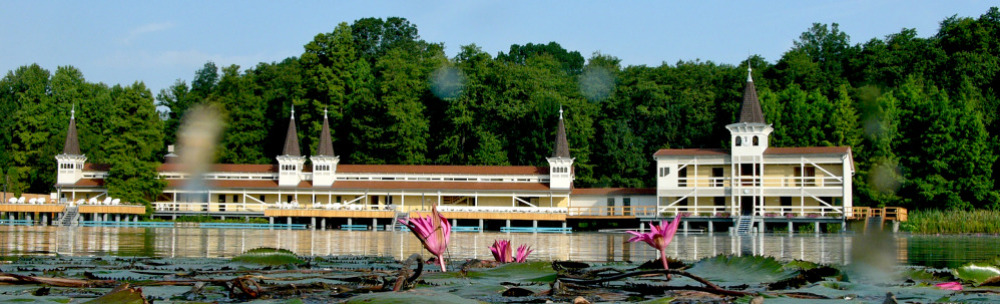
tartalom: + 1          The Lake Bath and the Festetics Day Spa can be visited with one ticket, but the visit the sauna and wellness section in the Festetics Day Spa is only available with a complimentary ticket. The Indoor Bath can be visited with separate tickets. Healing and health promotion in Hévíz In Hévíz you can find almost all the elements of natural healing and health promotion, which interlock with one another as tiny particles, thus forming an integrated whole.This integrated whole can shortly be called health. The elements have a healing effect in themselves, but their joint presence increases their efficiency in the course of healing, rehabilitation and health promotion. If it is Hévíz, the most important healing element is bathing in the thermal lake. The gentle and smothering touch of the water, the feeling of floating, the swinging lotus flowers, the odour of the healing water and the green leafy crown of the surrounding trees all have a calming effect on the nervous system and evoke the psychological feeling of healing. To experience when water drops as tiny little balls give a gentle massage to the body is unique throughout the whole world.The medicinal lake of Hévíz not only provides the feeling of bathing but also means the basis of traditional medical treatments and healing wellness treatments. Thus, bath treatment means the basis of the healing effects of Lake Hévíz, but it is also important to emphasise such unique medical treatments as mud-pack, the famous weight bath, different types of medical massage and drinking cure. Besides healing, Hévíz naturally provides other facilities as well to preserve the active physical condition of the body, strengthen mental fitness, and find peace and soul harmony (even if for a few days…). Active sports programs such as Nordic walking, bike tours, walks in the town, or near the outlet besides the lake or trips to the wine cellars all strengthen the body and the soul. Some find the right healing powder in the treatments and activities above while others might prefer spending a couple or even more days in a marvellous environment, doing nothing else but enjoying their holiday and the unique atmosphere of the little town, tasting the delicious specialities that are characteristic of the Zala region, and enjoying the flavour of the wines of Hévíz in the company of friends, all of which evoke an unforgettable experience. As we all know: delicious food and a glass of nice wine are as important elements of life as health itself!
title:
description:
címkék: ;Health;Festetics Spa;bath;Health;Thermal lake;Thermal water;Hévíz;Hévíz Lake;Traditional Hévíz Therapy;Spa;wellness;Opening hours;
fókusz kulcsszó:
szinoníma címkék:

25. Traditional Hévíz Therapy

Last modification: 2024. April. 10. 11:10

Találati relevancia adatok

megtalálta: szöveg (1)  | összesen: 1 pont
Tárolt adatok:
cím: Traditional Hévíz Therapy
lead:
tartalom: + 1 In each case, medicinal therapies in Hévíz are preceded by a personalized medical examination, in the course of which our specialists accurately assess the complaints and symptoms, then draw up a treatment plan that can eliminate the unpleasant symptoms and their cause.

Hévíz has created its own trademark for therapies based on the healing properties of Lake Hévíz accreditation. Hévíz has been known for its excellent results in relieving musculoskeletal complaints Traditional Cure (HTK) has a 220-year spa history, thousands of cured guests and and modern medical research.

The main pillars of the Hévíz Traditional Cure are bathing in medicinal water, mud packs and weight bathing. As a complementary treatment, drinking from the medicinal water fountain is also part of the package, massages, movement therapies, physiotherapy and hydrotherapy. The ideal duration of the treatment ideally two weeks.

Institutions that have the necessary professionalism to carry the mark are eligible, medical background and medical infrastructure (e.g.: thermal pools, weight baths, mud packs). conditions are checked every two years by a professional committee. The next qualification period is May 2024.


The following institutions in Hévíz are qualified:

  • Lake Bath
  • Ensana Thermal Aqua****
  • Ensana Thermal Hévíz**** superior
  • Hotel Europa fit**** superior
  • Hunguest Hotel Helios
  • Kolping Hotel Spa & Family Resort ****
  • NaturMed Hotel Carbona**** superior


The basic elements of the Traditional Hévíz Therapy

Thermal water with a temperature of 32-34°C is ideal for the body. The water composition of the thermal water of Hévíz has proven anti-inflammatory and analgesic effects. Uniquely, the depth of the water allows the muscles to relax completely and the joints to perfectly relieve while swimming/floating in the water.


The effectiveness of the Hévíz medicinal lake is the result of a combination of several therapeutic factors

  • the thermal effect of the water
  • its mass and constant flow
  • its gas and radium emanation content
  • hydrostatic pressure
  • bathing in the open air


Bathing in water at 32-34°C is the most optimal temperature for the body, as it is considered an indifferent temperature, which allows the water to effectively exert its chemical and biological properties and its calming effects on the nervous system.
The water rising from the spring cave keeps the water in constant motion and creates a vertical flow giving the bather a light, floating sensation.

The lake water is rich in gaseous substances, it contains hydrogen sulphide, carbonic acid, methane and radium gases. During bathing, gas bubbles adhere to the skin and are absorbed through it exerting their beneficial effects. The gases that escape from the water are then inhaled and enter the body through the lungs. The sulphur and radium emanations that are released promote cell regeneration, the function of certain endocrine glands, the production of immune substances and play an important role in healing.

In Lake Hévíz, unlike in most thermal waters, you bathe standing, in an upright position. This means that the legs, which are submerged deeper, are under more pressure than the upper parts of the body, which is beneficial for blood circulation: the pressure of the water drives blood from the veins in the lower limbs towards the heart.


Would you like to learn about the composition of the water?

The water of Lake Hévíz is calcium and magnesium bicarbonate-rich thermal water

Cation

mg/l

Anion

mg/l

Metaboric acid 0,5
Potassium 6,8 Chloride 23 Metaflinic acid 43
Sodium 27 Bromide 0,11 Free carbonic acid 86
Ammonium 0,32 Iodide 0,021 Dissolved oxygen 3,6
Calcium 81 Fluoride 1,4    
Magnesium 36 Sulphate 64

Total

754

Iron 0,04 Bicarbonate 378    


  Sulphide 3,2    
Total cations 151 Total anions 470

The "speciality" of Hévíz

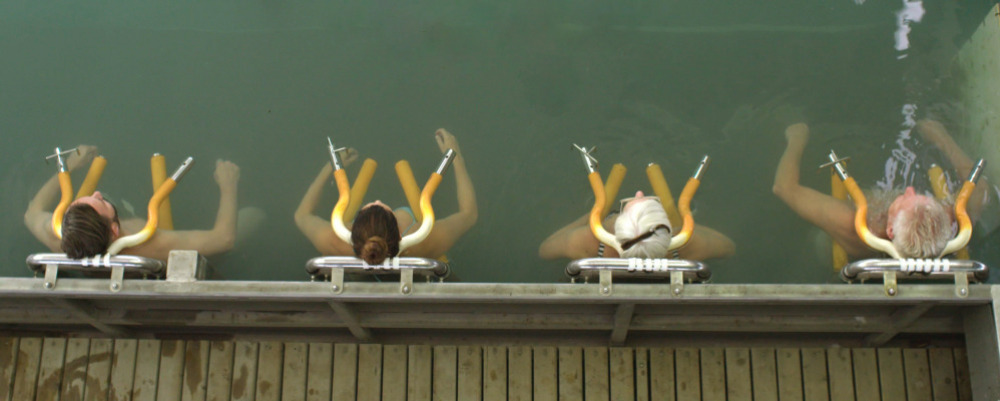
Weight bath is an underwater treatment designed to move the vertebrae of the spine away from each other, thus stretching the spinal column. The stretching allows the discs to return to their original healthy state. Weight bath is completely painless as the buoyancy of the water relaxes the body and the weights stretch the spine very gently. During the treatment, the patient "hangs" in the pool suspended by the neck and/or under the arms while weights are placed on the waist and/or ankles, depending on the condition. The weights are usually 2, 3 or 5 kilograms.

In the weight bath, the weights used can be suspended in 3 different ways:

  • one-point suspension (neck only)
  • two-point suspension (underarm support)
  • three-point suspension (neck and underarm support)

Weights can be placed on the patient under medical instructions but not more than 20 kg at a time.
Treatment time: 20 minutes on average
Water temperature: indifferent (34-35 °C)


Indications:

  • relieving pressure on discs and nerve roots
  • easing of muscle spasms
  • reducing ligament and muscle contractions

Contraindications:

  • cardiovascular complaints
  • high temperature, infectious disease
  • acute musculoskeletal disease
  • slipped vertebrae
  • malignant tumour
  • 6 weeks after disc surgery

In each case, the parameters of the weight-bath treatment, the duration, and the weight to be used are determined by the attending physician. Weight baths should only be used on the advice of a specialist. The treatments are carried out with gradual loads according to the parameters. Patients are suspended through the neck or underarm support.


Weight baths are available in the facilities of the Hévíz Spa and the St. Andrew’s Hospital for Rheumatic Diseases, such as the Rheumatology Hospital, the Lake Baths and the Festetics Bathhouse, as well as in the hotels offering the Traditional Hévíz Therapy.
Mud wraps for healing

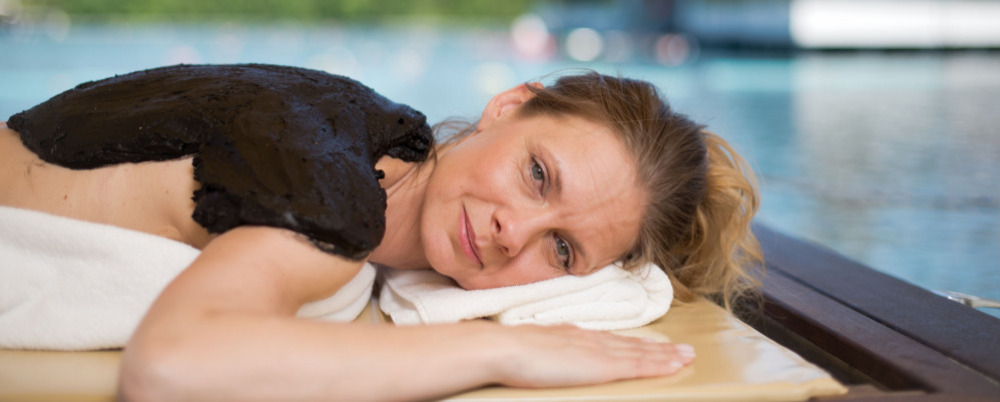
Hévíz mud is mostly peat of vegetable origin, dark grey and soft. It is unique, it has a special medicinal effect because of the radium salts and reduced sulphur compounds it contains. The medicinal water and mud from the tens of thousands of years old Pannonian Sea, together with complex physiotherapy treatments, are suitable for treating all rheumatic and musculoskeletal disorders.

The mud is used in the form of mud wraps in the course of therapies. The mud treatment lasts 20 minutes and is applied to a maximum of six body parts at a time. After the treatment, at least half an hour of rest is recommended.

It is recommended for the following diseases:

  • in the treatment of chronic musculoskeletal disorders, in the case of abrasion, calcification, and inflammatory diseases
  • in certain orthopaedic cases
  • in some neurological problems
  • for specific internal and gynaecological diseases


In Hévíz, mud baths can only be carried out on medical advice, but the mud pool of Lake Hévíz can be used with due caution.

Try it!

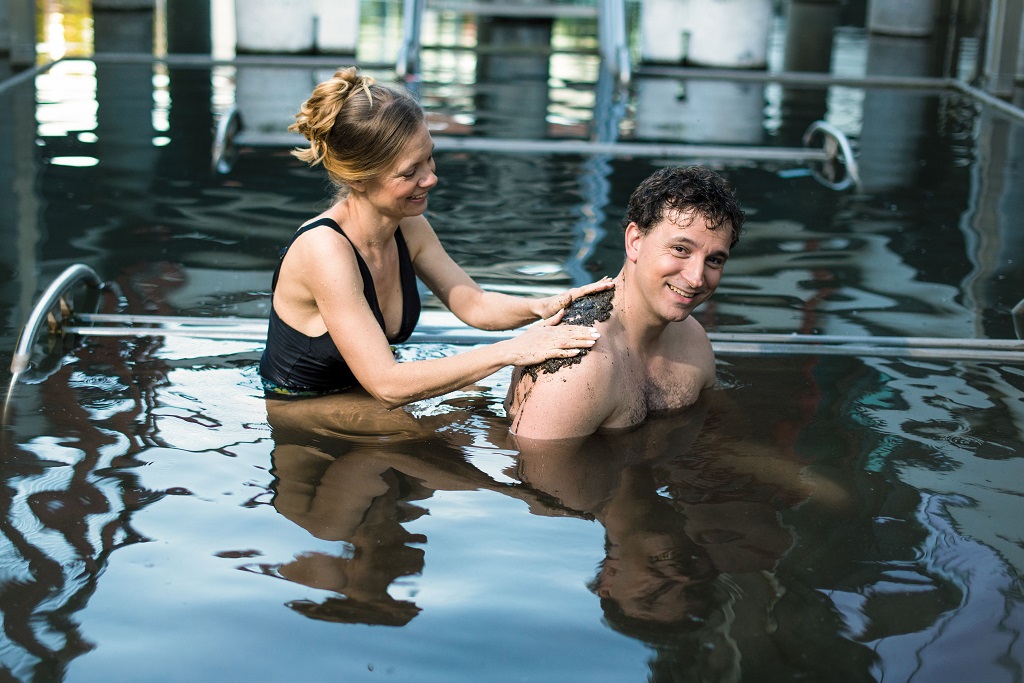
Pampering and health preservation at the master level: the therapeutic masseurs of Hévíz have found out how to combine the beneficial effects of therapeutic massage and medicinal mud in one treatment. This has become the Hévíz mud massage. Its main advantage is that it can be tried without a doctor's consultation. You only need to discuss with the masseur if there are any contraindications.


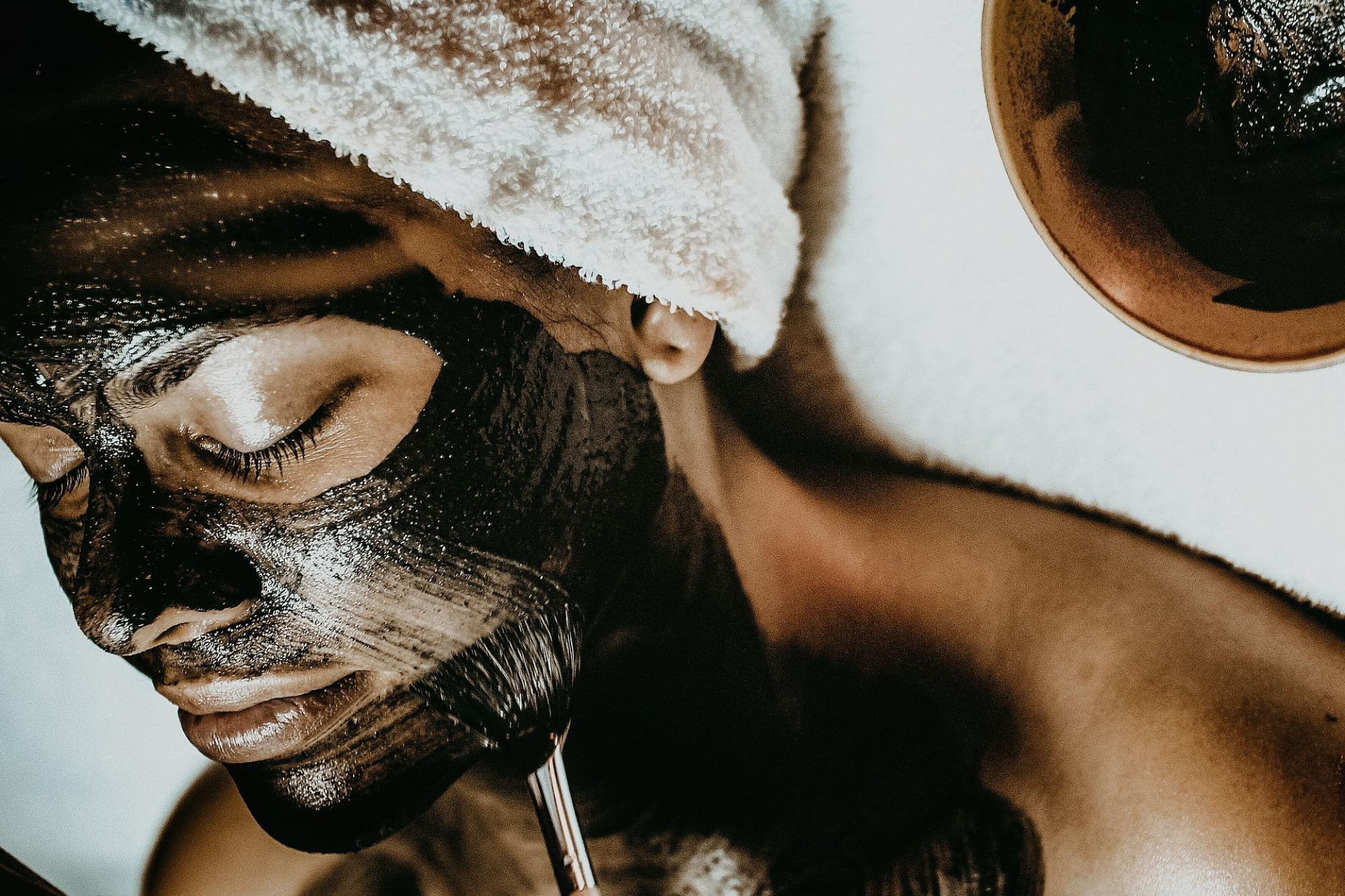
Try the cosmetic treatment with Hévíz mud

Today there are several types of cosmetic mud available on the beauty market - including one based on the peat mud of Hévíz. The products made from this mud make the skin velvety and soft. They also have a beneficial effect on skin and connective tissue cell renewal, reduce inflammation and the signs of ageing - as the heat dilates the capillaries, the supply of nutrients and oxygen increases and makes the skin more resistant.
The additional elements of the Traditional Hévíz Therapy

All you need to know about therapeutic massage

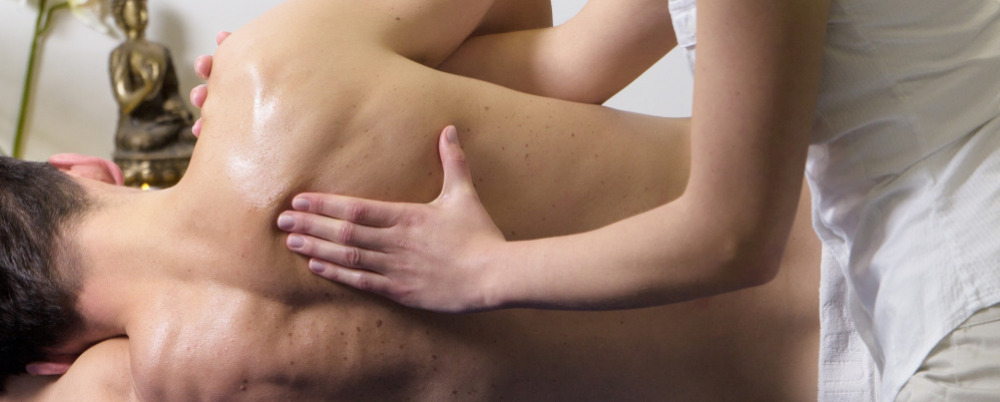
The specialists of Hévíz recommend therapeutic massages as one of the main elements of the traditional treatments - in addition to bathing therapy. Therapeutic massage is an important treatment in physiotherapy. A 10-15 minute bath in thermal water is recommended before the massage. It relaxes the soft tissues and makes the massage more effective.


Therapeutic massages include:

  • Swedish massage,
  • reflex zone (segment, connective tissue, periosteal) massage,
  • lymph massage,
  • sports and refreshing massages.

The general effect of massage is to increase blood and lymphatic circulation. Heart rate and blood pressure change, metabolism speeds up, body temperature and breathing changes, excretion increases and thus detoxification. It also has a positive effect on the nervous system.

Click here to watch videos of several types of therapeutic and wellness massages.
 

Massages, including therapeutic massages, have a number of contraindications, so it is always necessary to consult a massage therapist before treatment.
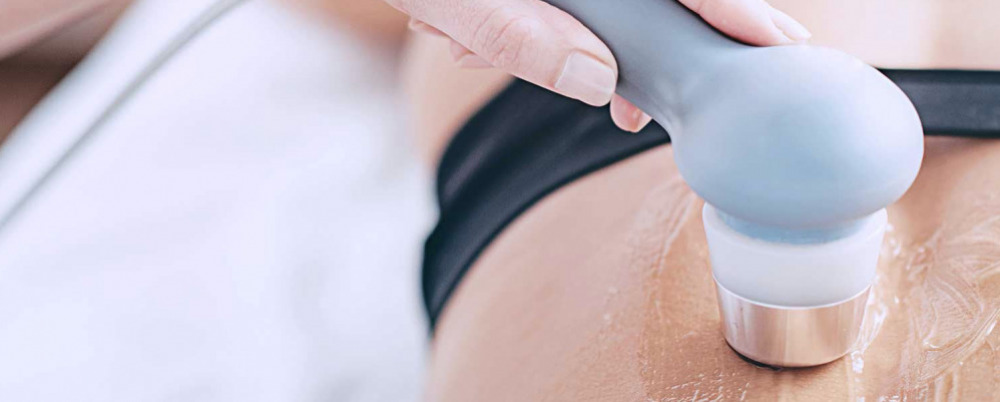
Physiotherapy is an umbrella term that includes movement, electro-, and magnetic therapies.

Electrotherapy

In the course of the treatment two electrodes are used to send a low-voltage current to painful areas, and as a result, a slight tingling sensation is felt. Electrotherapy treatments are specifically designed to speed up healing and are excellent for ligament injuries.
Galvanic electrotherapy is good for pain relief and increases blood flow. Low-frequency treatments include ultrasound, magnetic resonance, diadynamic, ionomodulator, sonopuls, stymat, sonodynator, dionine, endomed, or cryotherapy, which is an excellent treatment for fresh joint injuries using cold air.

There are three types of high-frequency treatments: decimetric wave, microwave, short wave. During the treatment, high-frequency machines use the thermal effect of electricity to produce tissue engorgement.

  • Electrotherapies: iontophoresis treatment, Diadynamic, Myotest, Interference treatment, Ultrasound treatment
  • Magnetotherapy - magnetic ring, also known as pulsatron.
  • Light therapies: Sollux, laser, evolite
  • Mechanotherapy (movement therapy):
    Passive: massage, therapeutic massage, andActive: physiotherapy, which can be individual or group therapy


Several of the above can be found in our video library to help you understand what they are used for and why.
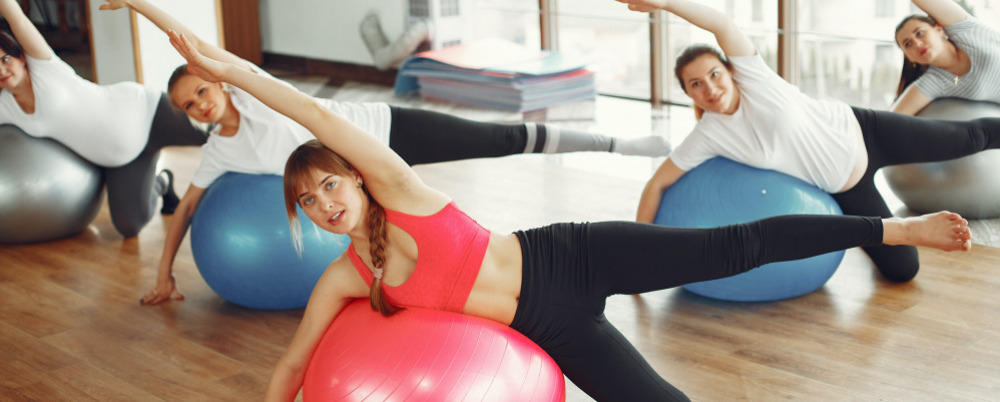


Movement therapies are an effective way to achieve rapid improvement in musculoskeletal complaints and spinal problems.

During general movement development, the aim is to stimulate brain functions, increase and refine attention and concentration skills. Also, the movement therapy developments applied in Hévíz, such as physiotherapy, targeted spinal exercise, aim at healing, regeneration and prevention. These methods are particularly important in the treatment of musculoskeletal disorders.


Physiotherapy

Physiotherapy is of paramount importance in the treatment of musculoskeletal disorders, as it can effectively help to improve health conditions caused by a sedentary lifestyle.
During individual and group sessions, patients learn the movements that are important for them from qualified therapists, and can later do them at home. The aim is to restore damaged spines and joints, improve the musculoskeletal condition and correct posture.

Spinal exercise

A method used mainly to increase the range of motion of the spinal column and to mobilise the neck and waist. But successful results can be achieved by stretching muscles shortened due to incorrect posture or pain, strengthening muscles around the back, abdomen, hips, and improving coordination.

Underwater gymnastics

It combines the effects of physiotherapy with the healing and beneficial physical properties of water. The movements performed in the water are less strenuous, so they can also be done by people who find traditional gymnastics exhausting.


In addition to the traditional methods listed above, special methods can also be used to treat back problems:

• Schroth therapy
• Manual therapy
• McKenzie method
• Kinesio tape
• Spineliner treatment
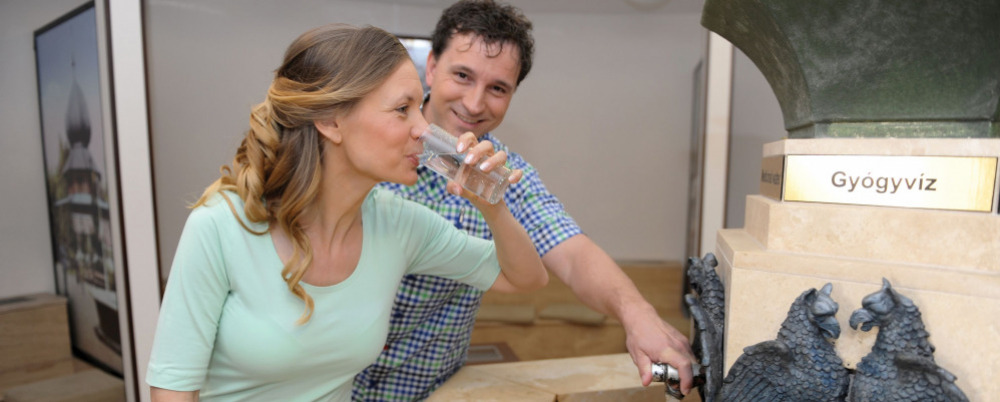
Thermal water, not for external use only

Dr Noémi Gyarmati says the following about the use of Hévíz sulphurous thermal water as a drinking cure: “It can be used successfully to increase intestinal function and stomach acid production, in cases of chronic intestinal inflammation, constipation or haemorrhoids. It relieves gall-bladder diseases and helps the healing of respiratory tract infections. Also, it can be used not as a drinking cure but as a gargle for chronic inflammation of the oral mucosa with good results."

Of course, like all medicinal waters, this one has contraindications too, so the consumption of sulphurous water should be avoided in the case of:

• acute inflammation of the liver and biliary tract,
• and increased thyroid function.

In the town, there are drinking fountains with medicinal water that can be used free of charge:

  • • In the building of the indoor spa of the Hévíz Spa and St. Andrew’s Hospital for Rheumatic Diseases, opposite the entrance to Festetics Square (opening hours: 7.00 - 17.00)
  • At the Kölcsey street event area

Thermal water can also be consumed at the drinking fountains in hotels where thermal water is used in therapy.
The thermal water of Hévíz cannot be bottled, so fresh water can only be consumed at the drinking fountains.
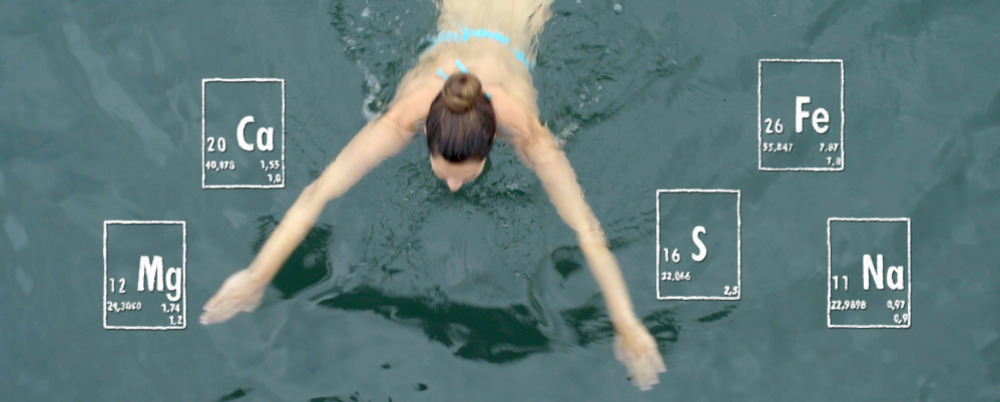
Treatment with water

The physical properties of water are used in water therapies, and their effects are greatly enhanced by treatment with medicinal water. It mostly reduces the recovery time of people suffering from musculoskeletal disorders.
The temperature of the water - cold or hot - produces further opposite effects. In a hot bath, vasodilation occurs, blood pressure decreases and the heartbeat speeds up. In cold water baths, blood vessels constrict, causing blood pressure to rise, heart rate to fall and coronary arteries to constrict.


Types of treatment

In addition to the mud and weight bath treatments listed in the basic elements of the Traditional Hévíz Therapy, the following methods are also included in hydrotherapy, i.e. water treatments:

  • Carbonic acid bath
  • Electric bath
  • Contrast bath therapy
  • Underwater massage
  • Hydroxeur-tub bath
title:
description:
címkék:
fókusz kulcsszó:
szinoníma címkék:

26. Indoor bath opening hours, pricelist

Last modification: 2026. April. 02. 05:58

Találati relevancia adatok

megtalálta: szöveg (1)  | összesen: 1 pont
Tárolt adatok:
cím: Indoor bath opening hours, pricelist
lead:
tartalom: + 1 Indoor Bath / Therapy Centre The Indoor Bath was built between 1964 and 1968, with the purpose of providing a place for winter bathing and thermal treatment.       Opening hours Monday-Friday: 7 am - 6 pm Saturday: 8 am - 4 pm Sunday: 8 am - 5 pm Open all year long, so the guest can use the services from the Indoor Bath every day, so as physiotherapy treatments (thermal pool, bath tubs, mud packs, underwater traction bath, massages, electrotherapy, balneotherapy), or a wide range of diagnostic units (laboratory, x-ray, ODM) as well as specialised medical consultation opportunities. The building has 7 indoor pools: Name of pool Water surface (m2) Temperature oC Depth (cm) thermal pool 96,6 35-36 90 - 120 traction bath 31,55 34,5 135 - 200 sitting thermal bath 61,26 38 90 - 120 experience bath 127,26 32-34 105 - 135 sitting thermal bath 55,89 37 100 - 120 therapeutic exercise pool (operates as a Jacuzzi in the afternoon) 18,19 32-34 130 therapeutic exercise pool (operates as a Jacuzzi in the afternoon) 21,3 32 140 Poolbath-passes Name Price Pool bath 2 300.- HUF Pool bath Senior ticket from 60 years - With preliminary presentation of ID card 2 100.- HUF
Name Price
Medicinal weight bath 5 000.- HUF
Mud pack, lower or upper body 5 500.- HUF
Mud pack for limbs (complete) 9 000.- HUF
Effervescent bath 3 000.- HUF
Electro therapy 3 000.- HUF
Electric tub 3 500.- HUF
Four-section galvanic bath 3 500.- HUF
Underwater jet massage (Tangentor) 4 000.- HUF
Ultrasonography 4 200.- HUF
Individual therapeutic exercises 6 500.- HUF
Whirling bath, arm or leg 3 000.- HUF
Medicinal-Pedicure '40 3 000.- HUF
Manicure '40 3 000,- HUF
Combined treatment (UH+TENS) 5 000.- HUF
Combined treatment (UH+interference) 5 000.- HUF
Dry neck stretching 3 000,- HUF
Dry lumbar stretching 3 000,- HUF
Cryotherapy 3 000,- HUF
5 % discount is granted from the above treatment prices in case of minimum 10 treatments.  
8 % discount is granted from the above treatment prices in case of minimum 15 treatments.  
10 % discount is granted from the above treatment prices in case of minimum 21 treatments.  
Name Price
Revitalising, refreshing massage (partial), 35 minutes 3 700.- HUF
Disease-specific massage '40 5 000.- HUF
Dry brush massagetreatment, 45 minutes 4 500.- HUF
Reflex zone massage, 40 minutes 4 000.- HUF
Herbal massage 45 minutes 5 000.- HUF
Leg massage, 30 minutes 3 700.- HUF
Acupressure massage therapy with iplicator pillow “bed of nails” (40') 3 800.-HUF
Special regenerating massage with hip and scapula mobilization (45’) 4 800.-HUF
Headache-migraine treatment '20 3 200.-HUF
"Woodpecker" massagetreatment '45 4 500.-HUF
Cupping therapy on the back /on the waist '20 3 500.-HUF
Anti wrinkle cupping therapy (neck-decoltage) '20 3 500.-HUF
Trigger-point massage - due to headache 5 000.- HUF
Trigger-point massage - due to waist- and hippain 5 000.- HUF
Trigger-point massage - due to neck- and shoulderpain (40 min.) 5 000.- HUF
Name Price
Medical examination 8 000.- HUF
Medical control, specialist's examinations 4 500.- HUF
Name Price
Outpatient service, providing accommodation at an institution, with the referral of the family doctor - in room with two beds, and three meals 8 100.- HUF / day / head
Name Price
PANNON standard medicinal mud 1 800,- HUF /5 kgs
Treatment kerchief 400.- HUF
Hospital care The services of the thermal bath of Hévíz also include hospital services in the traditional sense. The predecessor of Saint Andrew Hospital was established in 1952, and the hospital has been waiting for its hospitalized and non-hospitalized patients alike since then. Besides rheumatology treatment several outpatient departments are also available such as: general medicine, neurology, ortopaedia, surgery, urology and dentistry. Check-in and appointment: +36 83/501-700             
title:
description:
címkék: ;Health;bath;Hévíz;Hévíz Spa;Hévíz Lake;Therapy;Hospital;Indoor Bath;
fókusz kulcsszó:
szinoníma címkék:

27. Evolution of bathing culture

Last modification: 2019. June. 12. 13:14

Találati relevancia adatok

megtalálta: szöveg (1)  | összesen: 1 pont
Tárolt adatok:
cím: Evolution of bathing culture
lead:
tartalom: + 1 The story of bath Hévíz As historical remembrance proves it, Hévíz was already known in the Roman era. The water was used for everyday activities, namely for the processing of animal skin (softening it with a piece of rod). The healing and miraculous effects of Lake Hévíz were chanted in a legend at that time. The bathing culture of Hévíz and the evolution of the unique medicinal therapies are linked with the name of Count György Festetics, who started bathing constructions on the lake from the year 1795. He established a bathing site beside the lake, which were most popular especially with the local peasantry. The bath and the thermal water later became famous, and people from more distant places visited Hévíz wishing to be cured. More than 200 years later (at the turn of the century), the leasehold rights were seized by the brewery owner Vencel Reischl of Keszthely, who continued the developments. As a result, Hévíz has become a well-known thermal bath throughout Hungary by today. The development of Hévíz was continuous throughout the centuries and it is still going on even today. However, Hévíz was not only known for the healing power of its thermal water, but notable medical doctors of the town further enhanced its fame too. Dr Károly Moll, inventor of the weight bath became famous all around the world. Recent improvements of the bath aimed to increase the quality of the services offered to the patients. During the reconstruction of the thermal lake, the main buildings were renovated, and the function of the buildings was also modified. The changing rooms were removed from the winterized building in the middle of the lake to the entrance in the southern and western part of the complex, thus rendering the construction of a 2,500 square metre bath house in the middle of the lake possible. The most significant attraction of Hévíz is the unique medicinal lake and its healing power. Today however, modernization and the extension of the available services to attract the age group 35-50 cannot be neglected either. During the latest reconstruction of the thermal lake new buildings were constructed on the lakeside, housing pleasure pools, a sauna block, massage clinic, various examination rooms, changing rooms, catering units and even a conference room. Later, the new building was also renovated, which now provides services equivalent to those of a 4-star hotel: in the 3-floor departure building there is a wellness department (sauna, steam bath, ice bath, salt cave, pools), modern guest rooms and a therapy department (hydrotherapy, massage, beauty salons, mud treatment rooms, body culture therapy) waiting for the visitors. A sauna and modern massage rooms were built as part of the reconstruction, and the capacity of the changing rooms and that of the resting area were also extended. Besides the constructions, the park around the thermal lake developed as well where 30 special ornamental trees were planted thanks to a successful tender procedure.Owing to the recent developments, Hévíz can not only preserve but also strengthen its position as one of the most popular centres of national and international thermal water tourism.Thanks to the realized development projects, Hévíz grows more modern, and becomes able to satisfy the divers needs of its frequent visitors and those of the growing number of younger guests with children as well. Look around in our 3D tour! Did you know that people lived around the town even in the Neolithic period, 7500 years ago? "Da Bibere" the Latin inscription on a cup from the first century before Christ found among the archaeological finds means ‘Give me a drink!’? also two Roman altar-stone dedicated to Jupiter were unearthed north of the Lake? castle servants lived around the Lake of Hévíz in the Árpád-age, from the 11th to the 14th century? the name of Hévíz first appeared in a charter dated 28th March 1328?
title:
description:
címkék: ;Health;Developments;Festetics Spa;Flavius;Health;Hévíz Spa;
fókusz kulcsszó:
szinoníma címkék: