
POLES AND HUNGARIANS, BROTHERS IN FRIENDSHIP
The first destination in the city’s international engagement was Karpacz, more precisely, the 35th Economic Forum. Following the participation of Hévíz in the European Congress of Local Governments the previous year, this event once again opened the door for the town to introduce itself in Poland on a major international platform.
Alongside influential figures from the political and economic sectors, the forum brought together researchers, business leaders and cultural professionals to exchange views and professional experience. Of all Hungarian municipalities, only three settlements—including Hévíz— were given the chance to attend this prestigious Central European event.
Just a few days later, the official programme continued in Croatia.
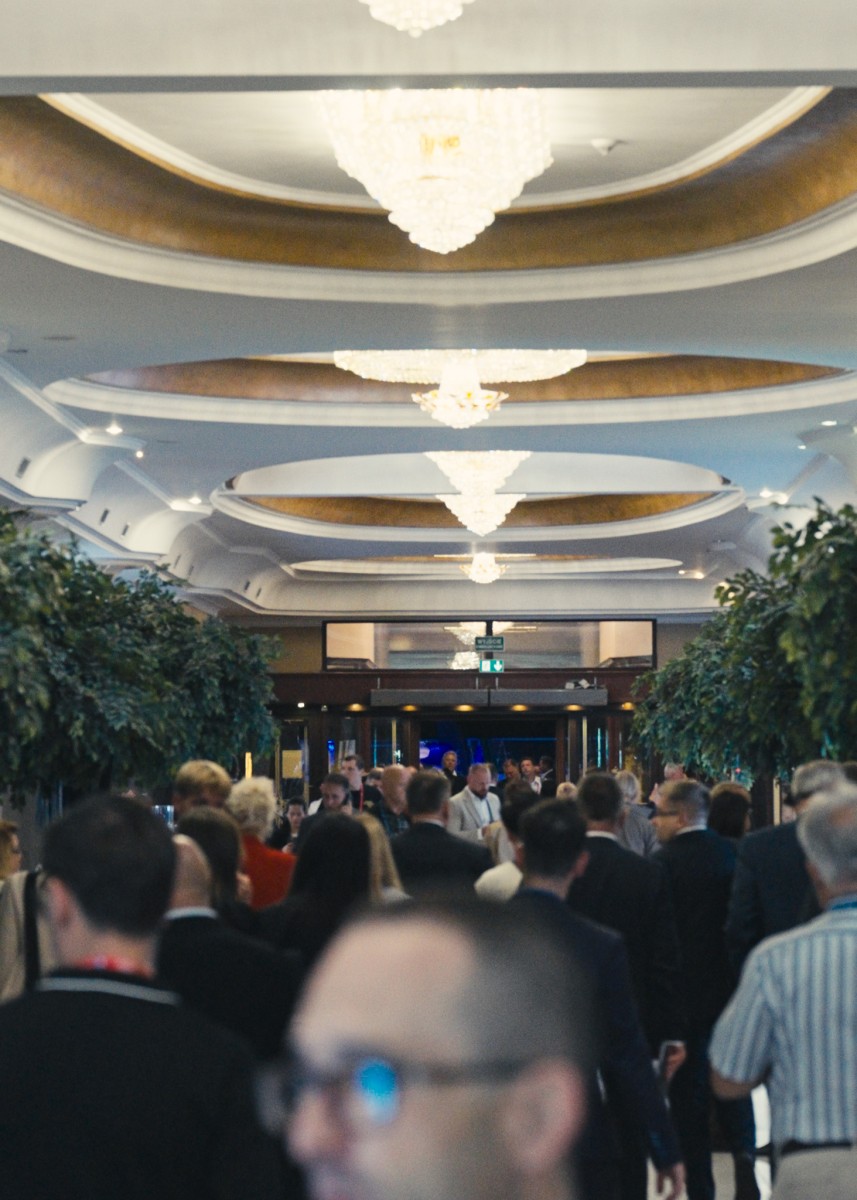
The venue of the 35th Economic Forum, Hotel Gołębiewski Karpacz
A HUNGARIAN PICNIC IN THE CROATIAN CAPITAL
At the invitation of the Liszt Institute, the cultural institution of the Embassy of Hungary in Zagreb, a delegation from Hévíz appeared at the 10th Hungarian Cuisine Day. The event aims to preserve Hungarian culture and gastronomy and introduce them to audiences in the Croatian capital.
Alongside the community event and the formal meeting at the Hungarian Embassy, there was also an opportunity to reconnect with longstanding partners. The Hévíz delegation once again met in person with representatives of the Hungarian Minority Council of the City of Zagreb and the Ady Endre Cultural Association, continuing established relationships.
From the Croatian capital, the journey continued towards the Mediterranean region of Europe.
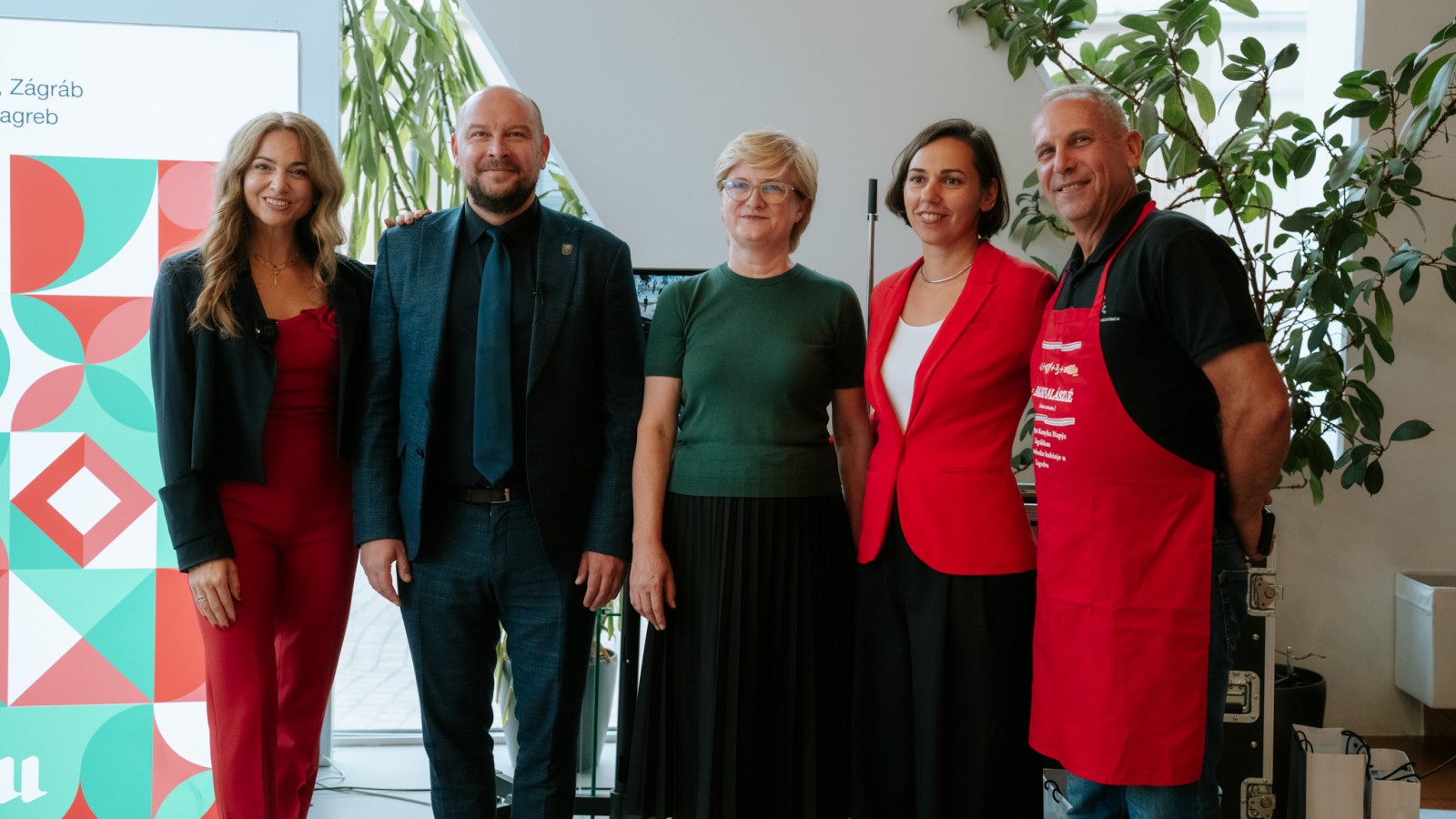
Dr. Klára Galli-Baronfeind, Chargé d’Affaires of the Embassy, Dr. Anna Mladenovics, Director of the Institute, and the Institute’s staff at the opening of the event
DO ALL ROADS LEAD TO ROME?
Italy has long been regarded as a promising source market for Hévíz. Accordingly, in September this year, both local Italian contacts and ties with Hungarian communities abroad played an important role in strengthening the city’s international presence. This interest was reinforced by the marketing management of the Italian National Tourist Board (ENIT S.p.A.), which welcomed the Envoys of Hévíz.
As for diplomatic partners, initial negotiations took place in the town of Bellegra following a recommendation from the Embassy of Hungary in Rome. The Hungarian side met with the leadership of this picturesque Italian town in the Lazio region to discuss potential areas for long-term cooperation between the two municipalities.
The Vatican, too, opened its doors to the Hévíz delegation during the visit. Just a short distance from St Peter’s Basilica stands Palazzo Migliori, where people living in difficult circumstances are regularly welcomed. Charitable dinners organised for them form an important part of this mission. On this occasion, Hévíz undertook to support one of these meals for those in need.
On 16 September, a gift from Hévíz found its way—not onto the Pope’s table, perhaps, but certainly into the immediate vicinity of the Holy Father. The delegation from Hévíz was granted the exceptional honour of meeting Pope Leo XIV in person during that day’s private audience.
It could be said that, in those deeply moving moments, another symbolic paragraph was added to the history of Hévíz, a history dating back to ancient Roman times.
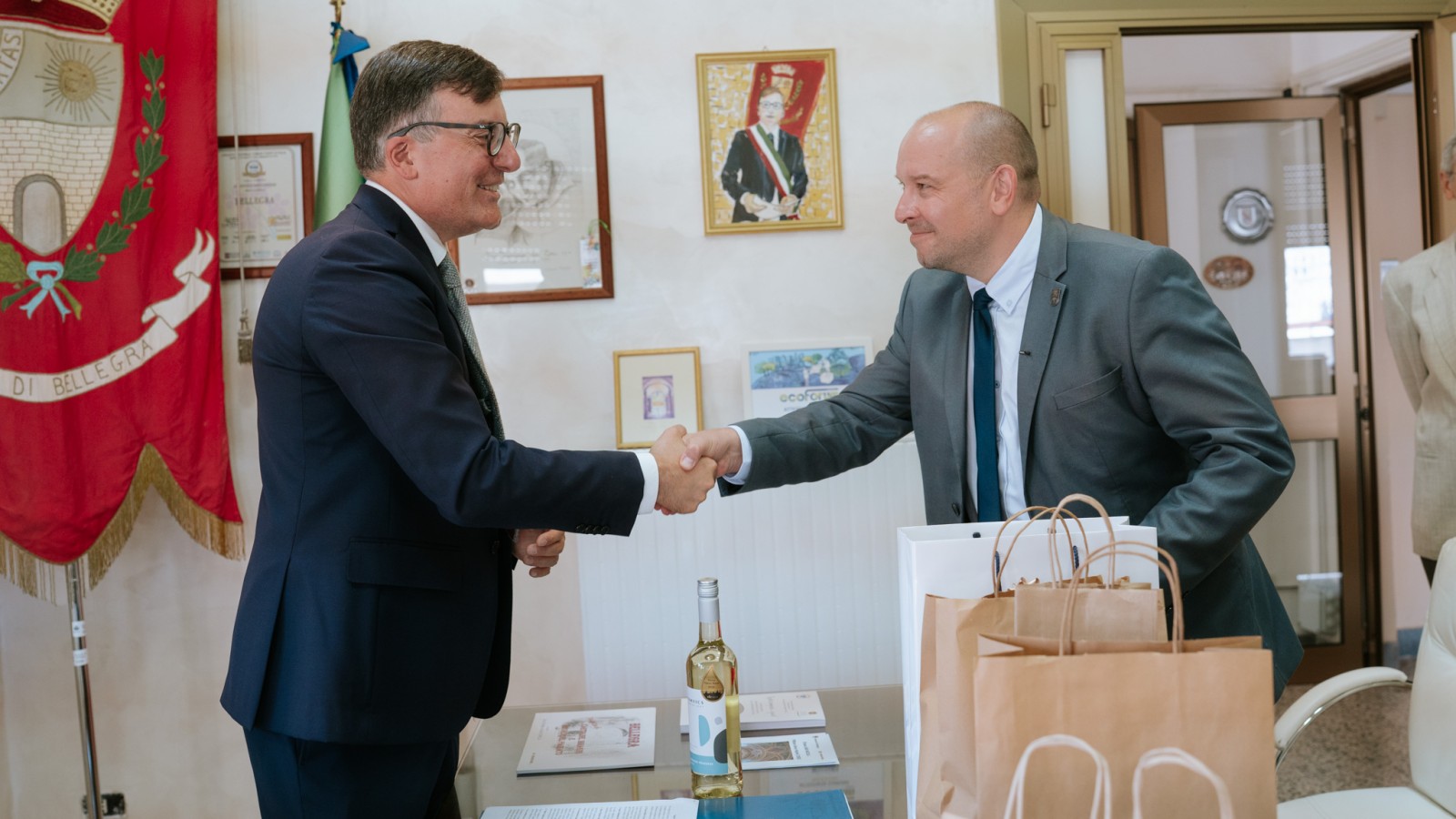
Dr. Fabio Zambon, Mayor of Bellegra, also welcomed our initiative with enthusiasm
TAKING STOCK
Karpacz, Zagreb, Bellegra, Rome and the Vatican: in the space of just two weeks, Hévíz’s international engagements spanned an impressive geographical range. Yet their significance lies in much more than prestige. Each visit had its individual purpose and character, but together they reflect a shared ambition: to consolidate Hévíz’s standing in Europe and ensure that, wherever the city reaches out, there are partners ready to meet at the same table.
Every journey comes to an end, but its effects continue long after the return home. These encounters are best seen not as achievements in their own right, but as opening moves on an imaginary chessboard. Their true value will be measured not by the distance travelled, but by what these first moves make possible in the years to come.
PICTURES BY: Benjámin Marcell Pas