Search

Kizárt szavak

Tiltott szavak

  • cialis
  • viagra
  • php
  • sql
  • html
  • https
  • http
  • chr
  • script
  • sex
  • porn
  • sexmassage

Alternatív kifejezések

  • =

1. Cserszegtomaj Delights

Last modification: 2025. November. 26. 09:41

Pickles, fermented vegetables, smoky zakuska, homemade jams, and roasted hazelnuts — all crafted from homegrown produce, free of additives, just like grandma used to make.

Találati relevancia adatok

megtalálta: cím (10) szöveg (1) title (5)  | összesen: 16 pont
Tárolt adatok:
cím: + 10 Cserszegtomaj Delights
lead: Pickles, fermented vegetables, smoky zakuska, homemade jams, and roasted hazelnuts — all crafted from homegrown produce, free of additives, just like grandma used to make.
tartalom: + 1 From garden to jar Have you ever tasted roasted hazelnuts? Tried pickled turnips? Love fermented vegetables? At Cserszegtomaj Delights, the family’s homegrown fruits and vegetables are transformed into delicious jams, healthy pickles, rich vegetable spreads — and even roasted hazelnuts, one of the key ingredients in Nutella. Éva Mózerné Merics and her family have been growing their own produce for decades. By expanding into small-scale processing, they now manage every step from seed to jar themselves. A legacy rooted in grandmother’s kitchen The farm is built on generations of family knowledge and experience. What started as growing food for personal use gradually turned into selling surplus at local markets. For years, Éva’s grandmother sold their homemade products at the Keszthely market. As demand for preservative-free, homemade goods grew, Éva left her previous job and dedicated herself full-time to farming and processing. Today, the family cultivates several hectares of orchards, vegetable plots, and a hazelnut grove in Cserszegtomaj. Thanks to increased processing capacity, their products are now available year-round — though seasonal ingredients ensure constant variety. Traditional methods, modern values The product range includes classic pickles, fermented vegetables, vegetable spreads, jams, and roasted Turkish hazelnuts — plain, salted, or chocolate-coated. Depending on the season, Éva might also bring fresh produce to market: pumpkins in autumn, persimmons or quince paste in winter. Éva learned the art of preserving, fermenting, and natural processing from her mother-in-law. Many of her products are made without preservatives or additives, using traditional methods — just like grandma did. Fermented and pickled products — like turnips, cabbage, beets, or broad beans — are unpasteurized, retaining their natural nutrients and rich flavors. All vegetables are grown on the family’s land. Every step — slicing, bottling, labeling — is done by hand in their workshop in Cserszegtomaj. "Good things take time" That philosophy could easily be Cserszegtomaj Delights’ slogan. Éva believes that patience is the key to creating truly healthy, high-quality foods — whether preserving, pickling, or fermenting. More than a farm: an experience Besides their Cserszegtomaj farm, the family also maintains plantations in Alsópáhok, where they operate two guesthouses. Soon, they will open a demonstration garden, offering thematic programs and hands-on workshops where visitors can learn the secrets of homemade preserves. A mission, not just a job “What the garden gives, I want to turn into more than just flavor. I want to create life.” For Éva, farming is not just work, but a calling. She firmly believes that what we eat affects our quality of life, which is why knowing where food comes from — and how it’s made — truly matters.   Product highlights Zakuska This traditional vegetable spread is made from fire-roasted eggplants, homemade ground peppers, and their own tomato puree — all free of additives. The eggplants are roasted over fruitwood coals, giving them a signature smoky flavor. Every step is done by hand: peeling the eggplants, harvesting garden-grown peppers and onions, simmering the tomatoes. Seasoned simply but boldly, the zakuszka showcases the true taste of vegetables. Thick and creamy, it’s vegan, gluten-free, and perfect on bread, toast, or as a flavorful side dish. Each jar captures the essence of a Cserszegtomaj season. Roasted hazelnuts On their plantation, Éva’s son Gergő and his family tend to over 700 hazelnut bushes, using eco-friendly, chemical-free methods. After harvesting, the nuts are dried, cracked, hand-sorted, and roasted in small batches to ensure maximum flavor and crunch. They are available plain, salted, or coated in chocolate for those with a sweet tooth. Gergő also produces cold-pressed hazelnut oil — a rare delicacy in Hungary. Where to buy Hévíz Farmers’ Market Szezonkosár (Seasonal Basket Initiative) More information & Contact: Facebook

Imagine a vast body of water — over 1,000 meters deep and more than 400 times the size of Lake Balaton — once rippling across this land. The story of the Pannonian Lake is not just a fascinating chapter of geological history, but a legacy that continues to shape the region: it left behind mineral resources, fertile soils, and even inspired legends. Discover how an ancient lake transformed Transdanubia — and why its impact is still felt today.

An Inland Sea for Millions of Years

At its greatest extent, the Pannonian Lake covered an enormous area, far surpassing the size of today’s Balaton. For millions of years (approximately 12 to 8.5 million years ago), it dominated the region. As surrounding mountain ranges gradually rose, the lake became cut off from the world’s oceans. Its water slowly turned fresh, and its basin began to fill with sediments. Because of its isolation, the lake developed a unique ecosystem with many endemic species.

The Lake Didn’t Appear Overnight

The Pannonian Lake didn’t simply “appear” in the Carpathian Basin. Its formation was the result of millions of years of tectonic activity and shifting climate. It emerged as an independent, enclosed body of water — no longer connected to the open seas.

Deep Waters, Varied Shores

In some areas, the lake reached depths of over 1,000 meters. Elsewhere, shallower zones supported lagoons, river deltas, and small, isolated lakes. During high water periods, rocky shorelines formed along the mountain fringes — traces of which can still be found today in the Keszthely Hills and the Mecsek Mountains.

The Lake’s Retreat — and Sediment Legacy

Despite its size, the lake was eventually filled in by immense volumes of sediment, carried mainly by rivers flowing from the Alps and the Carpathians. Over the course of 6.5 million years, it gradually disappeared from the landscape.

What did it leave behind?

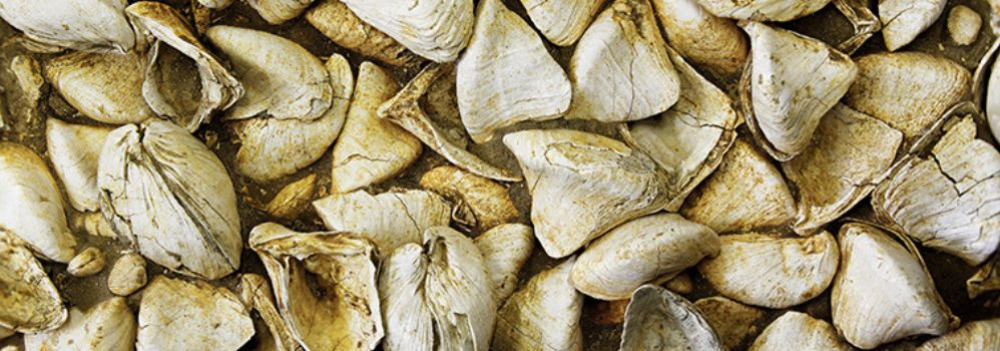
Its sediments — composed mostly of sand, clay, and fine silt — became the so-called “Pannonian formations,” which today hold key mineral resources (such as petroleum) and aquifers. These formations define much of the surface geology of Transdanubia, including the Zala Hills.

Fertile soils later formed on the laminated silty and clay-rich deposits of the Somló Formation. Even the legendary “Tihany goat’s hoof” fossils — actually worn shell fragments of the Congeria ungulacaprae mollusk — can still be found embedded in these ancient layers.

The Final Lakes and a Gradual Goodbye

Because most of the sediment entered from the northwest, north, and northeast, the lake slowly retreated toward the south and southeast — as if it were “withdrawing” from what is now Hungary.

Small remnant lakes persisted for much longer in areas of present-day Slavonia (Croatia) and northern Serbia, but due to their different scale, character, and fauna, they are not considered true successors of the ancient Pannonian Lake.
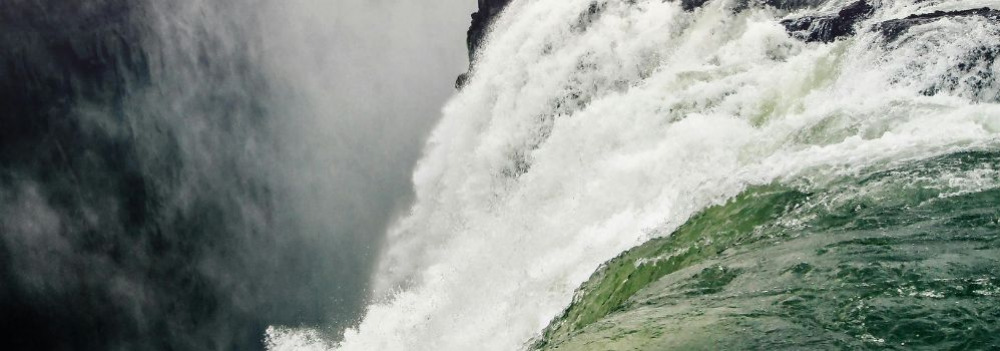
About 10,000 years ago, rapid climate warming triggered a cascade of natural responses: torrential floods, landslides, and intense rock weathering. The landscape we walk on today was not shaped over mere centuries, but by the dramatic forces of climate and water, working together. Did you know that the Zala Valley floor is made up of sediments deposited by a kind of "river of time"? Discover how the Earth’s surface became one of the most sensitive indicators of climate change.

Climate Change: Not Just a Modern Phenomenon

We often associate climate change with contemporary issues, but Earth’s climate has shifted many times throughout its history — sometimes quite rapidly. Within large-scale climatic cycles, alternating periods of warming and cooling have long been part of the planet’s natural rhythm.

When Climate Changes, Everything Reacts

A change in climate sets off a chain reaction of environmental processes. It’s not just animals and plants that respond — so does the landscape itself.

Around 10,000 years ago, as the climate warmed significantly, rainfall became more intense.

More rain meant more erosion: stormwater began washing away sediment from hills and valleys into riverbeds. The rivers, now carrying more water and more sediment, flooded more often and spread these materials across the landscape.

Shaping the Terrain

This had a major impact on topography: the land surface became more fragmented and dynamic. Warming temperatures also sped up chemical and physical weathering, breaking down bedrock and helping fertile soil layers to develop.
 In short, natural geological processes that had long been underway suddenly accelerated — and reshaped the surface of the land.

Young Sediments at the Base of the Slopes

Today, in many areas of the region, the lower slopes and valley edges are coated with sediment — debris washed down from higher ground, largely within the last 10,000–20,000 years. In the Zala Valley, for instance, these deposits have spread so far that they now reach the center of the valley floor.

The original bedrock source of these sediments varies: in Zala, it’s typically Pannonian sand (Somló Formation), while in the Keszthely Hills, marine-origin carbonates dominate — mostly dolomite, with some limestone. These sediments now appear as fine gravel, pebbles, or coarse sand, quietly recording the environmental changes of the recent past.

[galeria]
title: + 5 Cserszegtomaj Delights
description: Pickles, fermented vegetables, smoky zakuska, homemade jams, and roasted hazelnuts — all crafted from homegrown produce, free of additives, just like grandma used to make.
címkék:
fókusz kulcsszó:
szinoníma címkék:

2. Emese Cheese Workshop

Last modification: 2025. November. 26. 09:45

High-quality, artisanal goat milk products straight from sunny Cserszegtomaj — available in both savory and sweet varieties. Find your favorite!

Találati relevancia adatok

megtalálta: lead (3) szöveg (1) description (4)  | összesen: 8 pont
Tárolt adatok:
cím: Emese Cheese Workshop
lead: + 3 High-quality, artisanal goat milk products straight from sunny Cserszegtomaj — available in both savory and sweet varieties. Find your favorite!
tartalom: + 1 Where happy goats give you cheese, yogurt, and kefir At her small-batch workshop in Cserszegtomaj, Emese Tusz handcrafts cheeses and dairy products without additives, using milk from goats raised on her family farm. What began as a solution to her son’s dietary needs has grown into a beloved craft, allowing many others to enjoy high-quality dairy products again. If you’re looking for clean, pure, and lactose-sensitive-friendly delights — start your tasting journey here. A former German teacher, Emese started experimenting with goat’s milk when her son was diagnosed with dairy protein and lactose intolerance. Her home experiments quickly turned into a passion, then a profession. She completed a two-year dairy processing course in Csermajor and established her own workshop in Cserszegtomaj. Today, her son — who has grown up around goats — also takes part in the daily farm work. For sensitive stomachs and gourmet palates At Emese’s market stall, you’ll find fresh goat cheeses flavored with herbs, aged Jersey cow cheeses, yogurt, kefir, and occasionally butter and cottage cheese — all made with milk from her own farm. Her goat herd currently numbers around 80, with about three-quarters producing milk. All products are made with pasteurized milk, natural rennet, and selected cultures, ensuring a clean, mild flavor with no strong "goaty" taste. Emese cares for her goats with expertise and attention, knowing that healthy, clean animals are key to quality cheese. She uses no additives, flavor enhancers, or preservatives. Each product is made by hand — from shaping the cheese to seasoning it. Emese adapts her recipes daily, responding to the natural variations in milk: “Every day, the milk behaves differently. Its taste, texture, everything changes — you can’t force it into a formula, you have to follow its lead.” Fresh cheeses are often seasoned with smoked paprika or herbs. The yogurt is thick yet silky, while the kefir is light but full-flavored. Aged cheeses offer a deeper, more complex taste profile. Emese also keeps a Jersey cow, whose A2 beta-casein-rich milk broadens her product range — perfect for sensitive customers. Her aged cheeses and limited-edition yogurts often come from this milk, crafted with separate recipes to suit its unique character. Seasonal production Goats naturally begin producing milk after spring births, with milking season typically lasting through autumn. As a result, fresh goat milk products — like cheese, yogurt, and kefir — are only available during certain times of the year. In winter, when the goats rest, production pauses. Only at the market — Always personal You can find Emese’s products exclusively at the Hévíz Farmers’ Market. For her, meeting customers is part of the experience. She loves to talk about her cheeses, her goats, and how everything is made — often sharing pairing tips as well. “If it’s good enough for my son, it’s good enough for anyone.” This simple philosophy sums up what makes Emese’s products so special: they are healthy, natural, delicious — and crafted with honesty, heart, and care.   Product highlights Goat cheeses in a variety of flavors Fresh cheeses, creamy spreads, yogurt, and kefir — all made from milk sourced from Emese’s own goats, crafted with over a decade of experience. Every product is made with pasteurized goat’s milk, natural rennet, and carefully selected cultures. Fresh cheeses are prepared just before market days to guarantee freshness. In addition to plain, natural cheeses, you’ll find exciting flavors: garlic, chili, red onion, fenugreek, chives, and even a dessert cheese with walnuts and cranberries. Emese emphasizes quality and gluten-free safety, using Lukullusz ingredients to ensure her cheeses are safe for gluten-sensitive customers. No additives, no colorings, no preservatives. Smoked varieties are cold-smoked over beechwood, preserving their soft texture and natural aromas. Goat cheese pairs perfectly with a slice of sourdough bread, tossed into a fresh salad, or served alongside crisp apples. Where to buy Hévíz Farmers’ Market More information & Contact: Phone: +36 30 709 3640

The Life-Giving Winds of the Ice Age: How Loess Shaped the Land

Did you know that Transdanubia’s rich, golden soils are actually a gift from the winds of the Ice Age? Loess isn’t just a dry geological term — it’s an ancient natural recipe that gave rise to some of the most fertile soils in the Carpathian Basin. Where vineyards grow today and birds nest in loess cliffs, strong winds once carried yellow dust across the landscape — for thousands of years. Learn how this unique sediment shaped the land and why loess is still essential for sustainable farming today.

What Is Loess and How Did It Form?

The term loess comes from the German word lose, meaning "loose." Loess is a fine-grained, yellowish sediment that was deposited during the Pleistocene epoch (2.58–0.01 million years ago), particularly during glacial periods. It formed in periglacial environments south of the great Scandinavian ice sheet — cold, dry landscapes with little or no vegetation.

The dust was carried by strong Ice Age winds from floodplains and barren steppes, and slowly accumulated over tens of thousands of years. Eventually, calcium carbonate cemented these layers into loess, which developed characteristic vertical fissures.

It’s important to note that the Pleistocene wasn't a single “Ice Age,” but a period that included alternating cold and warm phases — some even warmer than today.

Loess and the Landscape

Loess gave the Carpathian Basin — especially Transdanubia — its distinct terrain.

Steep loess cliffs (sometimes up to 10 meters high), caves that provide nesting sites for bee-eaters and sand martins, centuries-old sunken roads carved into hillsides, and exposed root systems are all part of the landscape’s geological legacy.

Together, they define the unique character of this region — shaped by time, wind, and stone.

Fertility and Water Retention

Loess-rich areas have produced some of the most fertile soils in the region. Many local producers farm on land that sits atop loess. This creates an excellent foundation for agriculture — not just because of the high humus content, but also because loess has outstanding water-holding capacity. Its vertical pores allow moisture to penetrate deeply and remain in the soil, even during dry periods.

A Modern Echo — Dust from the Sahara

Interestingly, the fine Saharan dust that now reaches Central Europe more frequently can be seen as a modern counterpart to loess-forming material. It’s a reminder that the powerful natural forces that shaped the land long ago are still at work today — just on a different scale.

[galeria]
title: Emese Cheese Workshop
description: + 4 High-quality, artisanal goat milk products straight from sunny Cserszegtomaj — available in both savory and sweet varieties. Find your favorite!
címkék:
fókusz kulcsszó:
szinoníma címkék:

3. Hiking and touring

Last modification: 2024. August. 16. 13:40

Találati relevancia adatok

megtalálta: szöveg (1)  | összesen: 1 pont
Tárolt adatok:
cím: Hiking and touring
lead:
tartalom: + 1 Walking tours do not require any preparation or sports equipment. Tourists keen on nature may explore the area abounding in woods even individually. As the spring comes closer, it inevitably occurs to the lovers of nature to set out, enjoy the sunny weather and take a deep breath of fresh flower-scent air. At such times it doesn’t matter which direction you choose for a start; the only important thing is being outdoors. The West-Balaton Region, within that the Kis-Balaton and the Balaton Uplands with their unique natural values as well as Hévíz and its surroundings rich in forests provide great opportunities for the tourists who are willing to find a few days for wandering the countryside. These days walking with special poles, called Nordic walking, is getting more and more popular. We recommend this activity primarily for our elderly visitors, since you burden not only your legs but you can set the upper part of your body in motion as well. Nordic walking can be pursued anywhere. Of course, the best choice is walking outdoors, enjoying the fresh air in a pleasant environment close to nature. Such conditions enhance the beneficial effects of the Nordic walking; it relieves stress and improves stamina and gait. You can join the guided Nordic walking tours organized by the Tourinform Office on which you can acquire the basic techniques from an instructor, and in the meantime, you can hear a lot of interesting information on Hévíz and its surroundings. Nordic walking is an excellent family and community sport, that’s why it is highly recommended for tourists who are here with a company or reluctant to do any sports on their own. Do not give up if you have no Nordic walking poles; you can hire ones from the instructor. You can make enquiries on the details of the program in the Tourinform Office. The most popular Nordic walking route – a 6-km-long tour on the route Hévíz Véderdő (shelter forest) – Nemesbük – Egregy winery row – may be covered within one and a half hours. Download the walking tourmap from the area, where all trails are signed! Tourmap Guide for the tour map   Would you like to walk around the Small-Balaton? We recommend you to use this map, which guides you through the whole West-Balaton region. Small text on the other side of the map helps you to get familiar with the area. Tips for walking tours: Hévíz – Egregy – Alsópáhok – Hévíz (8 km) Hévíz – Cserszegtomaj; Margit kilátó (lookout tower) – Hévíz (3 km) Hévíz – Cserszegtomaj Várszínház – Hévíz (4 km) Hévíz – Keszthely Balatonpart – Hévíz (8 km) Hévíz – Cserszegtomaj – Keszthely Kertváros – Hévíz útvonal (12 km) Hévíz – Karmacs – Hévíz (15 km) Relax and enjoy walking!
title: Hiking and touring
description: Walking tours do not require any preparation or sports equipment. Tourists keen on nature may explore the area abounding in woods even individually.
címkék:
fókusz kulcsszó:
szinoníma címkék:

4. Hévíz by bike

Last modification: 2024. August. 16. 13:41

Találati relevancia adatok

megtalálta: szöveg (1)  | összesen: 1 pont
Tárolt adatok:
cím: Hévíz by bike
lead:
tartalom: + 1 On two wheels Choose an outdoor spot for sports activities whenever it is possible. While you are on holiday, a lake-shore area, the edge of a forest or a park could be the most ideal spot for active recreation. Hévíz and its surroundings provide you with good cycling facilities; there are a number of built cycle tracks and marked cycle routes. While cycling, you can get to know the towns and superb landscapes of the Balaton Highlands, the volcanic hills and the valleys hiding between the shore hills as well as the wildlife of the Kis-Balaton. You can hire a bike in various places, including tourist offices, hotels and even guest houses. Our short tours could be enjoyable for anybody. Speed is not essential on our short tours. Most of the tours are led on cycle paths, minor roads with low traffic or on well passable dirt roads. Explore the attractions and the beauties of nature on two wheels, and what is even more important is that you’ll make efforts for your health. Bicycle and E-bike rent at the Tourinform Office: qualitative Alpina bikes and Neuzer e-bikes.At the office you can also register for the plastic card for HeBi bikes.   From January 2021, we await our guests with a whole new set of bicycles, e-bikes and e-rollers!   Prices from 1 March 2022   3 hours 24 hours 3 or more days City/trekking bike 2,500 HUF 3,900 HUF 3,500 HUF/day E-bike 4,900 HUF 7,500 HUF 6,500 HUF/day E-roller 2,500 HUF - -     Cycle routes around Hévíz  HÉVIZ cycling trail Route: Town Hall  » Sugár Str. » Vörösmarty Str. » Ady Str. » Lake Hévíz » Véderdő (shelter forest) » Deák Square » Big parking lot » Roman ruins » Egregy winery row » Church of the Árpád era » Town HallTotal distance: 9 kmDifficulty level: easy Cycling trail around HÉVÍZ No. 1Route: Hévíz Bicycle Center  » Alsópáhok » Nemesboldogasszonyfa » Szentgyörgyvár » Zala riverbank » Zalavár » Sármellék » Alsópáhok » Hévíz Bicycle CenterTotal distance: 37 kmDifficulty level: difficult Cycling trail around HÉVÍZ No. 2 Route: Hévíz Bicycle Center » Keszthely-Kertváros (garden city) » Cserszegtomaj » Rezi » Rezi castle » Cserszegtomaj » Keszthely » Hévíz Bicycle CenterTotal distance: 40 kmDifficulty level: very difficult   Cycling trail around HÉVÍZ No. 3 Route: Hévíz Bicycle Center » Nemesbük » Zalaköveskút » Karmacs » Hévíz-Egregy » Hévíz Bicycle Centerű Total distance: 22 kmDifficulty level: difficult   Cycling trail around HÉVÍZ No. 4 Hévíz Bicycle Center » Felsőpáhok » Kátyán mountain » Alsópáhok » Hévíz Bicycle CenterTotal distance: 11 kmDifficulty level: medium difficult   Cycling trail around HÉVÍZ No. 5 Hévíz Bicycle Center » Keszthely » Gyenesdiás » Vonyarcvashegy » Balatongyörök » Balatonederics » Balatongyörök » Vonyarcvashegy » Gyenesdiás » Keszthely » HévízTotal distance: 42 kmDifficulty level: medium difficult   Cycling routes in the West-Balaton Region Balaton Tour ARoute: Keszthely » Gyenesdiás » Vonyarcvashegy » Balatongyörök » Balatongyörök Harbor » Balatonmáriafürdő Harbor » Balatonberény » Fenékpuszta » KeszthelyTotal distance: 35 kmDifficulty level: easy Balaton Tour BRoute: Keszthely » Gyenesdiás » Vonyarcvashegy » Balatongyörök » Balatonederics » Szigliget » Szigliget Harbor » Balatonmáriafürdő Harbor » Balatonberény » Fenékpuszta » KeszthelyTotal distance: 52 kmDifficulty level: easy Balaton Tour CRoute: Keszthely » Gyenesdiás » Vonyarcvashegy » Balatongyörök » Balatonederics » Szigliget » Badacsonytördemic » Badacsonylábdihegy »  Badacsony Harbor » Fonyód Harbor » Balatonfenyves » Balatonmáriafürdő »  Balatonberény » Fenékpuszta » KeszthelyTotal distance: 68 kmDifficulty level: easy Balaton Tour DRoute: Keszthely » Gyenesdiás » Vonyarcvashegy » Balatongyörök » Balatongyörök Harbor » Balatonmáriafürdő Harbor » Balatonberény » Balatonszentgyörgy, Starfortress » Battyánpuszta » Balatonszentgyörgy » Fenékpuszta » KeszthelyTotal distance: 41 kmDifficulty level: easy Cycle Tours in the Keszthely-hills Tour Keszthely-hillsRoute: Keszthely » Keszthely, Kertváros » Rezi » Zalaszántó »Zalaszántó, Stupa »Vindornyalak » Vindornyaszőlős » Karmacs » Hévíz » KeszthelyTotal distance: 47 kmDifficulty level: difficult Tour BakonyerdőRoute: Keszthely » Felsőgyenes » Hunting lodge Büdöskút » Balatongyörök » Balatongyörök, Saint Michael Chapel » KeszthelyTotal distance: 30 kmDifficulty level: difficult Cycle tours around Kis-Balaton Tour Kis-Balaton from HévízRoute: Hévíz » Alsópáhok » Szentgyörgyvár » Sármellék » Zalavár, Kis-Balaton House » Szentgyörgyvár » Alsópáhok » HévízTotal distance: 42 kmDifficulty level: easy Tour Kis-Balaton from KeszthelyRoute: Keszthely » Fenékpuszta »Vörs » Kápolnapuszta, Büffalo reservat » Balatonmagyaród »Kányavári Island » Zalavár, Kis-Balaton House » Szentgyörgyvár » Alsópáhok » Hévíz »KeszthelyTotal distance: 66 kmDifficulty level: easy To top of page
title: Hévíz by bike
description: Hévíz and its surroundings provide you with good cycling facilities; there are a number of built cycle tracks and marked cycle routes.
címkék: ;Hévíz;Sightseeing;Bike;HeBi;
fókusz kulcsszó:
szinoníma címkék:

5. Cycling tours

Last modification: 2024. August. 16. 13:42

Találati relevancia adatok

megtalálta: szöveg (1)  | összesen: 1 pont
Tárolt adatok:
cím: Cycling tours
lead:
tartalom: + 1 On two wheels Choose an outdoor spot for sports activities whenever it is possible. While you are on holiday, a lake-shore area, the edge of a forest or a park could be the most ideal spot for active recreation. Hévíz and its surroundings provide you with good cycling facilities; there are a number of built cycle tracks and marked cycle routes. While cycling, you can get to know the towns and superb landscapes of the Balaton Highlands, the volcanic hills and the valleys hiding between the shore hills as well as the wildlife of the Kis-Balaton. You can hire a bike in various places, including tourist offices, hotels and even guest houses. Our short tours could be enjoyable for anybody. Speed is not essential on our short tours. Most of the tours are led on cycle paths, minor roads with low traffic or on well passable dirt roads. Explore the attractions and the beauties of nature on two wheels, and what is even more important is that you’ll make efforts for your health. Bicycle and E-bike rent at the Tourinform Office: qualitative Alpina bikes, 1.500 Ft / 2 hours, 3.000 Ft / 1 day, E-bikes are 3.000 Ft/2hours or 5.500 Ft/24 hours. At the office you can also register for the plastic card for HeBi bikes. Our cycle routes around Hévíz  HÉVIZ cycling trail Route: Town Hall  » Sugár Str. » Vörösmarty Str. » Ady Str. » Lake Hévíz » Véderdő (shelter forest) » Deák Square » Big parking lot » Roman ruins » Egregy winery row » Church of the Árpád era » Town HallTotal distance: 9 kmDifficulty level: easy Cycling trail around HÉVÍZ No. 1Route: Hévíz Bicycle Center  » Alsópáhok » Nemesboldogasszonyfa » Szentgyörgyvár » Zala riverbank » Zalavár » Sármellék » Alsópáhok » Hévíz Bicycle CenterTotal distance: 37 kmDifficulty level: difficult Cycling trail around HÉVÍZ No. 2 Route: Hévíz Bicycle Center » Keszthely-Kertváros (garden city) » Cserszegtomaj » Rezi » Rezi castle » Cserszegtomaj » Keszthely » Hévíz Bicycle CenterTotal distance: 40 kmDifficulty level: very difficult   Cycling trail around HÉVÍZ No. 3 Route: Hévíz Bicycle Center » Nemesbük » Zalaköveskút » Karmacs » Hévíz-Egregy » Hévíz Bicycle Centerű Total distance: 22 kmDifficulty level: difficult   Cycling trail around HÉVÍZ No. 4 Hévíz Bicycle Center » Felsőpáhok » Kátyán mountain » Alsópáhok » Hévíz Bicycle CenterTotal distance: 11 kmDifficulty level: medium difficult   Cycling trail around HÉVÍZ No. 5 Hévíz Bicycle Center » Keszthely » Gyenesdiás » Vonyarcvashegy » Balatongyörök » Balatonederics » Balatongyörök » Vonyarcvashegy » Gyenesdiás » Keszthely » HévízTotal distance: 42 kmDifficulty level: medium difficult   Cycling routes in the West-Balaton Region Balaton Tour ARoute: Keszthely » Gyenesdiás » Vonyarcvashegy » Balatongyörök » Balatongyörök Harbor » Balatonmáriafürdő Harbor » Balatonberény » Fenékpuszta » KeszthelyTotal distance: 35 kmDifficulty level: easy Balaton Tour BRoute: Keszthely » Gyenesdiás » Vonyarcvashegy » Balatongyörök » Balatonederics » Szigliget » Szigliget Harbor » Balatonmáriafürdő Harbor » Balatonberény » Fenékpuszta » KeszthelyTotal distance: 52 kmDifficulty level: easy Balaton Tour CRoute: Keszthely » Gyenesdiás » Vonyarcvashegy » Balatongyörök » Balatonederics » Szigliget » Badacsonytördemic » Badacsonylábdihegy »  Badacsony Harbor » Fonyód Harbor » Balatonfenyves » Balatonmáriafürdő »  Balatonberény » Fenékpuszta » KeszthelyTotal distance: 68 kmDifficulty level: easy Balaton Tour DRoute: Keszthely » Gyenesdiás » Vonyarcvashegy » Balatongyörök » Balatongyörök Harbor » Balatonmáriafürdő Harbor » Balatonberény » Balatonszentgyörgy, Starfortress » Battyánpuszta » Balatonszentgyörgy » Fenékpuszta » KeszthelyTotal distance: 41 kmDifficulty level: easy Cycle Tours in the Keszthely-hills Tour Keszthely-hillsRoute: Keszthely » Keszthely, Kertváros » Rezi » Zalaszántó »Zalaszántó, Stupa »Vindornyalak » Vindornyaszőlős » Karmacs » Hévíz » KeszthelyTotal distance: 47 kmDifficulty level: difficult Tour BakonyerdőRoute: Keszthely » Felsőgyenes » Hunting lodge Büdöskút » Balatongyörök » Balatongyörök, Saint Michael Chapel » KeszthelyTotal distance: 30 kmDifficulty level: difficult Cycle tours around Kis-Balaton Tour Kis-Balaton from HévízRoute: Hévíz » Alsópáhok » Szentgyörgyvár » Sármellék » Zalavár, Kis-Balaton House » Szentgyörgyvár » Alsópáhok » HévízTotal distance: 42 kmDifficulty level: easy Tour Kis-Balaton from KeszthelyRoute: Keszthely » Fenékpuszta »Vörs » Kápolnapuszta, Büffalo reservat » Balatonmagyaród »Kányavári Island » Zalavár, Kis-Balaton House » Szentgyörgyvár » Alsópáhok » Hévíz »KeszthelyTotal distance: 66 kmDifficulty level: easy
title: Cycling Tours
description: Hévíz and its surroundings provide you with good cycling facilities; there are a number of built cycle tracks and marked cycle routes tourists can choose from.
címkék:
fókusz kulcsszó:
szinoníma címkék:

6. KakasBonbon

Last modification: 2025. November. 26. 10:01

If you’ve never loved chocolate before, KakasBonbon is the place that will change your mind. Just follow the weathercock.

Találati relevancia adatok

megtalálta: szöveg (1)  | összesen: 1 pont
Tárolt adatok:
cím: KakasBonbon
lead: If you’ve never loved chocolate before, KakasBonbon is the place that will change your mind. Just follow the weathercock.
tartalom: + 1 A treat for all your senses You might not expect a magical chocolate experience among the rolling hills of Zala near Lake Balaton — but it’s true! At KakasBonbon in Felsőpáhok, every bonbon transports you to distant lands while celebrating local flavors. The chocolate shell gently cracks, the filling melts in your mouth. Everything you need for an unforgettable tasting. The story of the weathercock & chocolate The story of KakasBonbon began over 15 years ago when János Szabó and Andrea Tésenyi left their old lives behind and found a new calling in chocolate-making. The iconic weathercock originally perched atop a farmhouse in Máriagyűd, now serves as their symbol and guide in the world of chocolate. The family’s journey took them from Máriagyűd to Sopron, and finally to Felsőpáhok — much to the delight of locals and visitors alike. Today, their workshop and “bonbon apothecary” welcome chocolate lovers from near and far. A special gift for pairing flavors Andrea is the creative force behind the chocolates. Beyond mastering the craft, she possesses a refined sense for pairing flavors and designing memorable forms. For her, making bonbons is less a job and more a form of meditation. Prunes, pumpkin seed & apple, yuzu — and more KakasBonbon offers over 70 flavors, though not all are available year-round. The selection changes with the seasons, ensuring every bonbon is fresh and its aromas at their peak. In harvest season, grape flavors take the spotlight. Winter brings rich cocoa creations, while summer features citrus and berries. Andrea also crafts milk and dark chocolate bars, hot chocolate bombs, and festive shapes for special occasions. All chocolates share the same pure foundation: select single-origin cacao beans, cream (or a lactose-free alternative), and natural fruit or spice essences. The cacao is sourced from diverse regions — Italy, France, Spain, Vietnam, South America — while the fillings highlight local ingredients. Their recipes are clean and simple, as are their elegant decorations. Visit the weathercock in Felsőpáhok! At their Felsőpáhok home, you’ll find a shop, workshop, terrace, and cellar — a perfect setting to taste their creations and meet the makers. You can also join Bor & Bonbon events, where chocolates are paired with carefully selected wines, creating either a delightful evening or an extraordinary journey of flavors.   Product highlights Hazelnut KakasBonbon Chocolate Bar This artisan chocolate bar features roasted hazelnuts from Cserszegtomaji Finomságok — carefully selected and small-batch roasted for an authentic, rich flavor. Andrea hand-tempers single-origin chocolate and pours it into molds with practiced precision. Thanks to its high cacao content, this bar is not only delicious but also beneficial for your health, rich in flavonoids and antioxidants. In this chocolate bar, two worlds meet in perfect harmony: locally grown hazelnuts from the Zala hills and premium cacao beans sourced from thousands of kilometers away. Where to buy 8395 Felsőpáhok, Dózsa Street 3 Google Maps More Information & Contact: Instagram: @kakasbonbon66 Facebook Website Phone: +36 70 608 2013

Imagine a vast body of water — over 1,000 meters deep and more than 400 times the size of Lake Balaton — once rippling across this land. The story of the Pannonian Lake is not just a fascinating chapter of geological history, but a legacy that continues to shape the region: it left behind mineral resources, fertile soils, and even inspired legends. Discover how an ancient lake transformed Transdanubia — and why its impact is still felt today.

An Inland Sea for Millions of Years

At its greatest extent, the Pannonian Lake covered an enormous area, far surpassing the size of today’s Balaton. For millions of years (approximately 12 to 8.5 million years ago), it dominated the region. As surrounding mountain ranges gradually rose, the lake became cut off from the world’s oceans. Its water slowly turned fresh, and its basin began to fill with sediments. Because of its isolation, the lake developed a unique ecosystem with many endemic species.

The Lake Didn’t Appear Overnight

The Pannonian Lake didn’t simply “appear” in the Carpathian Basin. Its formation was the result of millions of years of tectonic activity and shifting climate. It emerged as an independent, enclosed body of water — no longer connected to the open seas.

Deep Waters, Varied Shores

In some areas, the lake reached depths of over 1,000 meters. Elsewhere, shallower zones supported lagoons, river deltas, and small, isolated lakes. During high water periods, rocky shorelines formed along the mountain fringes — traces of which can still be found today in the Keszthely Hills and the Mecsek Mountains.

The Lake’s Retreat — and Sediment Legacy

Despite its size, the lake was eventually filled in by immense volumes of sediment, carried mainly by rivers flowing from the Alps and the Carpathians. Over the course of 6.5 million years, it gradually disappeared from the landscape.

What did it leave behind?

Its sediments — composed mostly of sand, clay, and fine silt — became the so-called “Pannonian formations,” which today hold key mineral resources (such as petroleum) and aquifers. These formations define much of the surface geology of Transdanubia, including the Zala Hills.

Fertile soils later formed on the laminated silty and clay-rich deposits of the Somló Formation. Even the legendary “Tihany goat’s hoof” fossils — actually worn shell fragments of the Congeria ungulacaprae mollusk — can still be found embedded in these ancient layers.

The Final Lakes and a Gradual Goodbye

Because most of the sediment entered from the northwest, north, and northeast, the lake slowly retreated toward the south and southeast — as if it were “withdrawing” from what is now Hungary.

Small remnant lakes persisted for much longer in areas of present-day Slavonia (Croatia) and northern Serbia, but due to their different scale, character, and fauna, they are not considered true successors of the ancient Pannonian Lake.

[galeria]
title: KakasBonbon
description: If you’ve never loved chocolate before, KakasBonbon is the place that will change your mind. Just follow the weathercock.
címkék:
fókusz kulcsszó:
szinoníma címkék: