
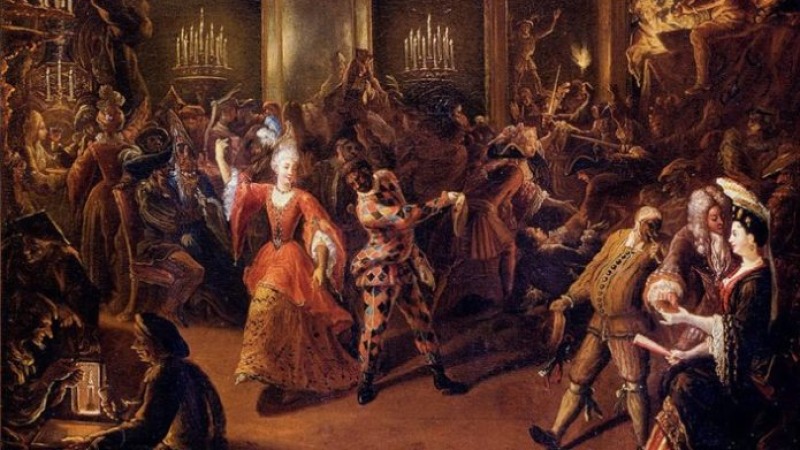
There is something special about carnival season. As winter slowly fades, the most colourful and lively period of the year arrives: masks, laughter, costumes, balls — and of course doughnuts in unlimited quantities!
Carnival through ancient eyes
Masks, noise and the awakening of nature preserve memories of ancient rituals about the connection between humans and nature. Masked disguises, noise-making and transformation were already present in early Hungarian and other nature-based belief systems.
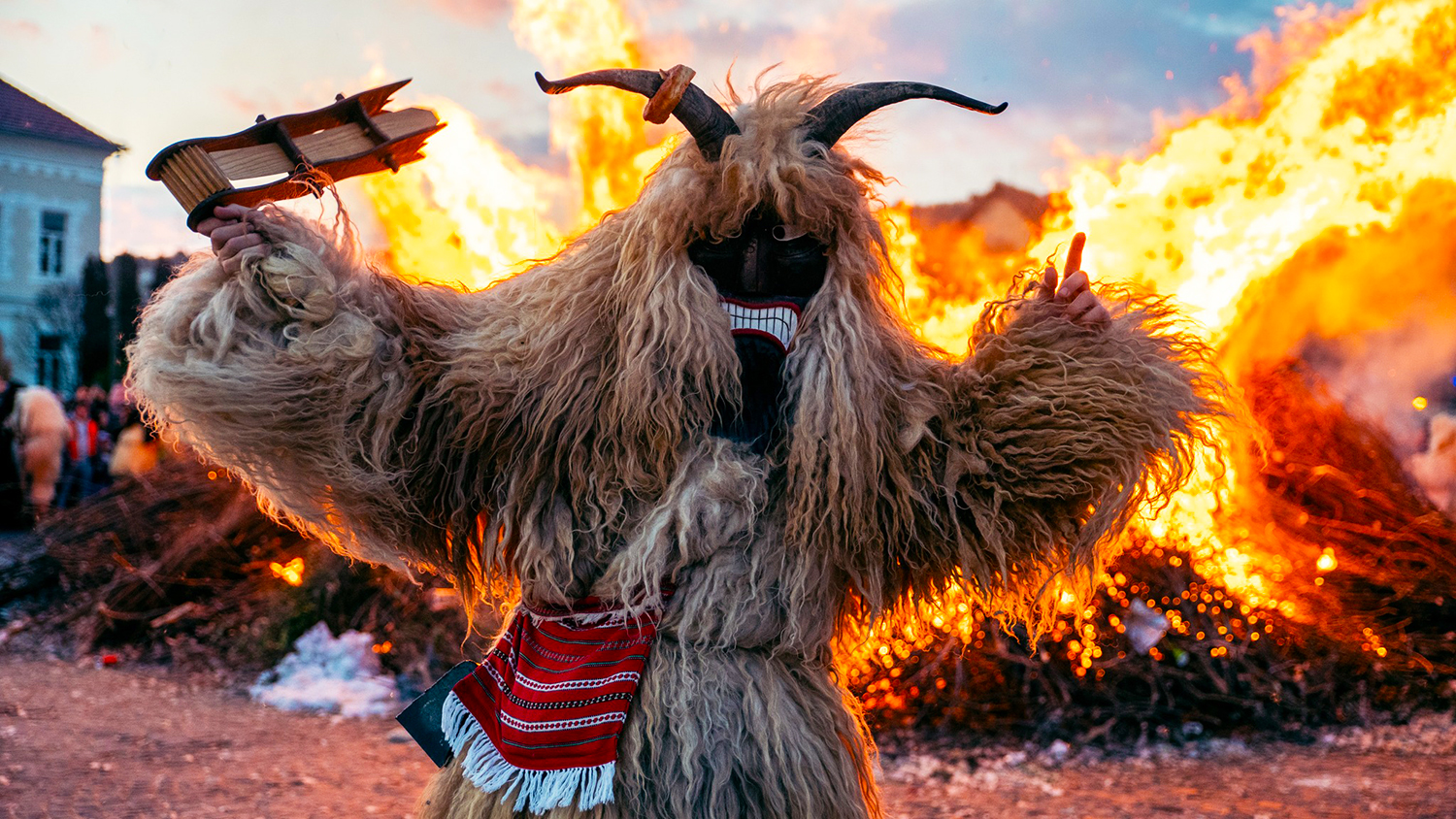
In shamanic traditions, the mask was not mere decoration but a gateway between two worlds: between humans and nature spirits, winter and spring, ending and renewal. Noisy carnival parades — bells, drums and shouts — originally aimed not to entertain but to drive away winter, darkness and illness.
In early belief systems, transformation was not extraordinary but a natural part of renewal. Carnival season therefore represents not only celebration but transition — preparing people for spring and the tasks of a new cycle.
This phenomenon also reflects the cyclical rhythm of nature. At the boundary of winter and spring, nature itself is in transition: old forms disappear while the first signs of rebirth emerge.
Where does carnival come from?
Traditionally, carnival lasts from Epiphany to Ash Wednesday and, according to folk belief, marked the farewell to winter and the welcoming of spring. It was the last great celebration before Lent: feasts, dancing, joy and a touch of a “world turned upside down”.
Hungary’s best-known carnival tradition is the Busó procession of Mohács, where frightening masks and loud noise are used to chase winter away. Since 2009 it has been listed as UNESCO Intangible Cultural Heritage and since 2012 it has been considered a Hungarikum. Today it attracts tourists and photographers alike.
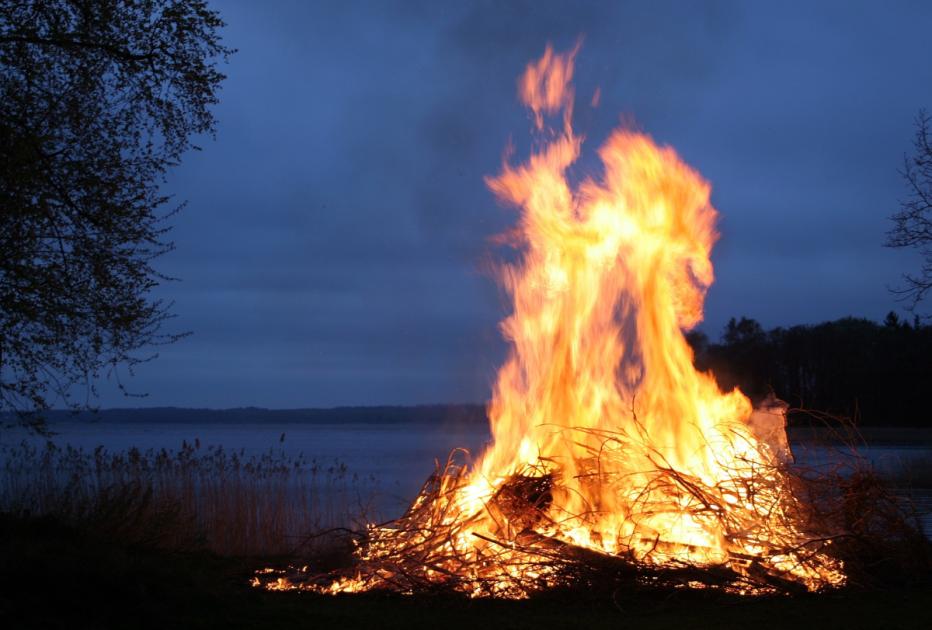
Another traditional custom is the Kisze ritual: a straw figure, usually representing a girl, connected to driving away winter and welcoming spring. Children and young people make the figure and march to the square with noise-making instruments while chanting winter-banishing rhymes such as:
“Out with sickness, in with health!”
Carnival traditions around the world
Carnival is important not only in Hungary but across Europe and beyond. The Venice Carnival in Italy, the Rio Carnival in Brazil and the carnival season in Germany all represent unique expressions of this festive tradition.
Carnival balls and festivities
Carnival traditions also relate to courtship: girls who were not married by the age of twenty were often teased. This playful mockery gave rise to customs ridiculing “old maids”. It is therefore no surprise that balls and festive gatherings became central events of the season.
In aristocratic courts, luxurious masked balls created an elegant and mysterious atmosphere. These occasions served not only entertainment but also social networking and relationship building.
In villages, festivities were more relaxed and cheerful, often providing opportunities for young people to meet and choose partners. Comic scenes, folk games and performances symbolised the farewell to winter and the welcome of spring.
The playful spirit of courtship and spring anticipation still lives on in Hévíz today — in a modern form. During Valentine’s weekend, the town welcomes couples with the HÉVÍZ – City of Kisses programme, featuring romantic kiss benches, photo spots and loving surprises.

Carnival today: tradition + trend
Beyond traditional balls, carnival continues in new forms:
-
themed parties (retro, movies, fairy-tale heroes)
-
creative kindergarten and school costume parades
-
“Instagram-friendly” decorations
-
DIY costumes and recycled solutions
The emphasis is increasingly on self-expression and experience — not on how traditional something is, but how joyful it feels.
The sweet highlight: doughnuts
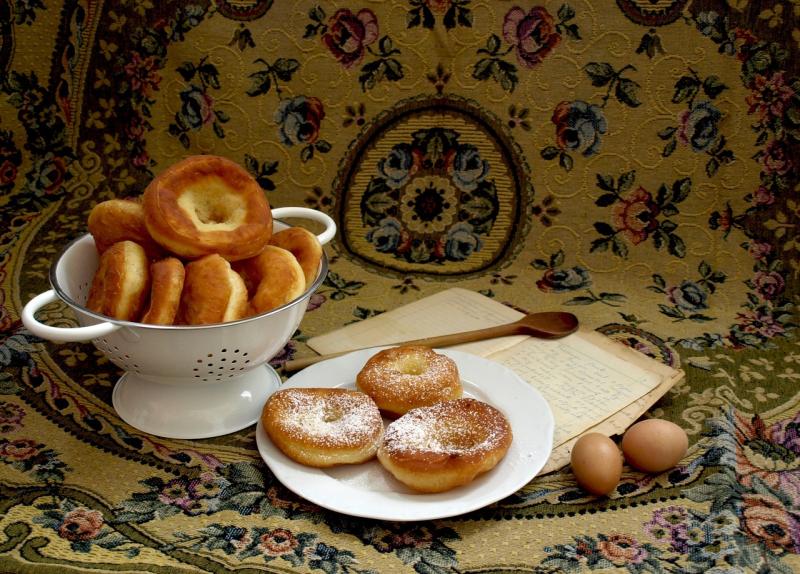
The classic Hungarian carnival doughnut remains a favourite, but in recent years the doughnut season has reached a new level:
-
filled, glazed, chocolate or pistachio varieties
-
oven-baked “light” versions
-
vegan and free-from options
-
home doughnut baking as a community activity
Today, doughnuts are not just dessert but an experience: baking together, experimenting, sharing — and photographing them before they disappear.
Carnival season in Hévíz also offers culinary fun and a lively community atmosphere. The Women’s Carnival at the Market event is a true festive whirl: a cheerful costume morning, doughnut fair, costume contest and traditional music await visitors. Participation is free, and women even receive small treats along with mulled wine or tea.
Why do we love carnival so much?
Because it allows a little freedom. We can be someone else for a night — playful, childlike and loud. Carnival reminds us that at winter’s end we deserve laughter, sweetness and a little chaos.
Perhaps that is why it still works today: tradition and modern trends meet here — in a powdered-sugar smile.