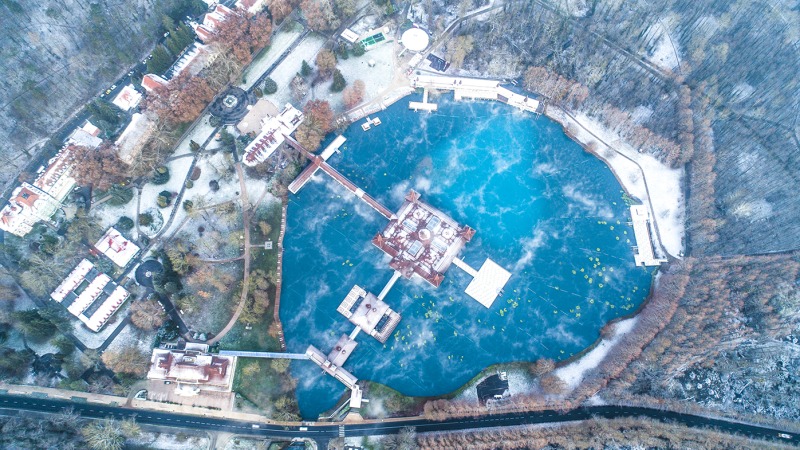
Lake Hévíz and the spa settlement built around it rank among Europe’s best-known health tourism destinations. The recently announced architectural design competition for the comprehensive renewal of the Hévíz Lake Bath and the Saint Andrew Rheumatology Hospital initiates a development process that may decisively shape both the region’s tourism competitiveness and its long-term sustainability.
World Heritage ambitions and international positioning
One strategic objective of the development is to prepare Hévíz to qualify for UNESCO World Heritage recognition.
World Heritage status carries more than prestige: it significantly increases international visibility, strengthens destination brand value, and can attract new visitor segments with higher spending capacity.
Such recognition is particularly important in the health tourism market, where credibility, uniqueness, and protection of natural assets represent key competitive advantages.
Integrated spa destination development: the importance of a holistic approach
The design competition outlines three interrelated development phases:
-
renewal and expansion of the Lake Bath and its associated buildings,
-
modernization of hospital functions,
-
reconsideration of tourism function units.
This structure goes beyond building renovation: it aims to renew an entire spa destination ecosystem. In modern health tourism, medical treatment, recreation, prevention, and guest experience function as an integrated whole.
Sustainability and heritage protection as guiding principles
The competition requires solutions that simultaneously ensure value preservation and value creation while meeting sustainable operational and economic criteria.
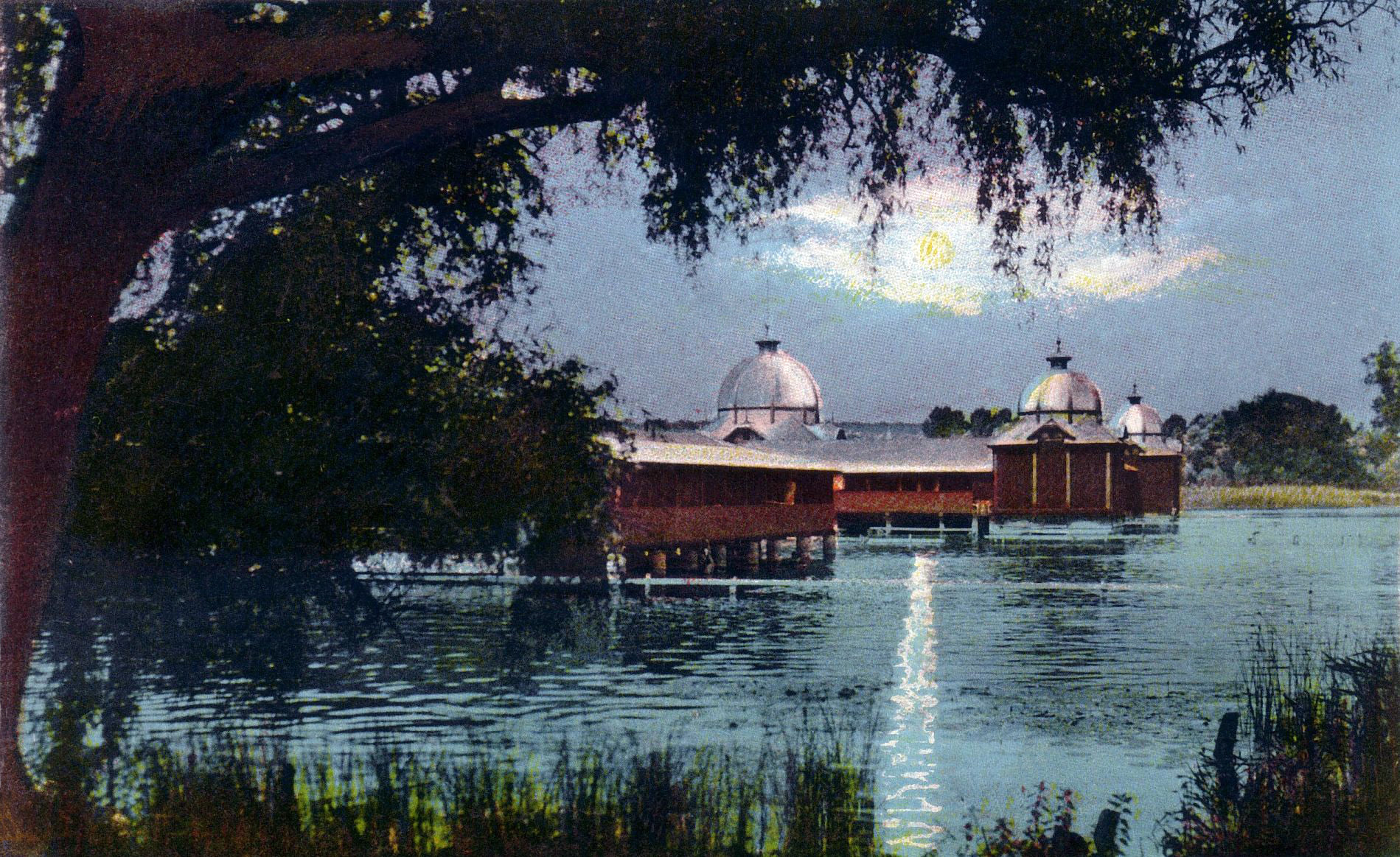
The goal is to establish an architectural and operational model that preserves historical character while serving contemporary tourism and recreational needs.
This aligns with international spa development trends emphasizing energy efficiency, reduced environmental impact, and protection of natural resources.
Guest experience and infrastructure: the spa of the future
The planning process aims to create a high-quality 21st-century service environment supporting healing, relaxation, and experience-based tourism.
Enhancing the guest experience is expected to include:
-
modern, accessible infrastructure
-
comfortable, weather-independent usability
-
contemporary wellness and recreational services
-
nature-based experience solutions
-
digital and smart service systems
Implementation will proceed in phases while maintaining continuous operation, allowing the spa to receive guests during development.
Competitiveness and destination management
The tourism performance of Hévíz has historically been closely linked to the operation of Lake Hévíz and the Lake Bath. During earlier growth periods, the thermal lake functioned as the primary attraction, with services, accommodations, and complementary tourism offerings developing accordingly. During periods of coordinated regional cooperation and joint branding, visitor growth was accompanied by a stable and predictable operating environment for tourism stakeholders.
Although international health tourism demand declined during the pandemic, traffic has gradually recovered, and visitor numbers in Hévíz are again reaching 2019 levels. Recovery is uneven: currently, smaller room providers and private accommodations require stronger market support.
In this context, the destination’s core attraction, the Hévíz Lake Bath, gains heightened importance. Strengthening quality offerings and stabilizing visitor numbers may indirectly support lagging market segments, especially if service providers integrate into the renewed tourism offer through coordinated destination-based cooperation.
The renewal of the Lake Bath and its associated spa infrastructure extends beyond architectural investment: it can reinforce the bath’s central role, improve guest experience, and stimulate the entire service value chain.
A modern, sustainable, and year-round comfortable bathing environment increases length of stay, supports higher value-added services, and strengthens regional cooperation.
The future role of perception of the lake and the spa
Lake Hévíz is not only a natural asset but the foundation of the town’s tourism identity. Travel decisions are strongly influenced by the image formed through media coverage, social platforms, and shared personal experiences. Balanced and credible communication strengthens trust, while excessively negative narratives may create uncertainty among potential visitors.
The development process currently being prepared offers an opportunity for Hévíz to strengthen its position among European spa destinations by building on the preservation of natural assets, modern guest expectations, and sustainable operation.
The renewal of the Lake Bath, the complex development of the spa destination, and strengthened regional cooperation can provide a foundation for tourism success in the coming decades.
Future success depends on implementing developments on professional foundations, involving the local community, and prioritizing the destination’s long-term interests. This approach can strengthen trust among visitors, residents, and tourism stakeholders, helping Hévíz remain a leading European center of high-quality health and recreational tourism.