
Where wine is more than just Olaszrizling
A Hidden Gem of the Balaton Uplands
Just ten minutes from Keszthely, Rezi’s vineyard hills mark the meeting point of the Balaton Uplands and Zala County. Locals fondly call it "the land of Rizling" — a name that reflects both tradition and character. Olaszrizling has long been the defining grape of the area, but here it takes on a unique personality, thanks to the region’s exceptional microclimate:
South-facing slopes ideal for viticulture, higher rainfall from the nearby Alps, and the balancing effects of Lake Balaton and the Zala Hills. These natural factors create cooler nights, longer ripening periods, and wines known for their elegant acidity and rich aromas. But what truly sets Rezi apart is scale. This is not industrial winemaking. Here, small, family-run wineries produce limited batches of handcrafted wines. The winemakers personally tend to their vines, ferment, and bottle their wines with care — each with their own time-honored techniques.
Alongside classics like Olaszrizling, Pinot Gris, and Kékfrankos, more and more winemakers are experimenting with rare Hungarian varieties such as Nektár, Zengő, and Rozália.
Three wineries from “the land of Rizling”
Whether you visit individually or as part of a wine tour, these three wineries offer authentic, personal tasting experiences. Advance booking is required.
Takács Zsolt's Winery – Stepping into the 18th century
The Takács family has been making wine on these lands since the 1700s, even supplying the noble Festetics family. Today, Zsolt Takács represents the eighth generation, carrying forward this legacy with passion and pride. On his one-hectare estate, cultivation is done by hand with the help of family and friends. Beyond his role as a winemaker, Zsolt is a gifted storyteller, sharing the rich history of Rezi’s wine culture. The winery’s flagship is Nektár, a unique Hungarian variety with Hungarikum status, available in both dry and semi-sweet versions.
The lineup also includes Zengő, Tramini, Chardonnay, and Kékfrankos — each crafted with modern tools but traditional, natural methods, highlighting Rezi’s unique terroir.
Contact:
Imagine a tropical sea where the dolomitic peaks of the Keszthely Hills now rise. The landscapes we consider timeless are, in fact, fleeting guests on Earth’s ever-changing stage. How does a shallow tropical sea become Hungarian highlands? Why does dolomite crack? And how does this still influence local farming today? Travel back millions of years into a story written in stone. Mountains, plains, islands, seas, rivers, and lakes may appear permanent within a human lifetime — but from Earth’s perspective, they are only temporary scenes. The rocks that form our planet’s surface are constantly in motion. Like the shattered shell of a boiled egg, tectonic plates drift endlessly atop the semi-fluid mantle beneath them. Some crash together or sink beneath one another to create towering mountain ranges, while others subside, forming deep trenches or basins that may fill with water. That’s how the dolomite and limestone now forming the Keszthely Hills were once deposited — in the shallow waters of an ancient tropical sea, thousands of kilometers from their present location and long since gone. The scene would have resembled the crystal-clear shallows of today’s Bahamian paradise. While the northern block of the Keszthely Hills is made of relatively young (a few million years old) volcanic rock, the southern section — including Rezi and Cserszegtomaj — is dominated by much older dolomite, formed in those ancient tropical seas. Alongside widespread formations of so-called Main Dolomite, small patches of Rezi Dolomite can also be found — dating back over 200 million years. The Keszthely Plateau is dissected by a north–south valley system and crisscrossed by micro-tectonic fault lines. Due to the shallow topsoil and varied terrain, more than 70% of the area is forested. Its karst surface experiences year-round water scarcity and has unique ecological features. The plateau is divided by intermontane basins and bordered by deep tectonic fractures (such as the Hévíz and Ederics faults), making the area seismically sensitive. Soils formed on the debris of weathered dolomite provide the natural foundation for land use in the region. Several of our local producers cultivate land along the western edge of the Keszthely Plateau, where farming is defined by the proximity of a highland landscape — a plateau formed of horsts rising 350–440 meters, framed by tectonic fault lines.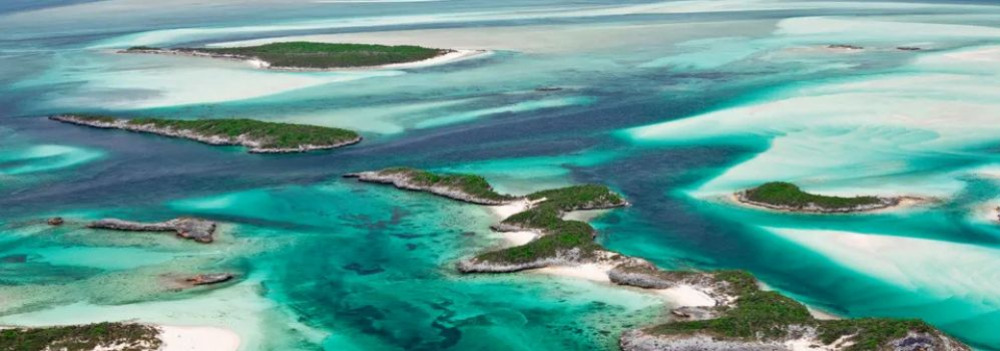
The Surface: Only Seemingly Permanent
Volcanoes in the North, a Tropical Sea to the South
Geology and Today’s Land Use