tartalom:+ 1 Tomb of the Roman soldier The tomb of the Roman soldier, or the late Roman brick-tomb is located in the Egregy part of Heviz. The tomb was made out of bricks with quicklime.It has been discovered in 1925 when doing earthworks and it was fully intact. The objects found in the tomb were from the era of the Roman imperator Constantinus II. Bronze belt decoration, cloth clamps, knife made of iron, coins of the imperator and of course the skeleton of a Roman soldier were found. The findings were placed in the Balaton Museum located in Keszthely, and the skeleton was left on its place. In 1931 the ruins of a Roman cottage of the early Augustan age were discovered a few hundred meters to the East of the tomb, in the neighbourhood of the Villa Rustica excavated between 2001 and 2004. The house was built at the end of the 1st century. The findigs suggest that the building must have been richly decorated and it was still in use in the 4th century. When digging in the backyard of one of the houses of Egregyi Street a brick burning kiln was found. The items discovered in the neighbouring area testify that man of means have been staying here long time ago. For example on the way to the church to the Arpadian age there was a clay pot found, and there were 276 pieces of Roman coins from the 4th century in it. Look around in our 3D tour! Roman ruin garden Even the ancient Romans discovered and used the lake of Hévíz. This is shown by the roman ruin garden located at the end of Attila Street, which was completely renovated in 2011. The remains of the roman villa from the early Imperial times were discovered in 1931 and then the building of Villa Rustica was excavated between 2001 and 2003 in its vicinity. The house was built at the end of the 1st century. According to the findings it must have been a richly decorated building and it was used even in the 4th century. At the turn of the 1st and 2nd centuries a large stone building was erected in its place which was 45 meters long and almost 23 meters wide, therefore more than 1000 square meters. The building had a porticus (columned porch) on the eastern side and some pools with warm, lukewarm and cold water. But it is not certain whether the building was the residential building (villa urbana) of the villa-farm, since there was no evidence of central heating. The building is believed to have been ruined towards the end of the 2nd century, but in the 3rd century it was rebuilt with other interior design. Even a Mithras shrine was built in. The foundation stone of the altar was discovered during the excavation. The shrine and the building were destroyed in the 4th century, but soon it was rebuilt. At the beginning of the 5th century it was ruined completely. The function of the building is uncertain also in this period. Probably it was used for some kind of economic activity. Look around in our 3D tour! Flavius wish ribbons at the ruins of Villa Rustica Hundreds of wishes written on ribbons make the Roman ruin garden, located at the Museum of Egregy at the end of Attila Street, decorated. Placing colourful ribbons revive a Roman legend. The most well-known Hévíz legend about the formation of the lake and its miraculous effect is linked to the Roman Emperor Flavius Theodosius. According to the legend, Flavius suffered from infantile paralysis. Every day, his Christian nurse prayed to Virgin Mary asking for the boy’s recovery. Virgin Mary answered her prayers and brought forth water. A whole lake was formed from the thermal spring. The nurse bathed the ill child in the water of the lake regularly. Miraculously, Flavius got over his illness by the help of the water and became a strong, healthy ruler, the emperor of the Roman Empire. Out of gratitude, he declared Christianity the official religion throughout the realm in 391. The legendary curative lake is none other than Lake Hévíz, in the water of which thousands of patients have been healed and have regained the pleasure of healthy movement since then. Local collections In Hévíz you can find recreation facilities not only for your body but for your mental condition as well. In the course of a nice afternoon walk it is worth visiting the Hévíz Museum Collection, which can find above the Fontana Cinema in the walking street. The permanent exhibition allows visitors to get insight into the 210-year past of Hévíz in the room of the local history. Visitors can also see the memorial room named after dr. Károly Moll, which was set up in commemoration of the famous doctors from Hévíz. In the Museum there are also some temporary exhibitions to be visited apart from the permanent one. The Museum’s permanent exhibitions are “History of Hévíz”, “Memories from Hévíz Spa”, ”Medical History Memorial Room for Senior dr. Károly Moll” and “Exhibitions of artist József Simon”. The outside front of the building is decorated with the work named “Spring” by Munkácsy Prize awarded ceramic artist János Németh. The Museum is open for visitors between 10 a.m. and 6 p.m. from Tuesday to Saturday. There are no admission fees. If you come to Héviz for a fairly long time and you also consider cultural programs important during a medicinal cure, the Zsigmond Móricz Town Library might be interesting for you; you can borrow books both in Hungarian and foreign languages there. Beside the Museum you can also find temporary exhibitions on several other spots of the town, for instance, in the Gallery of the Fine Arts of the Aquamarine Hotel there are exhibitions regularly, where tourists can meet artists in person at the opening of the exhibitions or in the Show Room of the Magyar Csárda Restaurant being in service for more than 15 years, and major hotels also organize exhibitions of fine arts on temporary basis. The exhibitions may be visited free of charge. And once the Fontana Motion Picture Theatre has been mentioned, we recommend the cinema as an entertaining evening program for young visitors. Having a cinema is quite unusual in the area, as there is no cinema even in Keszthely. The cinema has a seating capacity of 104 persons. Recently new digital technology equipment has been installed; as a result, both the video and the sound technique meet the most modern requirements. However, we should warn visitors not to expect the standard of multiplex cinemas but they should imagine a nice cinema typical of small towns. Have fun and enjoy mental recreation. Look around in our 3D tour!
title:
description:
címkék: ;Egregy;Hévíz;Cinema;Museum of Egregy;Museum;Inner City Museum;
Learn about the most important wellness treatments
Találati relevancia adatok
megtalálta: szöveg (1) | összesen: 1 pont
Tárolt adatok:
cím: Wellness ABC
lead: Learn about the most important wellness treatments
tartalom:+ 1 To evolve a conscious lifestyle is necessary to carry about the body, nut just the soul. The wellness treatments can help you a lot.We collected the most important wellness treatments, cure types for you. Acupressure Acupuncture Anti-aging Aquarobic Aroma light-therapy Ayurveda Balneotherapy Caldarium Fango Jacuzzi Jogging Chinese massage Cleopatra-bath Kneipp steps Laconium Lomi Lomi Nui Lymphatic massage Qi-Gong Paraffin treatment Shiatsu Step Aerobic Stretching Sole massage Thai massage Thalassotherapy Yumeiho Acupressure In the course of the acupressure, the particular points of the body are massaged with finger pads or nails. As a result, the direction and the intensity of the flow of the chi, that is a vital force, in the meridians will be restored to the normal and healthy channel. Acupuncture Human has around 360 main acupuncture points, and through these points, certain disorders of the body may be stopped by using acupuncture needles. The acupuncture is quite effective against pains and it also stimulates blood flow, stabilizes circulation, increases the body energy level and improves the general state of health. Anti-agingIt comprises treatments which help you remain fit and young, including stress relief, exercise therapy, beautician techniques, change of eating habits, vitalizing substances, brain training, change of lifestyle, and many others. AquarobicIt is gymnastics performed in water and accompanied with instructions and mostly with music, which is protective to joints but it is also featured of training and massage as it requires force against the water pressure. Aroma light-therapyIt is not the scent what is primarily used in aroma-therapy treatments but the volatile oil extracted out of plants. Volatile oils have certain components that get locally active within the body and perform only a secondary effect through smelling.With lighting during the light therapy colored light penetrates deep into the skin so that to stimulate the positive reactions of the cells to everyday complaints and mental disorders. AyurvedaThe Ayurveda is an ancient Indian system of medicine and philosophy at the same time, which aims at the individual instead of the treatment of disease or symptoms by consideration and comparison of the individual habitus, climate, the seasons of the year and parts of the day, lifestyle, diet and many other aspects. BalneotherapyThis is a kind of treatment with medicinal water or so-called thermal mineral water not classified as medicinal water yet. It comprises drinking cure with such waters, inhalation, mud treatment, carbonated baths, and medicinal baths. CaldariumThis is one of the facilities used in Roman baths, which means hot water bathroom. The caldarium, usually tiled or covered with marble, in which people usually stay for 30 to 40 minutes, poses less burden on human organism than a sauna due to the lower temperatures (40-50 °C) and the humidity of the air (70-100%). FangoMud pack from ground volcanic rock is applied to a certain part or the whole of the body. Fango is capable of holding heat for a long period, rich in minerals and free of organic substances. It has been used for the treatment of rheumatism for centuries, and it is also used for beautician purposes. JacuzziThe water-jets directed to the particular points of the body and the massage promotes full relaxation. Due to the intensified blood circulation your body will get more oxygen so you’ll feel fit. The pores of skin get larger and due to the intensified blood circulation, your skin will be purified from toxins. As a result, the skin will be firmer and more elastic. JoggingJogging combines all the benefits of walking; it conditions the heart, improves muscle tone and strength, relieves stress, and can help with a variety of health problems, such as osteoporosis, heart disease and arthritis. Chinese massageThe Chinese massage may be considered as a kind of acupuncture combined with stretching. The massage may consist of various parts. It may refer to the spine massage and the Chinese head massage aiming at the head and neck. During the massage, the acupuncture points are treated as well. The Chinese massage also includes the stretching of muscles or joints. Cleopatra-bath Cleopatra, the Egyptian Queen did her best to fight ageism; she tried to make her skin soft and healthy by having a bath with donkey milk in it. The beauty care products named after her suggest having a bath with a mixture of milk and vegetable oil. These products are based on the conditioning and nourishing effects that milk and vegetable oils have on the skin. Kneipp stepsYou tread cold water stepping on pebbles placed on the bottom of a tub while walking around. The legs are lifted out of the tub at every step so that the cold water and the warm air will provide the contrasting bath character. The pebbles gently massage the reflex zones of the soles initiating a certain regulatory process. LaconiumIt is a cool version of the Finnish sauna. The temperature may not exceed 55 C° and the degree of humidity is insignificant. It enhances congestion and supports the immune system. Lomi Lomi NuiThis traditional Polynesian massage is one of the most pampering therapies of the Hawaiian kahunas. The massage starts by rubbing the body with “ti” leaves, and the body is heated with hot stones. Then while the lomi-lomi masseur is dancing with traditional dance-steps, imitating the steps of a frigate bird, around the nearly naked body of the patient, lying on the massage bench, he is giving the treatment, which means soft smoothing and kneading motions of the pad of his/her forearm and palm. Finally, he/she completes the massage with a ritual ablution of the body. Lymphatic massageThis is a special kind of massage that makes lymph fluid drain away. The lymph flow may be stimulated along the lymph vessel by smoothing with gentle pressure, thus the tissues may be purified from the roughage. As a result, the skin becomes cleaner, better supplied with blood and firmer. This massage activates the immune system, promotes the recovery of the cells and tissues and reduces the susceptibility to inflammation. It is highly recommended as an additional treatment to detox cures. Qi-GongIt is a generic term to mean a wide range of heath-preserving practices. This ancient method combines the mental concentration, breathing technique and physical exercise so as to enhance and maintain your vital energy. The technique requires regular practice but it is easy to acquire for any age group depending on the fitness level of the individual. Paraffin treatmentAfter smearing your skin with thermo cream you should apply the heated paraffin, which will harden on your body. This will temporarily hinder the skin respiration promoting the absorption of the cream full of effective substances. The paraffin pack contains alga, which is a fat-dissolving agent with high iodine content. It makes skin spectacularly firm, smooth and velvety. ShiatsuShiatsu is based on the ancient Japanese medicine and philosophy, but it has also been affected by the modern western medicine. It is suitable for preventing diseases, locomotor and mental disorders or just for a pleasant sensual and spiritual journey in the universe of your inner self. According to the Taoist philosophy the energy – prana, qi or chi – flows continuously both in the universe and in human body. The therapist treats the patients on the acupuncture spots along the meridian lines because these spots provide access to the various organs. Step-AerobicStepping on and off a platform may enhance the development of the balance between the energy level of the sigh tensors and flexors. Such balance plays an important role in the prevention of certain sports injuries. In well-organized step training the choreography and the step combinations match the rhythm of the music used for the training. StretchingIt means a set of stretching and relaxing exercises. Painless muscle system of good tone is required for coordinated injury-free motion. While being used, muscles perform repeating motions of a small extent, that’s why they tend to grow stiff soon. These exercises help you loosen your stiff muscles of poor tone. Sole massageIt has been used in Asia for five thousand years and nowadays we can see its revival. It protects and improves your physical and mental health without any side-effects within a short period if time. It helps you prevent diseases and stimulates the self-healing mechanism of the organism. Massaging the sole opens a way to affect the central nervous system, circulation and internal organs as it is extremely rich in nerve endings. In the reflex zones related to the particular organs, crystalline lumps of various sizes may be felt which could often be sensitive or even painful. The aim is to rub off these deposits and detoxify the body, improve blood circulation and stimulate the self-healing capacity. Thai massageAn Indian medical man was the first to use this technique in Thailand 2500 years ago. In the course of time it changed but it has preserved its bases up to this day. The massage is carried out with hand, elbow, sole or knee along the so called meridian lines connecting the acupuncture spots. You can enjoy this massage wearing a comfortable cotton T-shirt and cotton trousers. It has a relaxing effect, reduces tension and pain and affects muscles, interstitial tissues, joints, the autonomic nervous system, organs, blood circulation as well as the lines and spots harmonizing energy. Thalasso therapySince the mid-19th century the thelasso therapy - -derives from the Greek word "Thalassa" = sea – has combines the holistic and the wellness experiences for the body and soul. A French doctor called La Bounnadiére was the first to use the designation in 1867, and since then it has been associated with soothing and regenerating effects of the therapy applying sea water, seaweed and sea climate. YumeihoYumeiho is a kind of massage originated from Japan. It was created by Sajoni Masayuki, who used the elements of martial arts of Chinese Buddhist monasteries. The masseur kneads the body thoroughly, stretches the joints and loosens the blocks to make motion and energy flow free. The treatment combines the techniques of acupressure and the manual therapy with eastern physical exercises.
title:
description: Learn about the most important wellness treatments
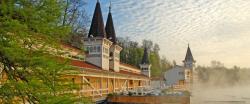
tartalom:+ 1 The parts of the Hévíz Bath nowadays Entrance of the Lake with the cherub statues on the dr. Schulhof Vilmos Promenade. Central Building with 4 indoor pools and rooms and terraces for relaxing. Easily accessible from the direction of Festetics Spa on a floating corridor which was built on the Lake on poles. Festetics Spa, the southern entrance of the Lake which is accessible from Ady E. street. This is the newest building of the Lake where the wellness services are available. Mud pools which are located in the Lake just between the Central Building and Festetics Spa. The entrance from Deák Square also known as the Summer Entrance because it is only open seasonally. The summer dressing room, which stands on the eastern shore of the Lake. It is a building made of wood which is located next to the sunbathing terraces. The „Medve” sunbathing terrace is a separated sunbathing terrace on the southern east part of the Lake. Dr. Schulhof Vilmos Promenade The Promenade is part of the park, located around the thermal lake. The Dr. Schulhof Vilmos Promenade is starting from the “Indoor bath” („télifürdő”) building, located at the end of the pedestrian zone and it leads to the main entrance of the thermal lake. Hévíz Lake is situated on one side of the Promenade, which is shaded by sycamore trees and bordered by benches, while on the other side we can find the historical buildings of Szent András Reumakórház (Saint Andrew’s Hospital for Rheumatic Diseases). These buildings were built in the 1870s and they were transformed into the current two-storey structures in the beginning of the 1900s. Each house got its own history.
The Art Nouveau style building is located at the northern part of the „Újtelep”, an area established by the Festetics Family. It was named after György Festetics, founder of the town of spas. Currently the György House is accommodating the “A” Building of Szent András Reumakórház (Saint Andrew Rheumatologic Hospital).
It was named after Ferenc Rákóczi the Second, as the building was built in 1863 and the ashes of Ferenc Rákóczi were brought back from Turkey to Hungary in the same year. Currently the Rákóczi House is accommodating the “B” Building of Szent András Reumakórház (Saint Andrew Rheumatologic Hospital).
The building was named after Ella Karola, who was the daughter of Tasziló Festetics. Currently it is accommodating the “C” building of Szent András Reumakórház (Saint Andrew Rheumatologic Hospital).
If we carry on towards south, the next building is a restaurant and assembly hall. The border of the Festetics Estate stretched to this building; this was the first house built from stone. It was built at the end of the 1860s for accommodating guests of the thermal bath. An additional storey was added to the building in 1909, and it became a “Cure Saloon” („Kúrszalon”), which at the time was necessary at bathing resorts. Currently the assembly hall of Szent András Reumakórház (Saint Andrew Rheumatologic Hospital) can be found here.
Francis Joseph – the King of Hungary and Austrian Emperor- made Festetics (II.) Tasziló into prince in the year of the building’s handover, who was the builder of the building. Therefore the choice of name for the building. Currently the Francis Joseph House is accommodating the “D” Building of Szent András Reumakórház (Saint Andrew Rheumatologic Hospital).
The building was built based on the plans of Ferenc Lonkay, the manorial architect of the Festetics Family in 1870-71. The house was part of the “Újtelep”, where the houses were serial numbered. Therefore the choice of name for the building. Currently a hotel is operated in the building under the management of Hévíz Medicinal Spa and Saint Andrew Hospital for Rheumatic Diseases.
The original name of the building was Tasziló villa, but after the death of Prince Festetics (II.) Tasziló it was renamed to Deák House after Ferenc Deák.
The history of the Hévíz Bath Spa Hévíz between 1795 and 1905 The first rectangular bathhouse, consisting of two buildings, was built in 1795 by the landowner Count I. Festetics György. The news on the benefits of the medicinal water reached Vienna in 1801, and the presence of the white water lilies in the lake was already mentioned in a memoir in 1818. Additional Indian species were planted to these water lilies in 1898. In 1858, afforestation around the lake, modernisation of the spa buildings and development of the lakeside buildings for guests started. In the centre of the lake, the male and female mirror baths (baths surrounded with cabins) were located, but many people still used the sluice of Hévíz, which was wider that time, for swimming. Spa Hévíz in the 1910s and 1920s From 1905, leaseholder Reichl Vencel did his best to develop Hévíz into an international spa town. The former bathhouse was replaced by a domed building, and it is also due to him that a number of modern accommodation and restaurants, and the „Cure Salon”, essential to the health resort, were built. In 1907, on the site of the old built bridge, a roofed bridge was erected and the characteristic two-towered main entrance was completed. In the same year, the Sanatorium and Spa Hotel of Hévíz was built. In 1911, the town received the „spa resort-like settlement” title. Spa Hévíz in the 1930s After 1926 development started up again. The characteristic lakeside bathhouse was built, as well as the main building received a glass roof in 1932 and thus it became completely covered. In 1930, there was already 7 hotels, 11 restaurants and 40 villas in the village. Varied cultural life awaited the almost 16 thousand guests who came her annually. In these years of happy peace time Dr Schulhof Vilmos was the chief physician in Hévíz. He did a lot through his work to popularise the therapeutics of Hévíz. Today, the promenade beside the lake is named after him. Buildings of Hévíz before 1945 Contemporaneously with the completion of the first bathhouse (1795), the „cupping house” used for healing (venesection=scarification) was erected. Whereas the surrounding area of the lake was merely a reedy, marshy area in the first half of the 19th century, from the 1850s a beautiful choice of hotel buildings was built on purpose. In 1870, the Houses I to VII, out of which the House No. Seven was the only two-story building, were already completed. A Roman Catholic chapel was also built (it was demolished later), then in the beginning of the 1900s the hotels, bazaar buildings, as well as the „Cure Salon”, where balls and concerts were held, were finished. Spa Hévíz in the 1950s and 1960s In 1948, the thermal lake and all related buildings and parks, which were owned by the Festetics Family up to that time, were nationalised and the period of state-subsidised holidays began. In 1952, the National Spa Hospital of Hévíz was established and later this year Hévíz was declared a health resort of national importance. By 1968, the country's most modern spa building fully equipped with balneo-therapeutic medical devices. Dr Moll Károly, the internationally renowned rheumatologist physician, who invented the weight bath, started his work during this period. Spa Hévíz in the 1970s and 1980s In the 1970s tourism increased to such an extent – thanks to the western guests too – that the building of additional quality hotels and the rebuilding of the thermal lake buildings were needed. The former domed buildings were replaced by larch-covered, towered buildings from 1977 continuously. The total renovation was completed by 1985, but the visitors could not enjoy the new facility for a long time since it was completely destroyed as a result of a fire on 3rd March 1986. Finally, the new buildings were finished in 1989. Traditional Hévíz Therapy People could read about the beneficial effects of Hévíz medicinal water in 1780 for the first time. Initially, in addition to bathing, only bloodletting was applied as a therapy, the sanatorium was built in 1907 in the village. The first famous doctor of the village was Schulhof Vilmos, who already used electrotherapy and x-rays, in addition to bathing, in the musculoskeletal rehabilitation. From the 1950s the work of Dr Moll Károly put new life into the Hévíz therapy, the country's most modernly equipped balneo-therapeutic bathhouse was completed in the village in 1968. Since then, services have increased with a wide spectrum of treatments, but the basis of the Traditional Hévíz Therapy is still the following: bathing in medicinal water, medicinal mud wrap or mud bath and weight bath by Moll Károly. These can be individually supplemented by drinking cure, medicinal massage, movement-, physio- or hydrotherapy. Kind memories of Hévíz During the last 220 years, the spa resort attracted a number of visitors, who could be celebrities or less famous people, or in exceptional cases even animals, who became famous. Whereas it was quite natural that animals were driven into the water in the 1800s, in 1914, it caused a great sensation when Nelly, the sore-legged elephant was moved to Hévíz. Bathing in muddy medicinal water twice a day was prescribed to the former circus elephant and she performed it with great enthusiasm. The 3-year-old elephant was so popular that she became an extra tourist attraction to the town and the visitors surprised her with basketful of goodies, such as fresh cherries, every day.
tartalom:+ 1 The flora and fauna of the lake is unique due to the temperature and chemical composition of the water. Some species of the Hungarian flora and fauna can only be found here. Water lilies in the lake We may say it with good reason that the most unique plants of Lake Hévíz are the water lilies. The English physician and traveller Richard Bright also commemorated these special flowers in his book from 1815. White water lilies are autochthonous in the lake – although they have almost vanished, but a lot of them can be found in the sluice. In the end of the 1800s several attempts were made to plant various types of water lilies, of which the acclimatization of the Indian red water lily was successfully accomplished. The Indian red water lily was acclimatized in 1898 by Lovassy Sándor, a lecturer of the Academy of Economics in Keszthely.Since then the flower has become a real symbol of the town. Did you know that the home of the red water lily is actually the tropical Bengal, Eastern India? a stem develops even 10 to 20 leaves during a summer? the flowers open late at night and only close the next morning? blooming lasts from June to late November? the flowers are not only aesthetically important, but also play a significant role in decreasing the cooling of the water? the stolons trailing all over the bottom protect the medicinal mud? Little animals In addition to the flora, the fauna of the lake is also very diverse. Small unicellular organisms and vertebrates live here too. They do not disturb bathers, because only those will become aware of their existence who persistently search for them. The lake and its environment make home for plankton-crabs, water-snails, fish, dragonflies, leaf- and rose beetles, and even many species of butterflies. Did you know that 66 kinds of snail live in and around the lake? common carp and tench are autochtonous species of fish? However, you can also meet the mosquitofish, the Prussian carp or the pumpkinseed sunfish. in addition to the edible frog, also the marsh frog and the European fire-bellied toad live here? the European pond turtle, the smooth newt and some grass snakes come sometimes into view in the sedge marsh? the surroundings of the sluice are swarmed by wild ducks in the autumn and spring? The mute swans, black-headed gulls and Eurasian coot can find shelter here in the winter. tourists sometimes can see water shrew, common shrew or European mole? Protection forest, park Everybody takes delight in the colourful sight of water-lilies covering the surface of the lake. The red Indian water-lily was brought to Hungary in 1898 by Sándor Lovassy, the teacher of the Academy of Economy in Keszthely. These days the indigenous white water-lily of the Lake occurs mostly in the drainage canal due to the purification. The strictly protected plants are in bloom from the beginning of summer to the end of November. Water-lilies are significant for two reasons; in one hand, their leaves slow down the evaporation of the lake and on the other hand their runners all around at the bottom of the Lake protect the medicinal mud. The Berki Study Trail still unknown by most people, however, there are several sights worth visiting in the course of a walking tour. The Trail covers the Lake of Hévíz and the surrounding moor as well as its flora and fauna which is unique not only in Hungary but in Europe as well. Under the microscope... Typical plants of the heat spring are blue-green algae, whose certain species are able to live in high temperature because of the special composition of their proteins. Thiobacteria are also typical inhabitants of the lake, they are able to store the sulphur excreted from the water in their cells. Different strains of bacteria living in the lake make the water of the lake antiseptic. Also one of the special species of micromonospora lives in the lake, which is called ‘micromonospora heviziensis’ after its residence – since it has not been known before. It is a powerful protein- and cellulose decomposer, therefore it is an important organism of the underwater soil of the lake. The actinomycetes species also discovered in Hévíz is said to be special as well: it can only be found here in Central Europe. It accumulates iodine crystals in its cells and in their environment.
tartalom:+ 1 The curative effect of the Hévíz treatments A treatment in Hévíz not only serves medical purposes, but is beneficial for prevention and relaxation as well. Adapting to the growing needs of the guests, the lovers of wellness and healthy living may also choose from a wide range of facilities. Rush. This is the world which best describes our lifestyle today. That is why people need to escape from their usual environment from time to time to relax in a peaceful atmosphere where they are pampered by professional and caring hands. Hévíz offers its guests a possibility for getting refreshed, active and passive relaxation alike all the year round. Time halts in Hévíz, the body relaxes by the smothering touch of the thermal water, and people gain new energies. Water is of major importance in Hévíz as it has medicinal power. “If you are having a bath, do it with a calm and cheerful spirit,” says Hippocrates. The warm thermal lake is a special feature of Hévíz, which forms appropriate grounds for every kind of treatment and cures. If you come either for a longer holiday or for a shorter wellness relaxation, you must not leave without having a bath in the thermal lake of Hévíz once at least, and without integrating bath treatments into your tight schedule. Visitors to the town may select from a wide range of facilities, those who prefer warm water bathing less may try pleasure or thermal pools or swimming-pools that are available at various service providers around the town. However, wellness refreshment does not only mean bathing, but also includes active sports. Most of the physical sports activities on offer may be done in the open-air in nature, for example hiking, biking, Nordic walking, horse riding, golf and tennis, or the water-related aqua jogging and aqua fitness. A holiday in Hévíz provides great opportunities for the lovers of passive refreshment to try different relaxation techniques like alternative Eastern body cultures (tai chi, yoga, 5 Tibeti). Wellness feeling also includes beauty care today. The facilities offered by the service providers are so divers and peculiar, and the applied procedures and techniques are of so high-quality that it is not rare for our guests to escape from the rushing weekdays and stay for a beauty weekend in Hévíz. Could you imagine that a “wellness holiday” might include a medical examination, survey of your state of health and a preventive treatment adapting to your state? Hévíz and its personal, natural and material features provide excellent grounds for medical wellness. Medical wellness means a treatment that is supervised by medical doctors. Read Wellness ABC to learn about all the treatments which are available even for you during a wellness holiday in Hévíz. Find the most appropriate ones for you by selecting from the offers of our service providers. Did you know, that word originates from the words „well being”, and „wholeness”? which started in the 1980’s from America?
tartalom:+ 1 THE HISTORY OF THE JEWISH COMMUNITY IN HÉVÍZ BEFORE WORLD WAR I Hévízfürdő, which became world-famous for its medicinal lake, was referred to as Keszthelyi-Hévíz before the First World War. On the western side of the lake, the bathing complex was established in the 1860s, which belonged to the Festetics estate. In the 1920s, the spa community was established in its neighborhood, which, together with the spa complex, belonged administratively to the Hévízszentandras district registry established in 1907. The Jews of Hévízfürdő were closely linked to the Jews of neighboring Keszthely. View of Hévízfürdő Towards the end of the 18th century, the first Jewish residents settled in Hévízszentandrás (then still Szentandrás). The village's first Jew - a certain Joachim - appeared in the 1795 tax census, and the 1798 register mentioned a person named "Isák Jósef". The Jews of Szentandrás belonged to the mother faith community of Keszthely from a religious and administrative (registry) point of view. In the second half of the 19th century, the number of Jews was limited to only a few families and only 2-3 percent of the population. In 1890, 5 out of 240 inhabitants (2.1%), in 1910 8 out of 303 inhabitants (2.6%) were of Israelite religion. Thanks to the booming spa life after the First World War, most Jews lived in Hévízszentandrás in 1930 (23 people, 3.4 percent of the population), while in Egregy, which is further from the spa, there were no Jews since the 1920s. Among those vacationing and seeking healing at Hévízfürdő, however, the proportion of Jews became more and more significant, accounting for a quarter of the visitors (20-30 thousand people) in the summer season. The Israeli guests played an important role in the urbanization of the bathing place, in spreading the bourgeois way of life and cultural customs, while Hévízfürdő also promoted the social acceptance and practical validation of their civil equality. Several of the hotels, shops and restaurants that spread in the spa area were owned by Jewish investors. The Jewish guests' religious needs were met by the Israelite house of prayer, inaugurated in 1910, which was built on the left bank of the drainage channel of the spa, near Ignác Lusztig's restaurant named "Jeruzsálem". During the high season - from the end of May to the end of August - dr. Sándor Büchler, The chief rabbi of Keszthely, often taught from the Bible and the Talmud. The collection of the musical services and cultural performances was used for the medical treatment of poor believers. Mandel's restaurant provided kosher meals for spa guests of the Israeli religion. The Israelite House of Prayer stood next to the left bank of the drainage channel The Jerúzsálem restaurant (later Alsó restaurant) The Reischl family, who leased the spa from the Festetics for 35 years (1905–1940), played a major role in the spa's prosperity - jr. Vencel Reischl, then Imre and Richárd's sons - as well as the Jewish spa doctors who created the foundations of Hévíz spa medicine, dr. Vilmos Schulhof and dr. Ödön Schulhof, and the Christian dr. Károly Moll. Dr. Vilmos Schulhof, spa doctor, rheumatologist and balneologist, worked in Hévíz from 1906. Here, in 1911, he established the second Zander medical institution in Europe, where therapeutic gymnastics using machines was used as a supplement to the spa treatment. Before the First World War, spa doctor Schulhof carried out extensive scientific work to promote the spa in both domestic and foreign interest. His articles were published in numerous domestic and German trade magazines, he was one of the editors of the spa guides published annually by the National Balneology Association, in which he wrote the chapter on the Hévíz Spa. Dr. Vilmos Schulhof laid the foundations of Hévízfürdő with his research, scientific and educational work, and made the spa known abroad. The Zander Institute and its medico mechanical machine line THE HISTORY OF HÉVÍZ JEWISHNESS BETWEEN THE TWO WORLD WARS By the end of the 1920s, the house of worship proved to be small, and it was far from the spa community that was developing at the "American pace". The Israelite church was inaugurated in an ornate ceremony on July 2, 1933, the ceremony was presided over by dr. Sándor Büchler, the chief rabbi of Keszthely, and it was attended by representatives of the secular authorities, many Neolog and Orthodox rabbis, as well as the spa guests. The Festetics principality contributed with real estate, the Reischl Fürdőbérlő Társaság and the Hévízszentandrás spa community, as well as numerous private individuals contributed to the construction through monetary donations. Established as a branch of the Keszthely parish and later becoming independent Dr. Sándor Büchler Chief Rabbi was elected as President of the Hévíz parish, and Dr. Adolf Kertész, a lawyer from Budapest, the organizer of the church construction and an enthusiastic supporter of the spa was elected as the secular president. Among the members of the presidium was Dr. Ödön Schulhof spa doctor, local resident Miksa Singer, and several regular visitors to the spa. The exterior and interior of the synagogue in Hévíz followed Orthodox traditions with the aim of enabling even the more religious of the spa guests to practice their faith. The synagogue was built in 1933 near the lake According to reports from the time, the synagogue was crowded during the Friday evening and Saturday services with Israeli guests seeking spiritual nourishment in addition to healing, whose donations helped maintain the religious life. Among the vacationers, a significant proportion of people were of the Israelite religion. In one of the buildings of the spa walkway, the Kurszalon (Medicine Room), concerts were often organized for the benefit of the Israelite church fund, in which spa guests participated regardless of denominational difference. The church was inaugurated by dr. Sándor Büchler Chief Rabbi Dr. Ödön Schulhof (Vilmos' half-brother) worked in Berlin after graduating from the medical university in Budapest, from where he returned home in 1923, and practiced at his brother Vilmos's Zander Institute in Hévíz during the spa season. His work was already considered pioneering in the decades between the two world wars. In the 1920s, he was the first to use novocaine infiltration to relieve rheumatic and joint pain. As the first X-ray doctor in Hévíz, he also produced outstanding joint and bone X-rays on a national scale. The so-called Bársony-Schulhof "view" X-ray procedure has been used all over the world. Dr. Ödön Schulhof (on the left) and Dr. Vilmos Schulhof (on the right) spa doctors During the census of the Jewish residents of the Hévízszentandrás district registry on April 28, 1944, fifteen Jewish residents were recorded in 4 households in Hévízszentandrás and the spa area. The same number were listed in the list of names made in the Keszthely ghetto on May 26, but only thirteen were listed on the list of those transported to Zalaegerszeg due to labor service calls. Among the Jews of Hévíz, the members of the Freller, Frisch, Simon and Singer families, as well as dr. Vilmos Schulhof and László Ungár were destroyed in Auschwitz, several others (men in labor service) died elsewhere. STARTING AGAIN AFTER THE WAR, DEMOLITION OF THE CHURCH In the intact synagogue, Jewish spa guests visiting Hévíz continued to practice their religion after the war. However, after the death of Dr. Adolf Kertész (1959), the religious life ceased at the end of the 1960s, and the orphaned, decaying building was demolished in April 1977, in connection with the reconstruction of the buildings of the lake bath between 1977-1982. The lake cabinet cover was donated by Imre Simon in 1955 The synagogue was demolished in 1977 On July 2, 2000, the Holocaust memorial ("Hévíz Wailing Wall") was inaugurated on the site of the synagogue in the presence of the Israeli Ambassador Judith Shorer Várnai, which was built with the sacrifices of the city. Holocaust memorial erected on the site of the synagogue Sources used: SZARKA Lajos, Páratlan testvérpár. A Schulhof - testvérek szerepe Hévíz „világfürdővé” válásában. Hévíz: Hévíz Város Önkormányzata és Szent András Állami Reumatológiai és Rehabilitációs Kórház, 1999. első kiadás és 2002. második kiadás DR. SZARKA Lajos, A hévízi zsidóság története. Hévíz: Hévíz Város Önkormányzata, 2000. INFORMATION FOR INTERIOR SPACE OBJECT ELEMENTS The synagogue - or in Hebrew bet hákneszet (house of assembly) - is the central place of Jewish religious and ritual life, where Jewish people gather. The orthodox synagogue in Hévíz was inaugurated on July 2, 1933. The main entrance and two side entrances opened from the western side of the synagogue. The women entered through the side entrance on the left, from which a staircase led up to the upstairs gallery. Women were separated from men. The main entrance and the door on the right were used by men, the latter led to the room in the vestibule where the basin of water for ritual hand washing stood, and the faithful could enter the main entrance vestibule after this had been done. At the inauguration of the synagogue, several commemorative plaques made of precious stones (granite, marble) were placed in the vestibule, two listed the names of those who made large donations to the construction, one indicated the time and main data of the construction (it was built between 1930-33 on the plot donated by the hg. Festetics Tasziló , at the initiative of Dr. Adolf Kertész and his wife, based on the plans of the chief technical advisor Artúr Boros, under the leadership of master builder András Varga and under the supervision of Béla Berényi). On the fourth board were the names of those who supported the Israeli patients who came to Hévíz with bed donations. The fifth - smaller - white marble tablet was erected in honor of Adolf Kertész the synagogue founder, who died in 1959. The wooden-framed plaque of the Israelite Prayer Society of Hévízfürdő was hung in the lobby. This showed the order of services, which started on Friday at 7 pm and on Saturday at 9 am during the bathing season. Among those listed, two large memorial plaques (donors and bed donors) and dr. Adolf Kertész's plaque was placed on the Holocaust memorial inaugurated on July 2, 2000. In the center of the interior stood the bima, or Torah reading platform, from which the designated section of the Torah was read aloud facing east (towards Jerusalem) on Sabbaths and holidays in Orthodox synagogues. The bima was typically decorated with a menorah (seven-branched candelabrum). In the central space - in front of and behind the bima - benches were placed, where the believers took their seats and followed the prayer. On the east side – facing Jerusalem, the former Sanctuary – was the Torah cabinet (or frig cabinet), where the Torah scroll (or scrolls) containing the 5 books of Moses were stored. The Torah cabinet was covered with a decorative Torah cabinet cover made of velvet and silk, with embroidered Hebrew inscriptions and Jewish symbols (Star of David, menorah, olive branch), which was pulled away when the Torah was taken out. Imre Simon and his wife donated a new Torah cabinet cover to the Hévíz church in 1955, the inscription on which referred to the martyrs who were destroyed in the Holocaust ("in memory of our fathers"). Near the Torah booth, the rabbi (from the right) and the cantor, or prayer leader (from the left), had a decorative seat. The seat of the leaders of the religious community was placed near the eastern side. On the high-backed bench preserved from the Hévíz church, The names of President dr.Adolf Kertész, Artúr Boros and József Brüll were marked with enameled plaques. The church was lit by 3 large windows from the north and south, and the narrower windows on the west (entrance) side were the galleries designated for women. The synagogue's small decorative glass window - depicting a blue Star of David enclosed in a white circle - has survived. The interior lighting of the synagogue was provided by the chandelier hanging from the ceiling and the lamps placed on the walls, with bronze and wrought iron wall brackets. A wall arm from the latter also remained. In front of the frigate, there was a perpetual candlestick (nér tómid) hanging from the ceiling, which reminds of the eternally burning fire on the altar of the Church of the Holy Sepulchre in Jerusalem. A separate association (Nér Tómid, or Örökmécs Egyesület) usually took care of keeping the candle flame alive. HÉVÍZ SYNAGOGUE 3D RECONSTRUCTION [zsinagoga3d] Text written by: Dr. Szarka Lajos (PhD) historian. Sources Used: SZARKA Lajos, Páratlan testvérpár. A Schulhof - testvérek szerepe Hévíz „világfürdővé” válásában. Hévíz: Hévíz Város Önkormányzata és Szent András Állami Reumatológiai és Rehabilitációs Kórház, 1999. első kiadás és 2002. második kiadás DR. SZARKA Lajos, A hévízi zsidóság története. Hévíz: Hévíz Város Önkormányzata, 2000. Kép: Fortepan/Album051
Bold flavors, daring spices — mustard like you’ve never tasted before.
Találati relevancia adatok
megtalálta: szöveg (1) | összesen: 1 pont
Tárolt adatok:
cím: Osgyán Mustard
lead: Bold flavors, daring spices — mustard like you’ve never tasted before.
tartalom:+ 1 A symphony of flavors in every jar Handcrafted mustard, grown in Hungary In Hungary, only a handful of producers make mustard from locally grown seeds. Osgyán Mustard is special because its key ingredient — mustard seed — comes from Hungarian soil. But it’s not just about the origin. Osgyán László’s small-batch mustards offer more than twenty unique flavor combinations, blending bold creativity with the soul of Hungarian cuisine. If you love trying new, exciting flavors, these small jars of golden goodness are made for you. A new beginning — One mustard at a time László began his mustard journey after leaving a career in pharmaceutical development. Seeking to break free from routine, he turned a long-time passion into his life’s work. Inspired by French, English, German, and Transylvanian mustards, he studied recipes from Roman times to Jamie Oliver, mixing tradition with his own creative twist. This fusion became the signature taste of Osgyán Mustard. Every mustard is unique Each variety has its own carefully developed recipe and process. Whether spicy or mild, every mustard starts with the same three ingredients: mustard seeds, vinegar, and 100% grape juice. László grinds the mustard seeds fresh for every batch. Flavors are added during cooking, not after, ensuring rich, integrated aromas. Precise temperature control is key: spicy mustards are handled differently than milder ones to perfect the balance of heat and flavor. Local ingredients, honest taste Osgyán Mustard contains no preservatives, artificial colors, or flavor enhancers. Natural ingredients are non-negotiable. László sources pears, onions, horseradish, and pumpkins from local Zala County farmers whenever possible. Some specialty ingredients, like anchovies, are imported but chosen with strict quality standards. Part of the mustard seed supply comes from László’s own fields in Szolnok, Eastern Hungary — the perfect environment for growing mustard. He uses a traditional Hungarian yellow mustard variety for an authentic taste. Product highlights Osgyán Mustard – Over 20 flavors to explore The collection now includes more than twenty flavors, with some staples available year-round and others appearing seasonally. Best-sellers include caramelized onion, parmesan, chili, whiskey, and fig mustards. Autumn brings pumpkin mustard, while Christmas features festive blends like ginger-cardamom or star anise. You’ll also find gluten-free, lactose-free, and sugar-free options — with clear, transparent labeling. While László grows his own mustard seeds in Szolnok, other ingredients like pears and onions are sourced locally. The 100% grape juice, a key element of his recipes, comes from Dobosi Winery in Szentantalfa. Osgyán Mustard isn’t just a condiment — it’s a culinary experience. Enjoy it on meats, cheeses, or simply on fresh bread. Where to buy Hévíz Farmers’ Market More information & Contact: Website Phone: +36 30 912 5541
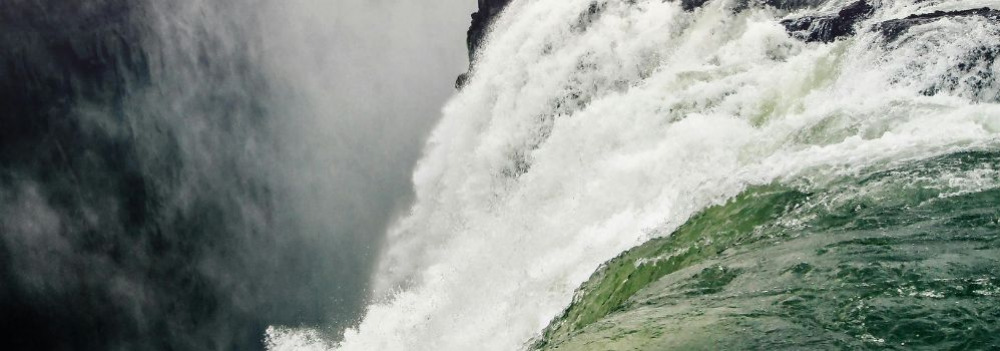
About 10,000 years ago, rapid climate warming triggered a cascade of natural responses: torrential floods, landslides, and intense rock weathering. The landscape we walk on today was not shaped over mere centuries, but by the dramatic forces of climate and water, working together. Did you know that the Zala Valley floor is made up of sediments deposited by a kind of "river of time"? Discover how the Earth’s surface became one of the most sensitive indicators of climate change.
Climate Change: Not Just a Modern Phenomenon
We often associate climate change with contemporary issues, but Earth’s climate has shifted many times throughout its history — sometimes quite rapidly. Within large-scale climatic cycles, alternating periods of warming and cooling have long been part of the planet’s natural rhythm.
When Climate Changes, Everything Reacts
A change in climate sets off a chain reaction of environmental processes. It’s not just animals and plants that respond — so does the landscape itself.
Around 10,000 years ago, as the climate warmed significantly, rainfall became more intense.
More rain meant more erosion: stormwater began washing away sediment from hills and valleys into riverbeds. The rivers, now carrying more water and more sediment, flooded more often and spread these materials across the landscape.
Shaping the Terrain
This had a major impact on topography: the land surface became more fragmented and dynamic. Warming temperatures also sped up chemical and physical weathering, breaking down bedrock and helping fertile soil layers to develop. In short, natural geological processes that had long been underway suddenly accelerated — and reshaped the surface of the land.
Young Sediments at the Base of the Slopes
Today, in many areas of the region, the lower slopes and valley edges are coated with sediment — debris washed down from higher ground, largely within the last 10,000–20,000 years. In the Zala Valley, for instance, these deposits have spread so far that they now reach the center of the valley floor.
The original bedrock source of these sediments varies: in Zala, it’s typically Pannonian sand (Somló Formation), while in the Keszthely Hills, marine-origin carbonates dominate — mostly dolomite, with some limestone. These sediments now appear as fine gravel, pebbles, or coarse sand, quietly recording the environmental changes of the recent past.
[galeria]
title: Osgyán Mustard
description: Bold flavors, daring spices — mustard like you’ve never tasted before.
címkék:
fókusz kulcsszó:
szinoníma címkék:
Are you struggling to find something? Let us help!